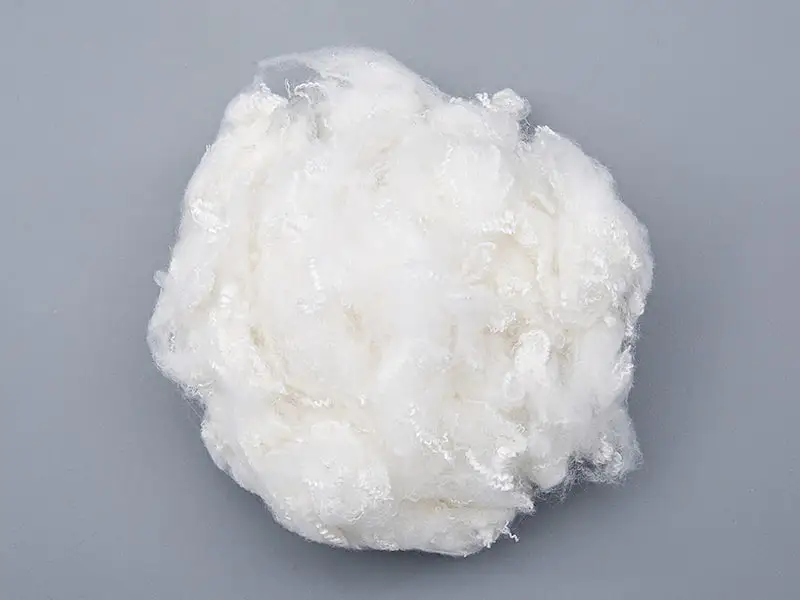
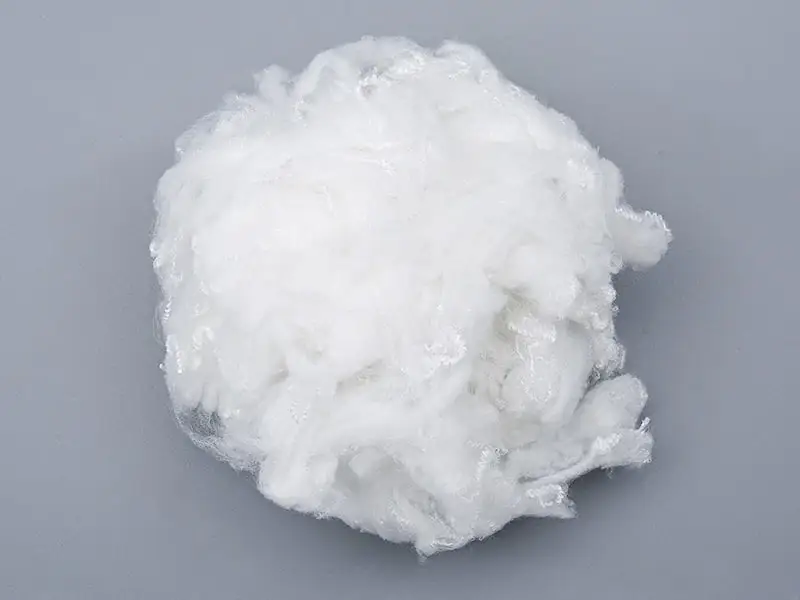
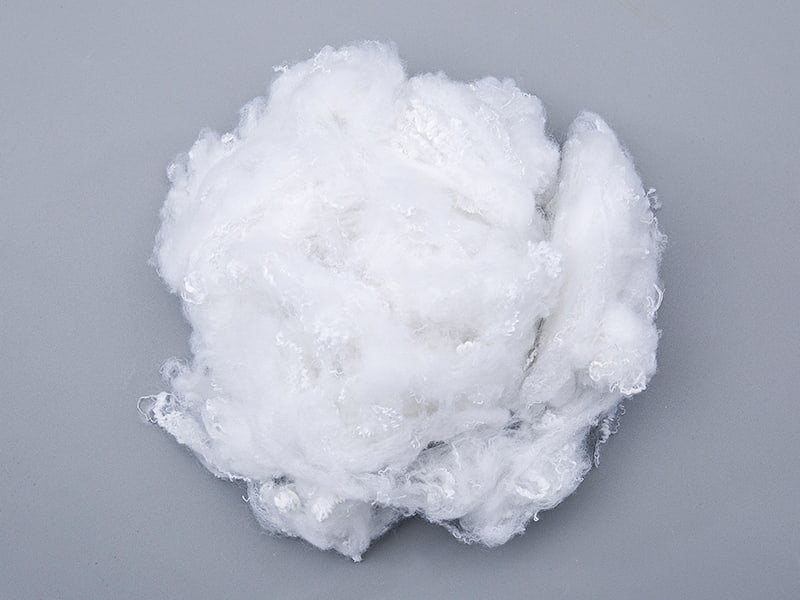
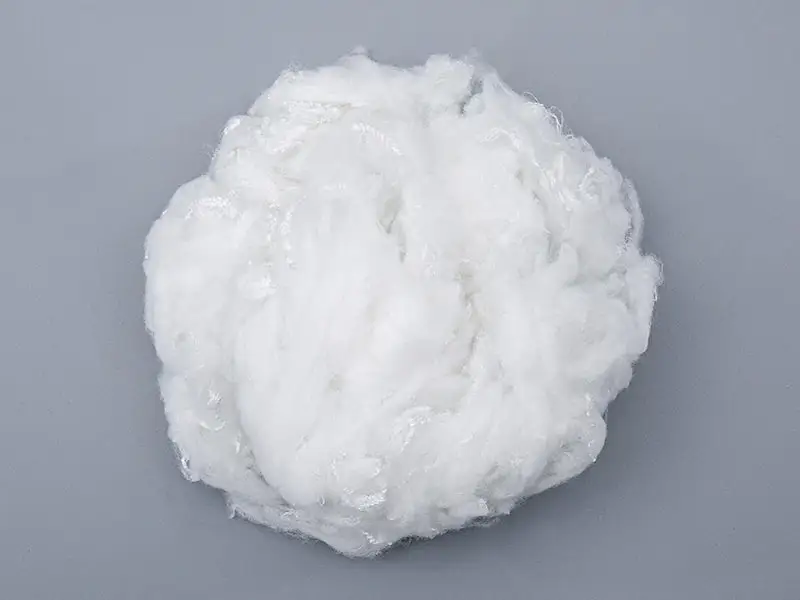
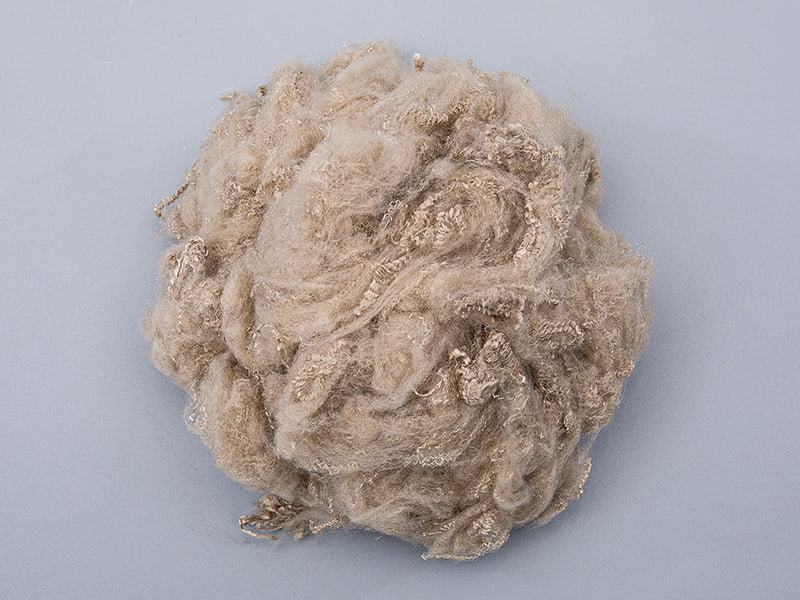
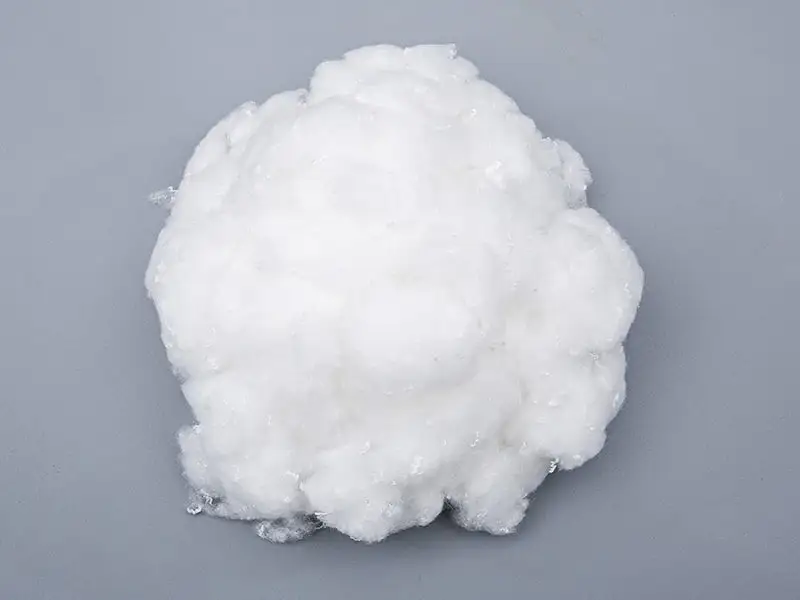
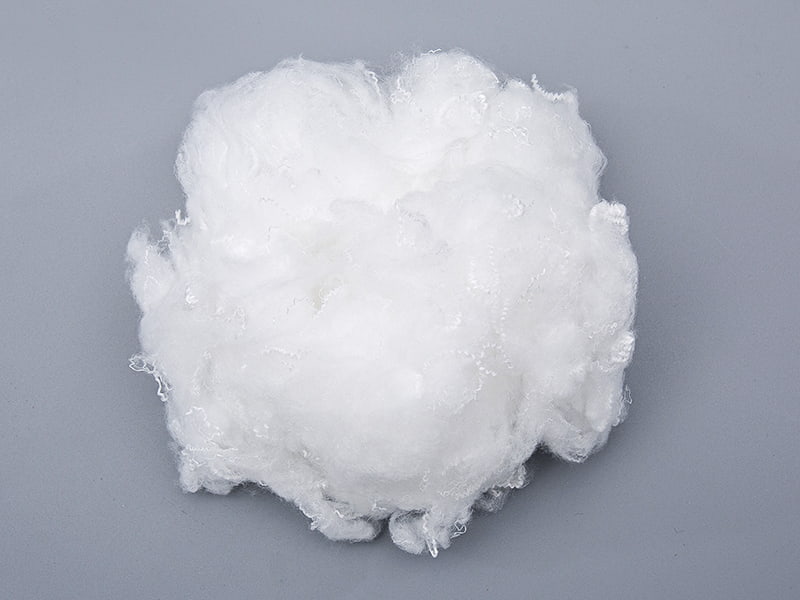
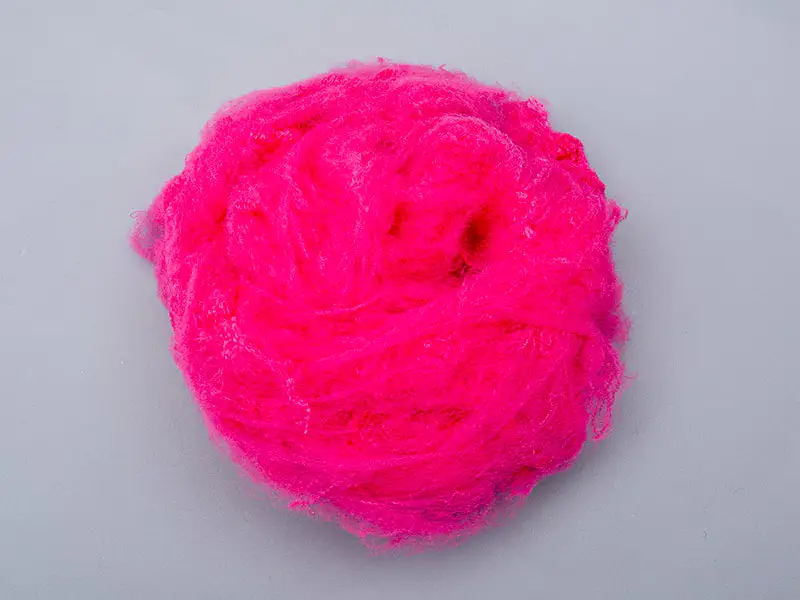
Cationic fiber is a specially modified synthetic fiber designed to improve dye absorption, color performance, softness, and fabric appearance. This innovative textile material is essential in apparel manufacturing, sportswear production, home textiles, decorative fabrics, and functional textile applications. Textile manufacturers, fabric suppliers, garment producers, and distributors choose cationic fiber for its excellent dyeing performance, bright and stable colors, soft hand feel, good compatibility with blended fibers, and enhanced fabric appearance. Fiber selection directly affects fabric quality, color consistency, production efficiency, product differentiation, and market competitiveness.
What Is Cationic Fiber?
Cationic fiber is a chemically modified synthetic fiber with enhanced affinity for cationic dyes, commonly used to achieve vivid colors and special dyeing effects. Understanding the structure and components helps buyers evaluate quality and performance.
Structural Components and Their Functions
Every cationic fiber consists of five essential components working together to deliver exceptional performance:
- Modified polyester polymer: The base material that has been chemically altered to improve dye absorption and color bonding capabilities.
- Cationic dyeable segments: Special molecular structures that attract and bond with cationic dyes, creating deep and vibrant colors.
- Synthetic fiber structure: Determines the fiber's strength, durability, and dimensional stability during processing and end-use.
- Surface treatment layer: Enhances fabric performance, softness, and processing compatibility.
- Blended fiber components: Allows combination with other fibers for enhanced appearance and functionality.
How Cationic Fiber Works
The dyeing mechanism is based on modified fiber molecules that attract cationic dyes. This results in improved dye absorption that creates brighter, deeper colors. The lower dyeing temperature requirements improve production efficiency and reduce energy consumption. Key performance features include high color fastness, enhanced color depth, two-tone dyeing capability, and smooth fabric appearance. This combination makes cationic fiber ideal for premium textile applications requiring exceptional color quality.
1 Polymer modification
2 Fiber spinning & formation
3 Dyeing & finishing
4 Quality testing & inspection
Types of Cationic Fiber
Cationic fiber is available in various configurations to suit different applications, design requirements, and performance needs.
| Fiber Type |
Key Features |
Best Applications |
Fabric Compatibility |
| Cationic Polyester |
Strong color absorption, good durability, easy processing |
Apparel, sportswear, home textiles |
Knits & wovens |
| Cationic DTY |
Textured structure, soft touch, bulkiness |
Knitted fabrics, casual clothing, decorative |
Knits |
| Cationic FDY |
Smooth surface, high strength, uniform appearance |
Woven fabrics, fashion textiles |
Wovens |
| Cationic Stretch |
Elastic performance, flexibility, comfort |
Sportswear, stretch garments, functional clothing |
Knits & wovens |
| Cationic Blended |
Combination with other fibers, enhanced appearance |
Premium apparel, functional textiles |
All fabric types |
| Custom Solutions |
Fineness, color, blending ratio, yarn type |
Textile manufacturers, apparel brands |
Tailored specifications |
Select the right fiber type based on your application requirements. Cationic polyester for standard applications; DTY for soft knits; FDY for smooth wovens; stretch for activewear; blended for enhanced performance; custom for brand-specific requirements.
Manufacturing Process and Quality Standards
Cationic fiber undergoes a precision manufacturing process that ensures quality, consistency, and performance. Understanding this process helps buyers evaluate supplier capabilities and product value.
Polymer Modification and Raw Material Preparation
The production process begins with polyester polymer modification, adding cationic dyeable components to the polymer chain. Material mixing ensures uniform distribution of modified segments. Quality testing verifies polymer stability, dye absorption capability, and fiber performance before proceeding to the next stage.
Fiber Spinning and Formation Process
Manufacturing methods include melt spinning (for standard fibers), extrusion (for specialized shapes), drawing process (for strength development), and heat setting (for dimensional stability). These processes affect fiber strength, softness, dyeing performance, and dimensional stability — allowing manufacturers to tailor properties for specific applications.
Dyeing and Finishing Process
Finishing processes include cationic dyeing (for color development), color fixing (for durability), softening treatment (for improved hand feel), anti-static finishing (for comfort), and functional coating (for specialty applications). These processes improve color quality, enhance fabric performance, and deliver superior appearance.
Quality Testing and Performance Inspection
Cationic fiber undergoes comprehensive testing: color fastness testing (wash, light, and rubbing), tensile strength testing (fiber integrity), fiber uniformity testing (consistency), shrinkage testing (dimensional stability), and dye absorption testing (performance verification). Quality requirements include stable color performance, consistent fiber quality, and reliable production standards.
Key Advantages of Cationic Fiber
The value proposition of cationic fiber extends beyond basic textile performance — delivering measurable benefits that justify investment for manufacturers, designers, and commercial buyers.
Color Absorption
Strong affinity with cationic dyes creates deep, vibrant, and uniform colors — enabling premium fabric appearance and expanded design possibilities for fashion and decorative applications.
Two-Tone Effects
Different dye absorption characteristics enable contrast color effects, melange appearances, and textured designs — ideal for fashion fabrics, decorative textiles, and premium apparel.
Soft Hand Feel
Smooth surface and improved fabric softness deliver comfortable touch — making cationic fiber ideal for clothing, home textiles, and consumer products requiring premium feel.
Durability & Processing
Polyester-based strength, wrinkle resistance, dimensional stability, and processing compatibility reduce production difficulties and extend product lifespan.
Primary Applications Across Industries
The versatility of cationic fiber makes it suitable for a broad spectrum of applications, each with specific performance requirements.
- Apparel and fashion textile manufacturing: Jackets, shirts, dresses, and casual clothing requiring color quality, softness, and premium appearance.
- Sportswear and functional clothing: Sports garments, outdoor clothing, and performance wear requiring durability, comfort, and moisture management.
- Home textile and interior applications: Curtains, upholstery fabrics, and decorative textiles requiring color stability, appearance, and durability.
- Industrial and commercial textile applications: Workwear fabrics, commercial textiles, and technical fabric products requiring consistent supply, functional performance, and customization capability.
Cationic Fiber vs Other Fiber Materials
Making an informed decision requires understanding how cationic fiber compares to alternative textile materials.
Cationic vs Regular Polyester
Cationic fiber offers superior dyeing performance, deeper colors, and better fabric feel. Regular polyester requires higher dyeing temperatures and produces less vibrant colors. Cationic fiber commands higher value for premium textile applications requiring exceptional color quality.
Cationic vs Nylon
Nylon offers higher strength and better abrasion resistance. Cationic polyester provides superior color performance, better dimensional stability, and lower cost. The choice depends on strength requirements versus color and appearance priorities.
Cationic vs Recycled Polyester
Recycled polyester offers sustainability benefits. Cationic fiber provides superior color performance and dyeing characteristics. Combining both technologies enables sustainable textile solutions with enhanced color capabilities.
How to Choose the Right Cationic Fiber
Selecting the optimal cationic fiber involves evaluating both the product and the manufacturer.
Key Manufacturer Evaluation Factors
For B2B buyers, supplier selection is as important as product selection. Assess potential manufacturers on: manufacturing experience (proven track record), fiber technology (technical capability), production capacity (volume and lead time), quality control (testing and certification), customization capability (design flexibility), and supply reliability (consistency and delivery).
Critical Technical Specifications
When comparing products, examine these key parameters: fiber composition (modified polyester content), fiber fineness (denier or dtex), yarn type (DTY, FDY, or specialty), strength (tensile performance), elongation (elastic property), dyeing performance (color absorption), color fastness (wash, light, rubbing ratings), and shrinkage rate (dimensional stability). Specification tables from reputable manufacturers provide essential data for informed decision-making.
Maintenance and Care Guide
Proper care of cationic fiber fabrics extends service life and maintains appearance. For general use, machine wash cold or warm (30-40°C) with mild detergent. Avoid bleach and harsh chemicals that can damage the fiber structure. Air dry or tumble dry low — high heat can affect fiber properties. Store in cool, dry conditions away from direct sunlight to prevent fading and maintain color brightness. With proper care, cationic fiber fabrics provide excellent service life in apparel and textile applications.
Washing
- Machine wash cold/warm (30-40°C)
- Mild detergent, gentle cycle
- Avoid bleach and harsh chemicals
Drying
- Air dry or tumble dry low
- Avoid high heat (affects fiber properties)
- Remove promptly to prevent wrinkles
Storage
- Cool, dry conditions
- Avoid direct sunlight (prevents fading)
- Store flat or folded properly
Common Issues and Solutions
- Color fading: Usually caused by UV exposure or harsh washing conditions — wash inside out and dry away from direct sunlight. Use color-protecting detergents for optimal color retention.
- Pilling: Results from friction and abrasion — select higher quality fibers with better surface properties. Use gentle washing cycles and avoid abrasive materials.
- Static electricity: Common with synthetic fibers — use fabric softener or anti-static spray. Consider anti-static finishing for commercial applications.
- Fabric deformation: Occurs from improper stretching or heat exposure — reshape while damp and follow care instructions carefully.
Future Trends
The cationic fiber industry continues to evolve with technological advances and changing market demands.
Sustainable Fiber Development
Recycled cationic polyester fibers are emerging as a sustainable alternative. Eco-friendly dyeing technology reduces water and chemical consumption. Manufacturers are developing bio-based and recycled content options to meet environmental requirements.
Functional Fiber Modification
Advanced finishing technologies add functionality such as moisture management, UV protection, anti-bacterial properties, and temperature regulation — expanding application possibilities for cationic fiber.
Smart and Customized Solutions
Customized fiber solutions enable rapid design iteration and personalized textile products. Digital textile printing, custom color matching, and on-demand production support fashion innovation and reduce inventory waste.
What is the difference between cationic fiber and regular polyester?
Cationic fiber is chemically modified to improve dye absorption, enabling brighter colors and lower dyeing temperatures. Regular polyester requires higher temperatures and produces less vibrant colors. Cationic fiber also offers better color fastness and two-tone dyeing capabilities.
What fabrics can be made from cationic fiber?
Cationic fiber is used in both knitted and woven fabrics for apparel, sportswear, home textiles, and decorative applications. It blends well with other fibers including spandex, regular polyester, and natural fibers for enhanced performance and appearance.
Is cationic fiber environmentally friendly?
Cationic fiber offers environmental benefits through lower dyeing temperatures (reducing energy consumption) and improved dye absorption (reducing dye waste). Recycled cationic fiber options are increasingly available for sustainable textile applications.
How does cationic fiber affect fabric cost?
Cationic fiber generally costs more than regular polyester due to the modification process and enhanced performance. However, the improved color quality, dyeing efficiency, and product differentiation often justify the investment for premium textile applications.
What is the typical fineness of cationic fiber?
Cationic fiber is available in various fineness options, typically ranging from 50-300 denier (55-330 dtex). Fineness selection depends on the application — finer fibers for lightweight fabrics and fashion applications; coarser fibers for durability and functional textiles.


 English
 中文简体
中文简体 Español