

 English
 中文简体
中文简体 Español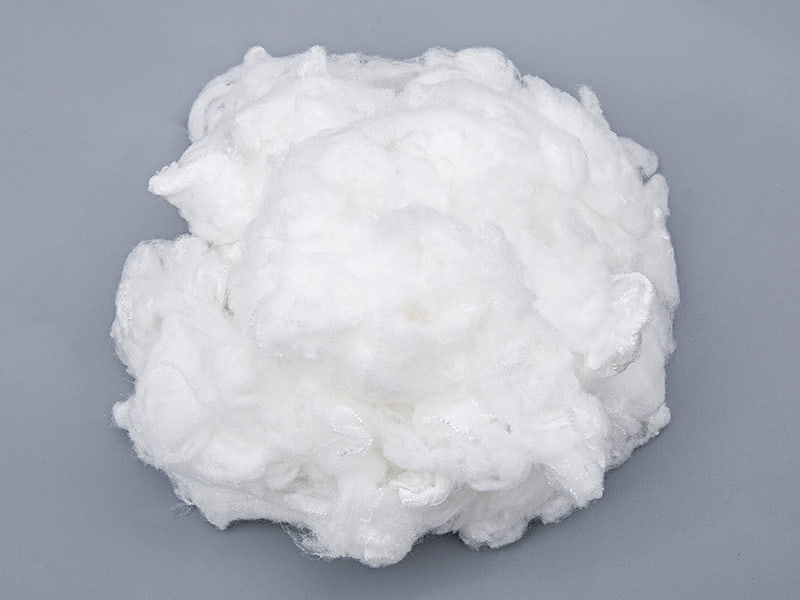
2.5D EM-RC01 Cationic Fiber
LEARN MORE
During the production process, we significantly enhanced the performance of modified fibers in terms of moisture absorption, dyeing efficiency, anti-static properties, and flame retardancy, ensuring that the products can meet diverse market demands. By means of physical modification, such as manufacturing irregular fibers, we endow the fibers with unique cross-sectional shapes, thereby enhancing their optical performance and physical properties, adding unique charm to end products. We have developed a series of highly targeted modified fibers, such as easy to dye fibers and high-efficiency water absorbing fibers, which are designed specifically for specific application scenarios and demonstrate extremely high practical value. In the field of textiles, our modified fibers have become the preferred material for clothing, bedding, curtains and other products, significantly improving the performance and comfort of the products. We continuously expand the application boundaries of modified fibers and successfully introduce them into multiple industries such as healthcare, construction, electronics, and environmental protection. Especially, the innovative application of modified fiber balls in the cleaning field demonstrates their wide adaptability and performance in multiple fields. As an important component of our product line, high viscosity modified cellulose has continuously expanded its market size in recent years and demonstrated strong growth potential. As a key participant in the global market, China's importance is self-evident, and other countries in the Asia Pacific region such as Japan and South Korea are also our key markets of concern. High viscosity modified cellulose is playing an indispensable role in various fields such as construction, petrochemicals, food, and daily chemical products.

Modified fibers refer to chemical fibers that have been physically, chemically, or structurally altered to achieve specific performance characteristics. Unlike traditional fibers that primarily focus on strength and appearance, modified fibers are designed to enhance comfort, functionality, and adaptability.
Common modification approaches include:
These innovations allow fibers to better regulate moisture, improve airflow, and enhance the overall user experience.
Moisture management is one of the important factors affecting textile comfort. During daily activities, the human body continuously releases heat and moisture. If fabrics cannot efficiently transport this moisture away from the skin, discomfort quickly develops.
Poor moisture control may result in:
Modified fibers help solve these issues by actively transporting moisture away from the skin and promoting rapid evaporation.
The moisture management performance of modified fibers is largely determined by their internal structure and surface characteristics.
Many modified fibers feature specially engineered cross-sectional shapes that create micro-channels along the fiber surface.
These channels:
Compared with conventional round fibers, modified fibers can significantly improve moisture movement throughout the fabric structure.
| Fiber Structure | Moisture Transport Efficiency | Comfort Performance |
|---|---|---|
| Conventional Round Fiber | Moderate | Standard |
| Multi-Channel Modified Fiber | High | Excellent |
| Hollow Modified Fiber | Very High | Superior |
| Porous Functional Fiber | Very High | Superior |
Modified cross-sections often provide greater surface area than traditional fibers.
Benefits include:
This feature is particularly valuable in sportswear, workwear, and performance textiles.
Advanced fiber modification can adjust the affinity between fibers and water.
Manufacturers may introduce:
These improvements enable fibers to absorb and release moisture more efficiently without compromising durability.
Moisture management and breathability work together to create comfort.
Even when moisture is effectively transported, trapped heat can still reduce wearer satisfaction. Modified fibers address this challenge through structural innovations that increase air circulation.
Modified fibers may incorporate:
These features create additional air pathways within textile constructions.
As a result:
Modern modified fibers offer multiple performance benefits beyond moisture management.
| Function | Benefit | Typical Applications |
|---|---|---|
| Moisture Wicking | Faster sweat transfer | Sportswear, outdoor clothing |
| Breathability | Improved air circulation | Casual wear, bedding |
| Antibacterial Performance | Reduced microbial growth | Medical textiles, activewear |
| UV Resistance | Protection from ultraviolet exposure | Outdoor textiles |
| Anti-Static Property | Reduced static electricity | Industrial fabrics |
| Flame Retardancy | Enhanced safety performance | Protective textiles |
| Thermal Regulation | Balanced temperature control | Apparel and home textiles |
These multifunctional characteristics make modified fibers highly attractive across diverse industries.
Sustainability has become a major driver of innovation within the textile sector. As environmental awareness increases, manufacturers are developing modified fibers that combine high performance with resource efficiency.
Recycled polyester fibers have emerged as a particularly important solution because they help reduce dependence on virgin raw materials while maintaining textile performance.
Through advanced modification technologies, recycled fibers can achieve:
This combination of sustainability and functionality supports the growing demand for environmentally responsible textile solutions.
Continuous technological development is accelerating the evolution of modified fibers.
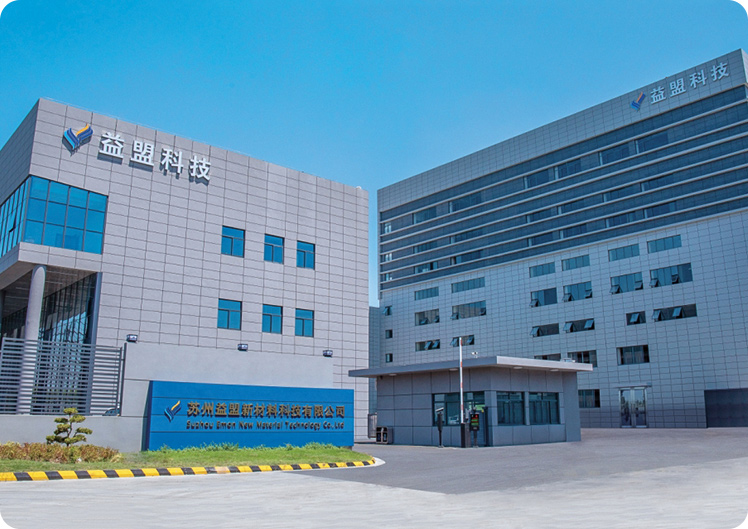
As a modern large-scale chemical fiber manufacturing enterprise, Suzhou Emon New Material Technology Co., Ltd. focuses on the research, development, and production of advanced recycled polyester fiber products. The company leverages strong technical capabilities and extensive industry experience to develop fibers suitable for vortex spinning, ring spinning, air spinning, filling materials, and nonwoven applications.
The company’s R&D efforts focus on several key areas:
Advanced spinning technologies are continuously refined to improve production efficiency and fiber quality, including:
Research is directed toward developing modified fibers with enhanced performance features such as:
In recent years, significant investment in advanced manufacturing equipment has enabled the production of various regenerative functional fibers. Building upon differential fiber technology, the company can produce a broad range of modified fiber products that meet evolving market demands.
A stable supply of renewable raw materials supports sustainable production. By utilizing resources from surrounding textile mills, chemical fiber facilities, and recycled bottle flakes, efficient production of recycled polyester fibers can be achieved while maintaining product consistency.
The versatility of modified fibers allows them to be used across multiple sectors.
| Industry | Application |
|---|---|
| Apparel | Sportswear, casual wear, functional clothing |
| Home Textiles | Bedding, upholstery, cushions |
| Nonwoven Fabrics | Hygiene products, filtration materials |
| Industrial Textiles | Protective fabrics, technical textiles |
| Filling Materials | Pillows, quilts, insulation products |
| Medical Textiles | Comfort-oriented healthcare materials |
Their ability to combine comfort, functionality, and sustainability continues to expand their market relevance.
Modified fibers play a critical role in improving moisture management and overall comfort in modern textiles. Through specialized structures, enhanced capillary action, increased breathability, and advanced functional modifications, these fibers help create fabrics that remain dry, comfortable, and efficient in a wide range of environments.
1. What are modified fibers?
Modified fibers are chemical fibers that have been engineered through structural, physical, or chemical modifications to enhance specific properties such as moisture management, breathability, durability, and functionality.
2. How do modified fibers improve moisture management?
They use specialized structures, micro-channels, and surface modifications to transport moisture away from the skin and accelerate evaporation.
3. Are modified fibers suitable for sportswear?
Yes. Their moisture-wicking, breathability, and comfort characteristics make them widely used in sportswear and performance apparel.
4. Can recycled polyester fibers provide the same comfort as virgin fibers?
With advanced modification technologies, recycled polyester fibers can achieve comparable spinnability, dyeability, moisture management, and comfort performance.
5. What functional properties can modified fibers offer?
Depending on the modification method, they can provide antibacterial, anti-static, UV-resistant, flame-retardant, thermal-regulating, and moisture-management capabilities.
Emon Technology is willing to sincerely join hands with you, cooperate for win-win results, and create brilliance together!
Tel: +86-512-63679088
Email: [email protected]
[email protected]
[email protected]
[email protected]
[email protected]
Add:South of 318 National Highway, Miaotou Village, Meiyan, Wujiang, Jiangsu
Copyright © Suzhou Emon New Material Technology Co., Ltd. All rights reserved.
