English
 中文简体
中文简体 Español
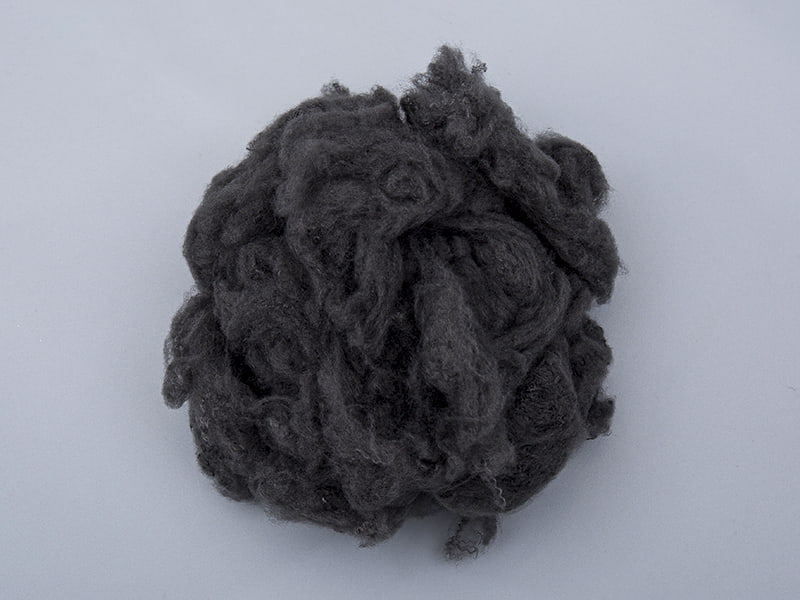
1.4D EM-FR01 Flame Retardant Fiber
LEARN MORE
Functional fibers are an innovative type of fiber that not only retains the basic physical and mechanical properties of traditional fibers, but also significantly endows them with various unique functions or application advantages. These functional fibers can be subdivided into three categories:
The first type, namely differentiated fibers, is achieved by improving the manufacturing process or structure of conventional synthetic fibers to overcome their original limitations and achieve performance differentiation and improvement. This type of fiber has been optimized for specific needs while maintaining its original fiber advantages.
The second type, functional fibers, is developed for specific properties that natural fibers and chemical fibers do not originally possess. Through advanced chemical treatment and physical modification techniques, these fibers have been endowed with a series of additional functions such as heat storage and insulation, conductive conductivity, efficient water absorption and moisture absorption, antibacterial and odor prevention, aromatic release, flame retardant safety, UV protection, etc., greatly expanding the application fields of fibers.
The third type, high-performance fibers, are known for their outstanding special properties. They exhibit characteristics such as high strength, high modulus, excellent high-temperature resistance, strong resistance to chemicals, and excellent weather resistance, which make high-performance fibers show extraordinary value and potential in extreme environments or high demand application scenarios.

Functional chemical fibers are man-made fibers engineered to provide specific performance characteristics beyond the basic requirements of traditional textile materials. While conventional fibers primarily focus on strength, softness, and appearance, functional chemical fibers are designed to deliver additional benefits such as antibacterial protection, UV resistance, flame retardancy, anti-static performance, moisture management, thermal insulation, and enhanced durability.
These fibers are developed through advanced polymer modification, spinning technology, surface treatment, or nanotechnology integration. As consumer expectations and industrial requirements continue to rise, functional fibers have become increasingly important across apparel, home textiles, medical products, automotive applications, industrial fabrics, and nonwoven materials.
The growing demand for comfort, safety, sustainability, and performance has accelerated the adoption of functional chemical fibers worldwide.
Several market trends are driving the increasing popularity of functional chemical fibers.
Modern consumers expect textiles to do more than simply provide coverage. Sportswear, workwear, outdoor clothing, bedding products, and technical textiles increasingly require additional functionality.
For example:
Functional chemical fibers help manufacturers meet these evolving demands while maintaining comfort and durability.
Sustainability has become a major consideration throughout the textile supply chain. Recycled and environmentally responsible fiber solutions are increasingly preferred by manufacturers and consumers.
Many functional fibers are now produced using recycled raw materials while maintaining high performance standards. This combination of functionality and environmental responsibility makes them highly attractive for modern textile production.
Continuous improvements in polymer science, spinning processes, and material engineering have enabled the production of multifunctional fibers with more stable and durable performance.
Instead of relying solely on post-finishing treatments, many modern functional properties can now be integrated directly into the fiber structure, improving long-term effectiveness and product reliability.
The market offers a wide range of functional chemical fibers designed for different applications.
| Functional Type | Primary Function | Common Applications |
|---|---|---|
| Antibacterial Fiber | Inhibits microbial growth | Apparel, medical textiles, bedding |
| UV-Resistant Fiber | Blocks harmful ultraviolet rays | Outdoor clothing, sportswear |
| Flame-Retardant Fiber | Improves fire resistance | Protective clothing, industrial fabrics |
| Anti-Static Fiber | Reduces static electricity accumulation | Electronics, workwear, industrial textiles |
| Moisture-Wicking Fiber | Enhances sweat absorption and evaporation | Sportswear, activewear |
| Thermal Insulation Fiber | Improves heat retention | Winter clothing, quilts, filling materials |
| Recycled Functional Fiber | Combines sustainability with performance | Apparel, nonwoven fabrics, home textiles |
These fibers can also be combined to create multifunctional textile products capable of meeting multiple performance requirements simultaneously.
| Feature | Conventional Fibers | Functional Chemical Fibers |
|---|---|---|
| Basic Strength | Good | Excellent |
| Comfort | Standard | Enhanced |
| Moisture Management | Limited | Advanced |
| Antibacterial Capability | Usually None | Available |
| UV Protection | Limited | Enhanced |
| Flame Resistance | Limited | Available |
| Static Control | Limited | Enhanced |
| Durability | Standard | Improved |
| Sustainability Options | Limited | Widely Available |
| Technical Applications | Restricted | Extensive |
The ability to combine multiple performance characteristics within a single fiber structure is one of the major advantages driving industry adoption.
One of the significant developments in recent years has been the growth of recycled functional fibers. These materials help reduce resource consumption while maintaining the performance characteristics required by modern textile applications.
Recycled polyester fibers have become particularly important due to their versatility, processability, and compatibility with various functional modifications. Through advanced manufacturing technologies, recycled fibers can achieve performance levels comparable to conventional virgin materials in terms of spinnability, dyeability, and end-product quality.
This trend supports the textile industry’s transition toward more sustainable production models without compromising product performance.
The production of functional chemical fibers requires sophisticated technologies and continuous innovation. Modern manufacturers invest heavily in research and development to improve fiber performance and manufacturing efficiency.
Research centers play a critical role in developing new functional fiber solutions. Key research areas include:
These innovations allow manufacturers to create fibers with more stable functionality and broader application potential.
Modern production facilities utilize highly automated equipment and advanced fiber-forming processes. Continuous investment in production lines enables the manufacturing of various regenerated functional fibers while maintaining product consistency and quality.
Advanced processing technologies also improve production efficiency, helping manufacturers meet growing market demand for high-performance textile materials.
Sustainable manufacturing increasingly depends on the effective utilization of renewable resources. By incorporating recycled textile materials, recycled bottle flakes, and other renewable inputs into production systems, manufacturers can produce high-quality recycled polyester fibers while reducing environmental impact.
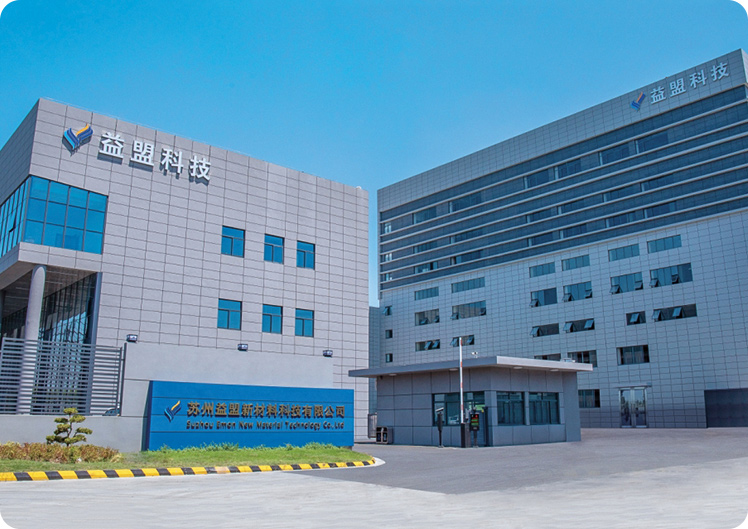
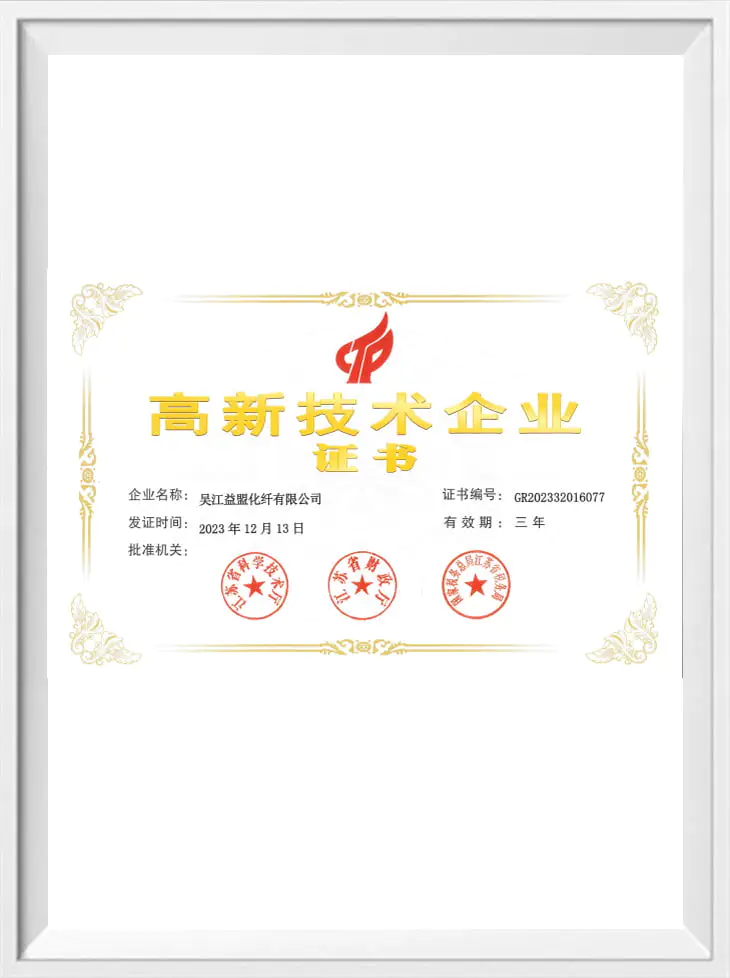
Suzhou Emon New Material Technology Co., Ltd. is a modern large-scale chemical fiber manufacturing enterprise recognized for its advanced technology, strong manufacturing capabilities, and commitment to innovation.
The company mainly produces a variety of recycled polyester fiber products that are widely used in:
Through cooperation with surrounding textile factories, chemical fiber manufacturers, and renewable resource suppliers, the company maintains a stable supply of recyclable raw materials for the production of recycled polyester fibers.
The company’s R&D efforts focus on improving spinning technologies and developing functional fiber products with enhanced performance characteristics, including:
Through continuous investment in advanced production equipment and fiber production lines, the company has expanded its ability to manufacture a wide range of regenerated functional fibers that meet diverse industry requirements.
By efficiently utilizing renewable resources such as recycled bottle flakes and recyclable textile materials, the company supports environmentally responsible fiber production while maintaining product quality and performance consistency.
Functional chemical fibers have evolved from specialty materials into essential components of modern textile manufacturing. Their ability to provide enhanced comfort, safety, durability, and sustainability makes them increasingly valuable across a wide range of applications.
Driven by technological innovation, environmental awareness, and rising performance expectations, functional chemical fibers are becoming a key force shaping the future of the textile industry.
1. What are functional chemical fibers?
Functional chemical fibers are man-made fibers designed with additional performance features such as antibacterial protection, UV resistance, flame retardancy, anti-static properties, moisture management, and thermal insulation.
2. Why are functional chemical fibers becoming more popular?
Their popularity is increasing because consumers and industries require textiles that offer greater comfort, protection, durability, and sustainability while maintaining high performance.
3. What industries commonly use functional chemical fibers?
They are widely used in apparel, sportswear, home textiles, medical products, industrial fabrics, automotive materials, filling products, and nonwoven fabrics.
4. Are recycled functional fibers as effective as conventional fibers?
Modern recycled functional fibers can achieve comparable spinnability, dyeability, durability, and performance characteristics when produced using advanced manufacturing technologies.
5. What functions can be integrated into chemical fibers?
Common functions include antibacterial performance, UV protection, flame resistance, anti-static capability, moisture absorption, breathability enhancement, heat retention, and sustainability benefits.
Emon Technology is willing to sincerely join hands with you, cooperate for win-win results, and create brilliance together!
Tel: +86-512-63679088
Email: [email protected]
[email protected]
[email protected]
[email protected]
[email protected]
Add:South of 318 National Highway, Miaotou Village, Meiyan, Wujiang, Jiangsu
Copyright © Suzhou Emon New Material Technology Co., Ltd. All rights reserved.