English
 中文简体
中文简体 Español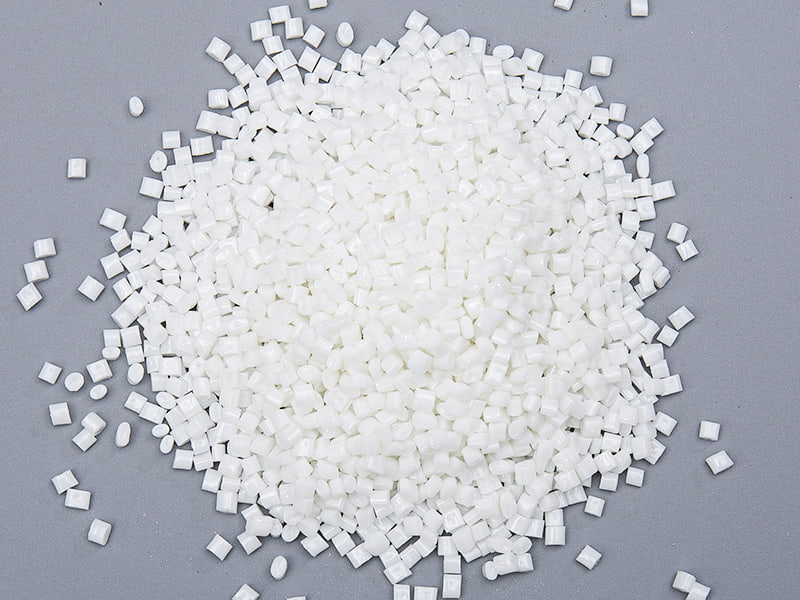
Sliced Raw Materials
LEARN MORE
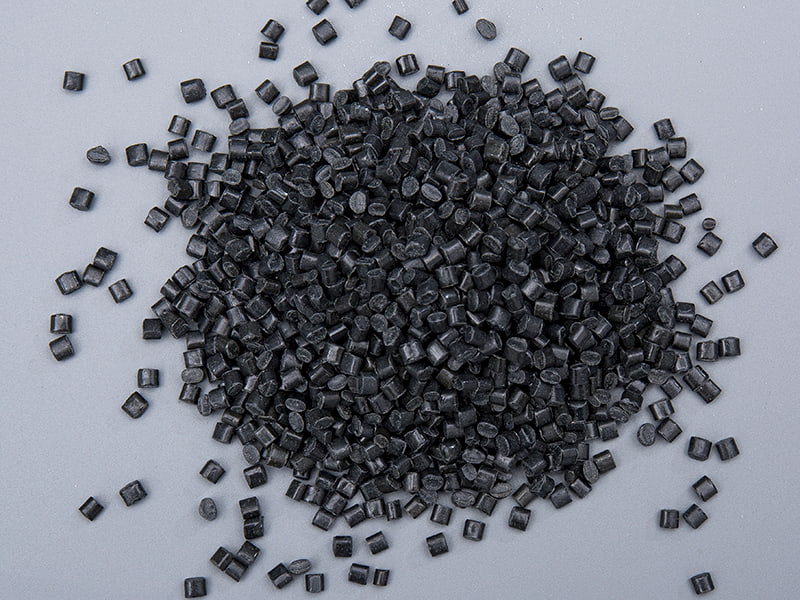
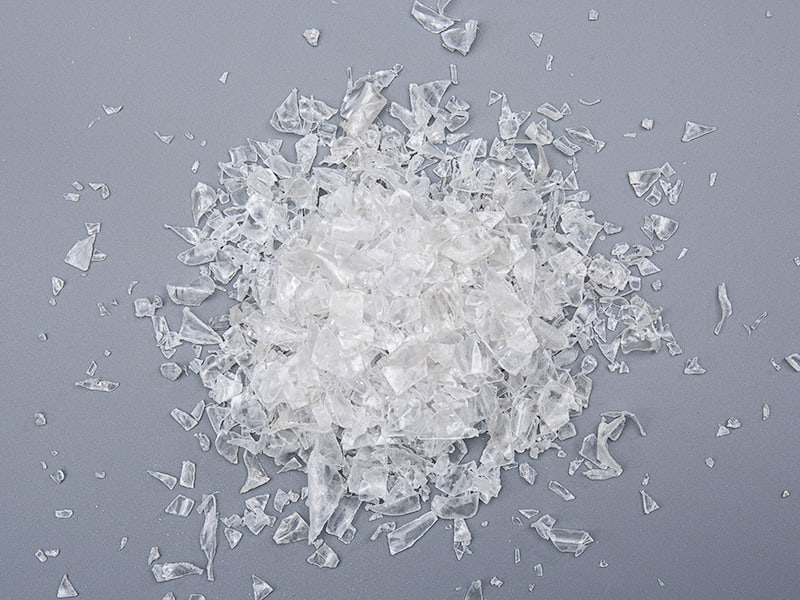
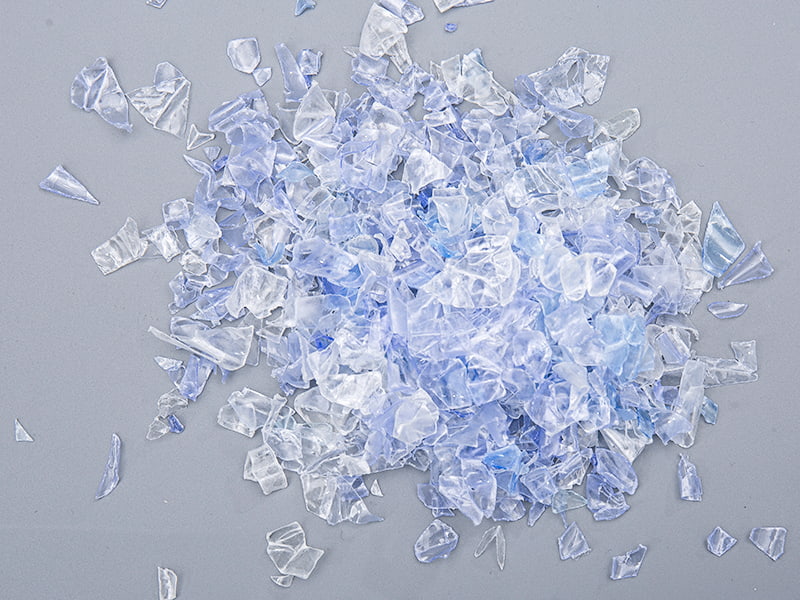
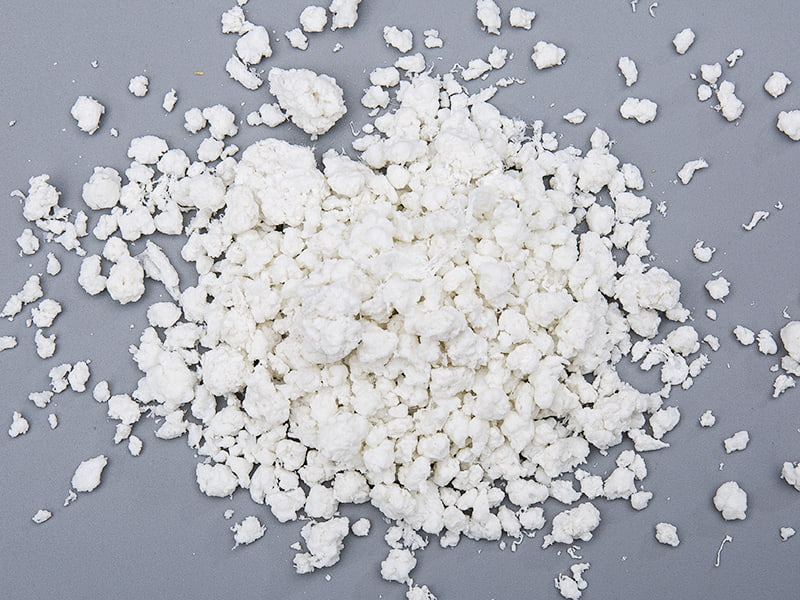
As a producer in the field of recycled and environmentally friendly raw materials, we focus on the recycling of polyester (PET) and are committed to converting waste polyester materials into high-value recycled PET products, such as polyester bottle sheets and polyester chips, as well as advanced recycled PET foam. Polyester bottle flakes are plastic bottle flakes made from polyester as raw material, commonly used for packaging in industries such as food, beverage, cosmetics, and pharmaceuticals. Polyester bottle flakes have advantages such as lightweight and recyclability, and are widely used in the modern packaging industry. In the production process of polyester chips, we precisely control the particle size and purity of the raw materials to ensure that each chip meets the industry standards. It is widely used in various fields such as fiber manufacturing, container forming, packaging materials, films, and engineering plastics. We have adopted advanced sorting, cleaning, drying, and thermoforming technologies for recycled PET foam, overcoming the challenge of strong water absorption of PET materials and achieving efficient conversion of low value waste such as waste silk and textiles. This innovative process not only improves resource utilization, but also significantly reduces energy consumption and carbon emissions in the production process. The processed recycled PET foam, with its physical properties and environmental characteristics, has shown broad application prospects in fields such as building insulation, transportation, and wind power generation.

The growing demand for recycled eco-friendly materials, sustainable polymer solutions, and energy-efficient industrial inputs has accelerated innovation in polyester recycling systems. Among these developments, recycled PET foam stands out as a high-value material derived from waste polyester. It combines environmental benefits with strong structural performance, making it suitable for insulation, cushioning, and lightweight engineering applications.
This transformation process is not a simple reuse of waste; it is a controlled multi-stage engineering system involving purification, polymer restructuring, foaming technology, and performance modification. The goal is to convert post-consumer or post-industrial polyester waste into a stable, functional, and high-performance foam structure.
The process begins with the collection of waste polyester materials such as used bottles, textile scraps, and industrial polyester residues. These materials are sorted, cleaned, and shredded into flakes.
Pre-treatment is essential to ensure:
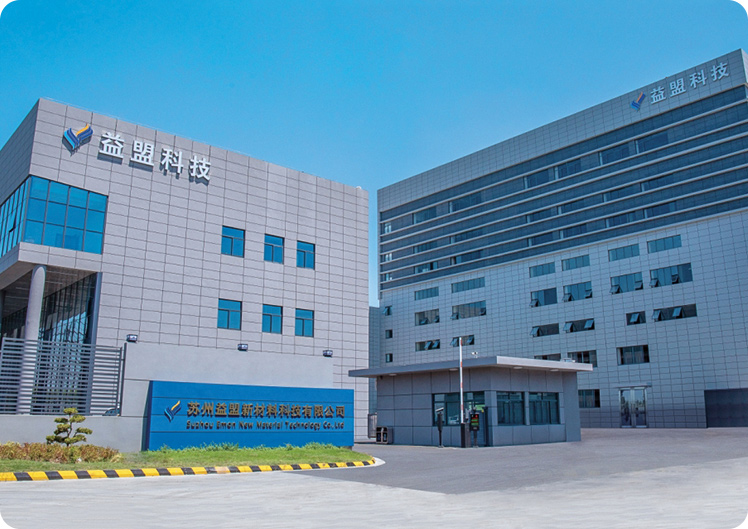
At this stage, Suzhou Emon New Material Technology Co., Ltd. leverages advanced recycling channels and raw material procurement networks—established around local textile factories and bottle recycling supply systems—to ensure a stable inflow of recyclable polyester resources.
Waste polyester cannot directly form high-performance foam without molecular restructuring. It undergoes controlled depolymerization or melt purification, where impurities are removed and polymer chains are optimized.
Key objectives include:
This stage determines whether the final material can meet industrial standards for recycled PET foam applications in insulation and structural components.
After purification, the material is re-polymerized into PET resin pellets. These pellets serve as the base raw material for foam production.
During this stage, performance modifiers may be introduced to enhance:
The use of advanced chemical fiber manufacturing systems, such as those developed by Suzhou Emon New Material Technology Co., Ltd., ensures consistency in pellet quality and supports downstream spinning or foaming processes.
The core transformation occurs during the foaming process. PET pellets are heated and combined with physical or chemical foaming agents. Under controlled pressure and temperature, gas expansion forms a cellular structure.
Two primary foam structures are commonly produced:
| Type of PET Foam | Structure Type | Key Properties | Main Applications |
|---|---|---|---|
| Closed-cell PET foam | Dense, sealed cells | High insulation, moisture resistance, strong durability | Building insulation, packaging protection |
| Open-cell PET foam | Interconnected pores | Lightweight, sound absorption, flexible structure | Acoustic panels, cushioning materials |
| Modified functional PET foam | Hybrid structure | Flame retardant, anti-static, UV resistant | Industrial applications, transport interiors |
This structured transformation enables waste polyester to evolve into a high-performance recycled PET foam material suitable for modern engineering demands.
Modern production systems do not stop at basic foaming. Advanced modification technologies are applied to enhance performance:
Suzhou Emon New Material Technology Co., Ltd. focuses on integrating these functional developments through its R&D center, improving spinning technology, melt processing, and fiber engineering to expand the usability of recycled polyester materials across industries.
Recycled PET foam is widely used due to its balance of sustainability and performance.
| Industry Sector | Application Area | Functional Requirement |
|---|---|---|
| Construction | Wall insulation, roofing layers | Thermal efficiency, fire resistance |
| Automotive | Interior padding, acoustic layers | Lightweight, vibration reduction |
| Packaging | Protective inserts, shock absorption | Impact resistance, durability |
| Textile & Apparel | Filling materials, functional composites | Softness, resilience |
The versatility of this material supports the global shift toward sustainable polymer foam solutions and circular material economies.
The use of recycled eco-friendly materials such as PET foam contributes significantly to reducing waste accumulation and improving resource efficiency. Instead of relying on virgin petrochemical inputs, industries are increasingly adopting closed-loop recycling systems.
Key benefits include:
Q1: What is recycled PET foam made from?
It is primarily made from waste polyester materials such as PET bottles and textile waste, processed through purification, re-polymerization, and foaming.
Q2: Why is PET foam considered an eco-friendly material?
Because it transforms waste polyester into reusable industrial material, reducing landfill waste and supporting circular recycling systems.
Q3: What makes high-performance recycled PET foam different from regular foam?
It offers better durability, thermal insulation, and functional enhancements like flame retardancy and moisture resistance.
Q4: Can recycled PET foam be used in industrial applications?
Yes, it is widely used in construction, automotive interiors, packaging, and textile filling materials.
Q5: What role does advanced technology play in PET foam production?
Advanced polymer processing and foaming technologies ensure consistent structure, improved performance, and enhanced material functionality.
Emon Technology is willing to sincerely join hands with you, cooperate for win-win results, and create brilliance together!
Tel: +86-512-63679088
Email: [email protected]
[email protected]
[email protected]
[email protected]
[email protected]
Add:South of 318 National Highway, Miaotou Village, Meiyan, Wujiang, Jiangsu
Copyright © Suzhou Emon New Material Technology Co., Ltd. All rights reserved.