

 English
 中文简体
中文简体 Español
What Are Functional Textile Fibers?
Functional textile fibers are engineered fibrous materials that deliver a defined performance beyond the basic fu...

The textile sector faces increasing pressure to minimize resource consumption, reduce waste generation, and lower carbon emissions. Traditional fiber production often relies heavily on virgin raw materials, resulting in significant energy use and environmental burdens. In contrast, recycled fibers offer a practical pathway toward a more circular and sustainable textile supply chain. By transforming post-consumer and post-industrial waste into valuable textile materials, recycled fibers contribute to resource conservation while supporting modern manufacturing requirements.
A recycled eco-friendly fiber is a textile fiber produced from recovered materials rather than newly extracted resources. Common feedstocks include recycled plastic bottles, discarded polyester products, textile scraps, and other recyclable materials.
Through advanced processing technologies, these materials are cleaned, sorted, melted, and transformed into high-quality fibers suitable for a wide range of textile applications. Modern recycled fibers can achieve performance characteristics comparable to conventional fibers in terms of strength, spinnability, dyeability, and durability.
Today, recycled fibers are widely used in:
The growing adoption of sustainable textile materials reflects increasing demand for environmentally responsible manufacturing practices.
One of the significant environmental benefits of recycled polyester fiber is its ability to reduce reliance on newly extracted raw materials.
Traditional synthetic fiber production requires petroleum-based resources. By reusing existing materials, manufacturers can:
This approach aligns with global sustainability goals and supports long-term resource security for the textile industry.
Plastic waste and textile waste represent major environmental challenges worldwide. Large volumes of discarded materials often end up in landfills or the natural environment.
Recycled eco-friendly fibers help address this issue by converting waste into usable textile products.
| Waste Source | Recycling Outcome | Environmental Benefit |
|---|---|---|
| Recycled PET bottles | Recycled polyester fiber | Reduced plastic pollution |
| Textile production scraps | Reprocessed fiber materials | Lower manufacturing waste |
| Post-consumer textiles | Secondary fiber resources | Extended material lifecycle |
| Industrial fiber waste | Reusable raw material | Reduced landfill burden |
By creating value from waste streams, recycling contributes to a more sustainable and efficient production model.
Producing recycled fibers generally requires fewer processing steps than creating fibers from virgin raw materials.
Although production methods vary, recycled fiber manufacturing can often achieve:
Energy efficiency remains an important factor for textile manufacturers seeking to reduce operational and environmental costs simultaneously.
Environmental sustainability increasingly involves carbon management throughout the supply chain.
The use of recycled polyester fiber can contribute to lower greenhouse gas emissions by:
Environmental responsibility alone is not sufficient for widespread industrial adoption. Recycled fibers must also meet demanding performance requirements.
Modern processing technologies enable recycled fibers to offer textile properties.
| Property | Recycled Eco-Friendly Fiber | Application Benefit |
|---|---|---|
| Spinnability | Excellent | Suitable for multiple spinning systems |
| Dyeability | Consistent | High-quality fabric coloration |
| Durability | Strong | Long service life |
| Softness | Adjustable | Enhanced comfort |
| Processability | Stable | Efficient manufacturing |
| Versatility | High | Multiple end-use applications |
These characteristics allow recycled fibers to serve as practical alternatives to conventional materials without compromising product quality.
The versatility of recycled eco-friendly fiber supports a broad range of textile manufacturing sectors.
Recycled polyester fibers can be processed through various spinning technologies, including:
Their stable performance enables manufacturers to produce yarns suitable for apparel, home textiles, and technical fabrics.
Recycled fibers are commonly used in:
These applications benefit from lightweight structures, resilience, and durability.
Nonwoven fabrics produced from recycled fibers are widely applied in:
The flexibility of recycled materials allows manufacturers to meet diverse performance requirements across industries.
The environmental impact of recycled fibers depends not only on the raw materials but also on the manufacturing systems behind them.
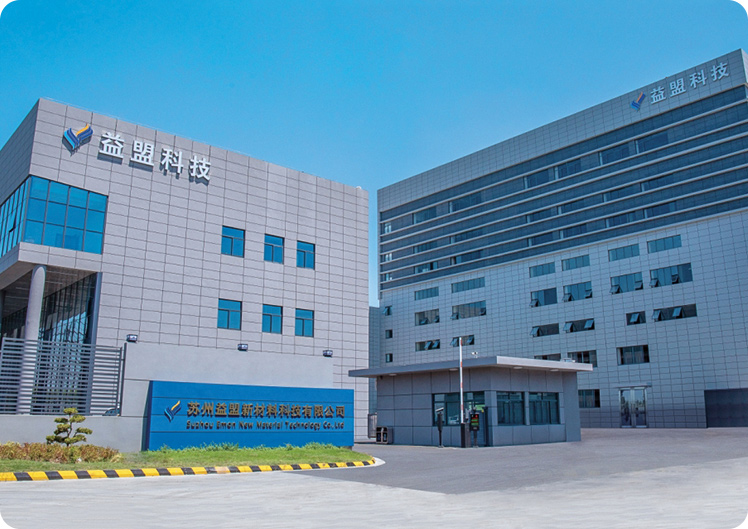
Suzhou Emon New Material Technology Co., Ltd. is a modern large-scale chemical fiber manufacturing enterprise specializing in a variety of recycled polyester fiber products. The company utilizes renewable resources sourced from local textile factories, chemical fiber factories, and recycled bottle collection systems to create high-quality recycled polyester fibers.
Its products are widely applied in spinning, filling materials, and nonwoven fabric production. Through advanced processing technologies, the company achieves spinnability and dyeability, enabling recycled fibers to deliver performance comparable to conventional alternatives.
To further support sustainable development, the company adheres to an integrity-based and quality-focused management philosophy while continuously improving production technologies and environmental performance.
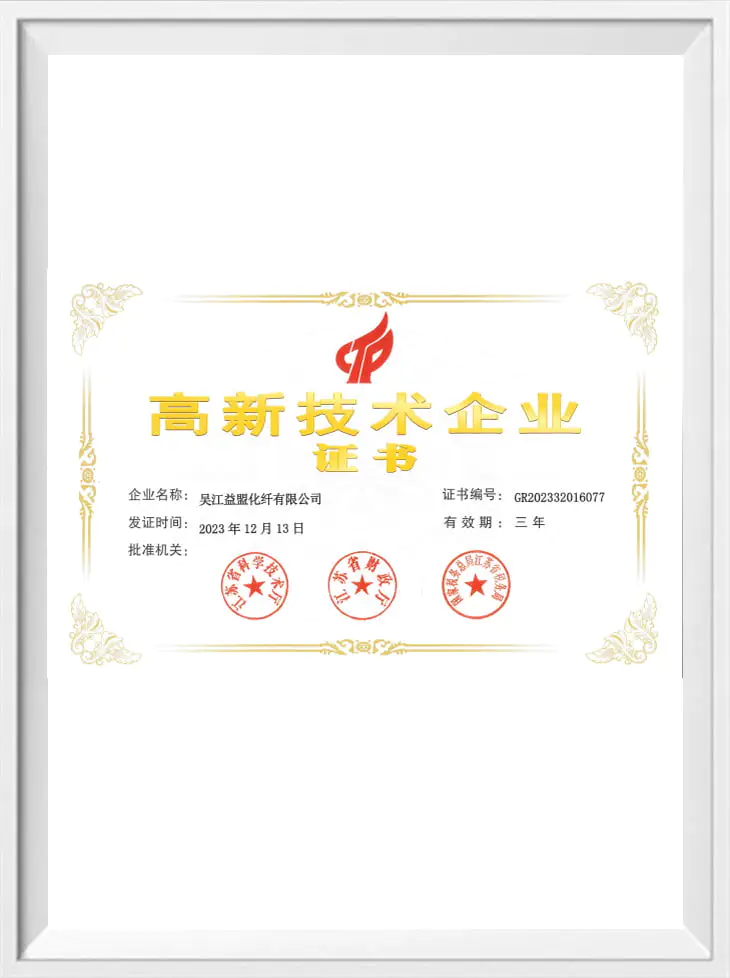
The company has established comprehensive management systems through certifications including:
In addition, it operates based on internationally recognized GRS and OEKO-TEX standards while pursuing higher-level green fiber certification goals.
Such integrated approaches demonstrate how responsible manufacturing can enhance both product quality and environmental sustainability.
Recycled eco-friendly fibers provide an effective solution for reducing the environmental impact of textile manufacturing. By decreasing dependence on virgin resources, diverting waste from landfills, lowering energy consumption, and supporting carbon reduction efforts, these materials contribute to a more sustainable and circular textile economy.
At the same time, advances in fiber processing technology ensure that recycled materials can deliver the performance, durability, and versatility required by modern textile applications.
1. What is a recycled eco-friendly fiber?
A recycled eco-friendly fiber is a textile fiber produced from recycled materials such as PET bottles, textile waste, or industrial scraps, helping reduce environmental impact and resource consumption.
2. Does recycled polyester fiber perform as well as virgin polyester?
Yes. With modern processing technologies, recycled polyester fiber can achieve comparable spinnability, dyeability, durability, and overall performance.
3. What industries commonly use recycled fibers?
Recycled fibers are widely used in apparel, home textiles, nonwoven fabrics, industrial textiles, filling materials, automotive interiors, and technical textile products.
4. How do recycled fibers support sustainability?
They help reduce waste generation, conserve resources, lower energy consumption, and support carbon emission reduction throughout the textile supply chain.
Emon Technology is willing to sincerely join hands with you, cooperate for win-win results, and create brilliance together!
Tel: +86-512-63679088
Email: [email protected]
[email protected]
[email protected]
[email protected]
[email protected]
Add:South of 318 National Highway, Miaotou Village, Meiyan, Wujiang, Jiangsu
Copyright © Suzhou Emon New Material Technology Co., Ltd. All rights reserved.
