English
 中文简体
中文简体 Español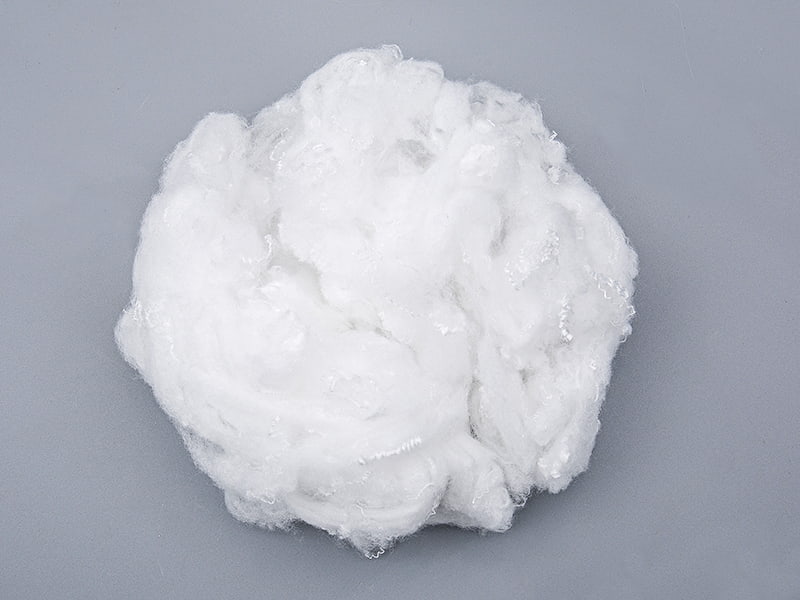
EM-Moisture Wicking Cross-Woven Polyester Staple Fiber
LEARN MORE
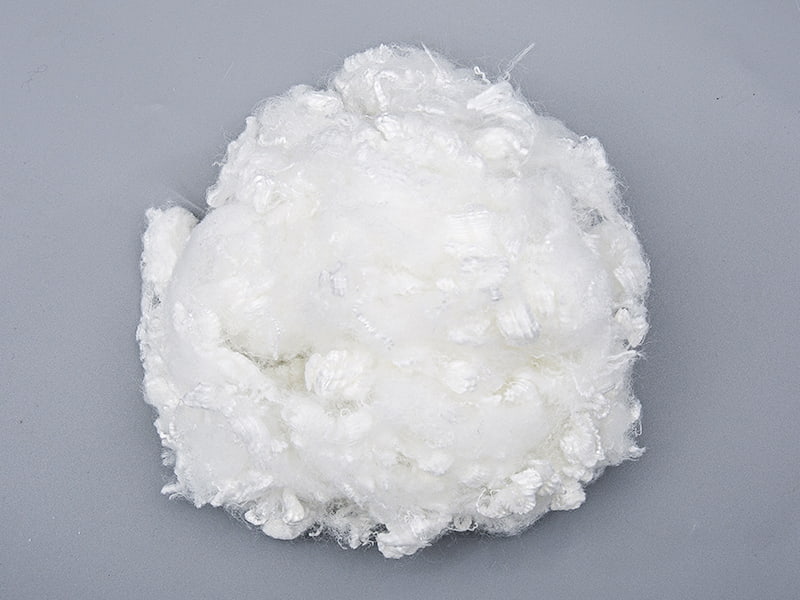
As a producer of irregular fibers, we focus on using precision spinneret technology with non-circular holes in the spinning process to carefully create fiber products with diverse cross-sectional shapes, known as "irregular cross-section fibers" in the industry. The cross-sections of these fibers break through traditional circular designs and exhibit unique configurations such as triangles, stars, multi lobes, and even hollow shapes, greatly enriching the geometric shape library of fibers. Compared to circular fibers, the core advantage of irregular fibers lies in their significantly increased surface area, which directly enhances the fiber's ability to cover the fabric, effectively reduces the transparency of the fabric, and improves the problem of pilling of circular fibers in a targeted manner. In addition, the irregular fibers exhibit fluffiness and breathability, and the complexity or irregularity of their cross-sectional design further enhances these physical properties, making the fibers and the fabrics they make in terms of wearing experience. Due to the increase in surface area, the interlocking force between fibers is significantly enhanced, which fundamentally reduces the occurrence of pilling and fuzzing, while improving the fiber's resistance to spinning and ensuring the durability of the product. It is precisely based on these outstanding performance characteristics that shaped fibers have a wide range of application scenarios in the textile industry, becoming an ideal choice for producing high-quality textiles and knitwear, and are highly favored by the market.

As performance requirements continue to rise across the textile and industrial sectors, manufacturers are seeking materials that provide more than basic strength and durability. Traditional round fibers have served the industry for decades, but their symmetrical cross-sectional structure can limit functionality in areas such as moisture management, thermal regulation, softness, and optical performance.
This is where specialty fibers have gained significant attention. By modifying the cross-sectional shape, surface characteristics, or internal structure of fibers, manufacturers can create materials with enhanced performance tailored to specific applications. From moisture-wicking sportswear to high-performance nonwoven fabrics, specialty fibers offer functional advantages that conventional round fibers often cannot achieve.
Specialty fibers refer to fibers engineered with unique structural characteristics that differ from standard circular fibers. These fibers may feature triangular, trilobal, hollow, multi-lobal, flat, cross-shaped, or other irregular cross-sections designed to improve specific properties.
Unlike conventional round fibers, which provide a relatively uniform surface, specialty fibers are developed to optimize interactions with moisture, light, air, heat, and dyes. This design flexibility enables manufacturers to enhance product performance without significantly increasing material weight.
| Fiber Structure | Key Functional Benefit | Typical Applications |
|---|---|---|
| Trilobal Fiber | Enhanced luster and light reflection | Apparel, decorative textiles |
| Hollow Fiber | Improved insulation and reduced weight | Filling materials, bedding |
| Cross-Shaped Fiber | Better moisture transport | Sportswear |
| Flat Fiber | Increased surface coverage | Industrial fabrics |
| Multi-Lobal Fiber | Enhanced capillary action | Functional textiles |
| Recycled Specialty Polyester Fiber | Sustainable performance solutions | Apparel, nonwovens, home textiles |
One of the recognized advantages of specialty fibers is their moisture management capability.
Conventional round fibers provide limited channels for moisture movement. Sweat or moisture often remains on the fabric surface, potentially affecting wearer comfort.
Many specialty fibers are designed with grooves, channels, or multi-lobal cross-sections that create capillary pathways. These pathways rapidly transport moisture away from the skin and distribute it across a larger surface area for faster evaporation.
| Property | Specialty Fibers | Conventional Round Fibers |
|---|---|---|
| Moisture Absorption Distribution | Excellent | Moderate |
| Wicking Efficiency | High | Standard |
| Drying Speed | Faster | Slower |
| Wearing Comfort | Enhanced | Basic |
| Thermal Comfort | Improved | Limited |
As a result, specialty fibers are widely used in activewear, outdoor garments, performance uniforms, and technical textiles where moisture control is essential.
Thermal regulation is another area where specialty fibers outperform traditional round fibers.
Many specialty fibers incorporate hollow or multi-hollow structures. These internal cavities trap air, creating an effective insulation layer while maintaining a low overall weight.
Air is naturally a poor conductor of heat. By increasing the amount of trapped air within the fiber structure, specialty fibers help maintain warmth in cold environments while reducing fabric bulk.
This combination of warmth and lightweight performance makes specialty fibers particularly suitable for:
Compared with solid round fibers, hollow specialty fibers can achieve better thermal efficiency without sacrificing comfort.
Consumer demand increasingly focuses on comfort. Fiber structure directly influences how a fabric feels against the skin.
Many specialty fibers are engineered to reduce friction between fibers and create a larger contact area. This results in:
Additionally, specialty fibers can mimic the texture of natural fibers while retaining the durability and processability of synthetic materials.
This advantage is particularly valuable in:
The cross-sectional design of specialty fibers significantly influences how light interacts with the material.
Round fibers tend to reflect light uniformly, resulting in a relatively ordinary appearance. In contrast, specialty fibers can manipulate light reflection to create distinctive visual effects.
| Fiber Design | Visual Effect |
|---|---|
| Trilobal | Bright luster |
| Flat | Silk-like sheen |
| Multi-Faceted | Sparkling appearance |
| Hollow | Soft visual texture |
| Irregular Cross-Section | Enhanced color depth |
These optical characteristics allow textile manufacturers to achieve premium aesthetics without additional finishing processes.
The structural features of specialty fibers often contribute to improved dye uptake and color uniformity.
In many applications, engineered fiber surfaces provide:
This can help manufacturers achieve desired visual results while maintaining processing efficiency.
For industries where appearance and color quality are critical, specialty fibers offer clear advantages over conventional round fibers.
Many advanced textile technologies rely on surface treatments and functional coatings.
Specialty fibers often possess a larger effective surface area than round fibers, enabling improved attachment of:
The increased interaction between fiber surfaces and treatment materials enhances the effectiveness and durability of these functional properties.
Sustainability has become a major factor in fiber selection.
Modern specialty fibers are increasingly developed using recycled raw materials while maintaining high performance standards.
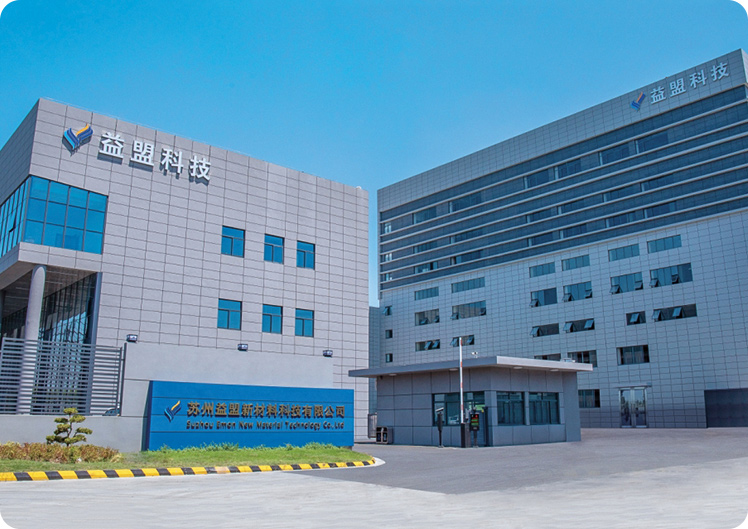
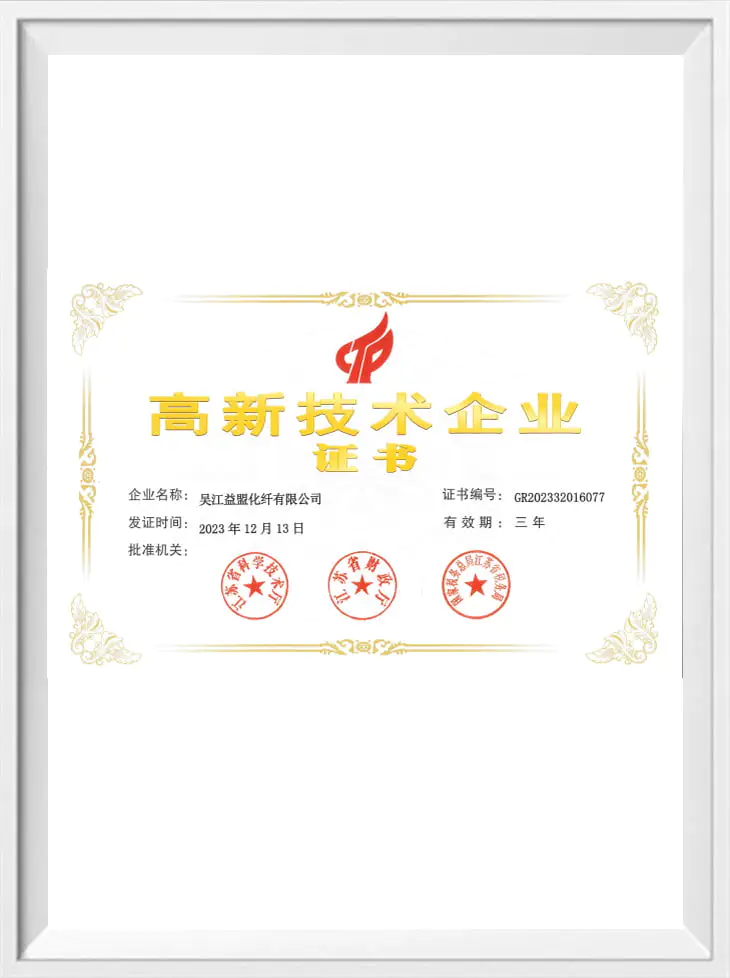
Suzhou Emon New Material Technology Co., Ltd. is a modern large-scale chemical fiber manufacturing enterprise recognized for advanced production technology and strong manufacturing capabilities. The company primarily produces various recycled polyester fiber products used in spinning applications, filling materials, and nonwoven fabric production.
By utilizing renewable resources derived from recycled materials, the company supports the production of specialty polyester fibers that deliver spinnability and dyeability while contributing to resource conservation. These fibers are widely applied in vortex spinning, ring spinning, air spinning, clothing textiles, industrial fabrics, and nonwoven products.
The integration of recycled materials with specialty fiber technology demonstrates how performance enhancement and environmental responsibility can be achieved simultaneously.
The growing popularity of specialty fibers is closely linked to their versatility across multiple industries.
| Industry | Functional Requirement | Specialty Fiber Benefit |
|---|---|---|
| Sportswear | Moisture control | Rapid wicking |
| Home Textiles | Comfort and insulation | Softness and warmth |
| Nonwoven Fabrics | Performance consistency | Enhanced functionality |
| Industrial Textiles | Durability and efficiency | Customized properties |
| Filling Materials | Lightweight insulation | Hollow fiber technology |
| Fashion Apparel | Appearance and comfort | Improved aesthetics |
Specialty fibers offer substantial functional advantages over conventional round fibers by leveraging advanced structural engineering to improve moisture management, thermal insulation, softness, appearance, dyeability, and finishing performance.
Rather than relying solely on chemical modifications, specialty fibers achieve many of these benefits through optimized physical design, making them highly adaptable across textile, nonwoven, and industrial applications.
1. What are specialty fibers?
Specialty fibers are engineered fibers with unique cross-sectional shapes or internal structures designed to provide enhanced performance compared with conventional round fibers.
2. Why do specialty fibers wick moisture better?
Many specialty fibers contain grooves or multi-lobal structures that create capillary channels, allowing moisture to move quickly away from the surface and evaporate more efficiently.
3. Are specialty fibers more suitable for thermal insulation?
Yes. Hollow and multi-hollow specialty fibers can trap air within their structure, improving insulation while maintaining lightweight characteristics.
4. Can specialty fibers be made from recycled materials?
Yes. Many modern specialty fibers, particularly recycled polyester fibers, are produced from renewable and recycled resources while maintaining functional performance.
5. Which industries commonly use specialty fibers?
Specialty fibers are widely used in apparel, sportswear, home textiles, filling materials, industrial fabrics, nonwoven fabrics, and various technical textile applications.
Emon Technology is willing to sincerely join hands with you, cooperate for win-win results, and create brilliance together!
Tel: +86-512-63679088
Email: [email protected]
[email protected]
[email protected]
[email protected]
[email protected]
Add:South of 318 National Highway, Miaotou Village, Meiyan, Wujiang, Jiangsu
Copyright © Suzhou Emon New Material Technology Co., Ltd. All rights reserved.