2026.05.08
 Industry Information
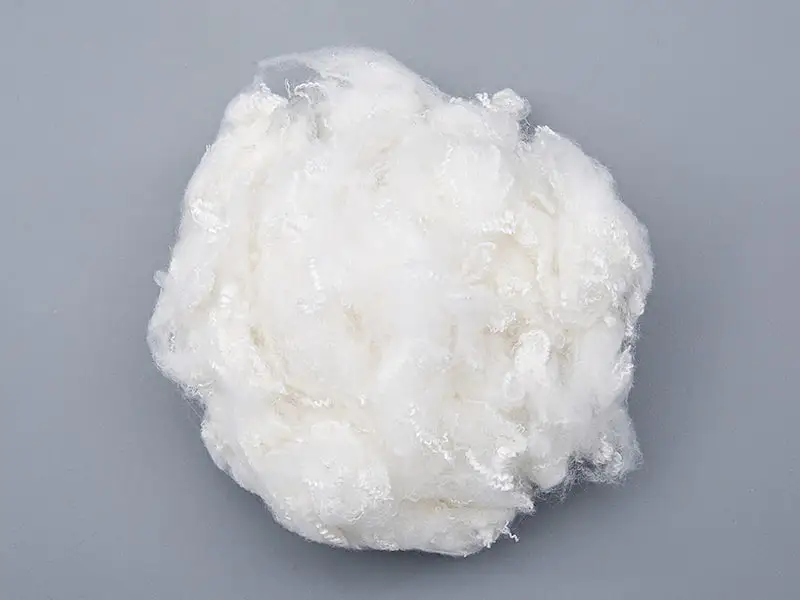
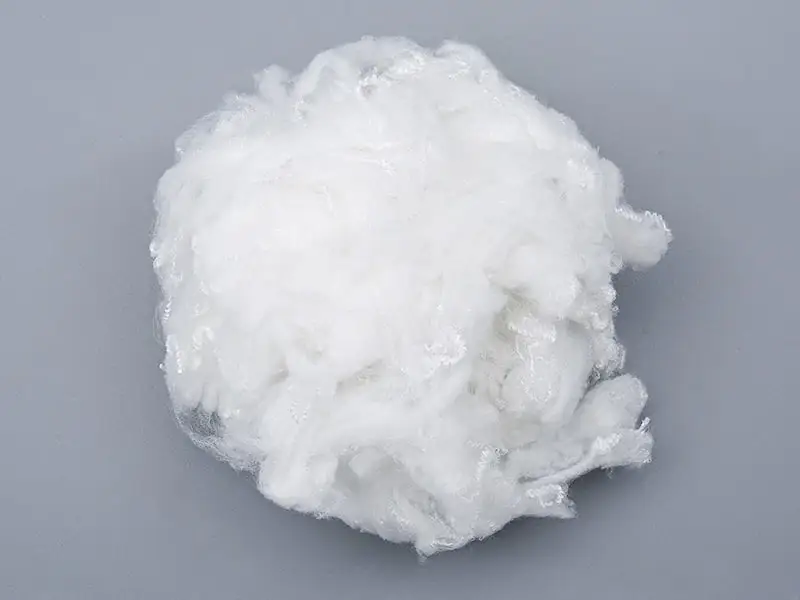
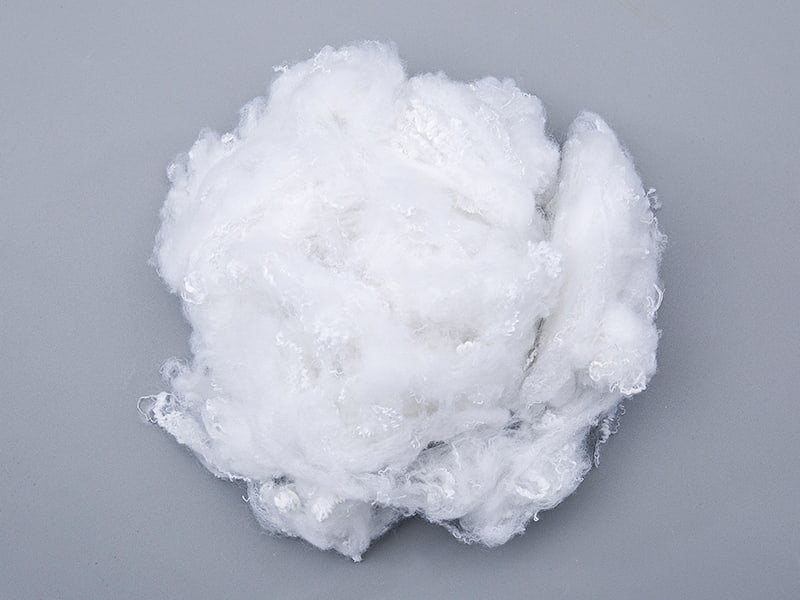
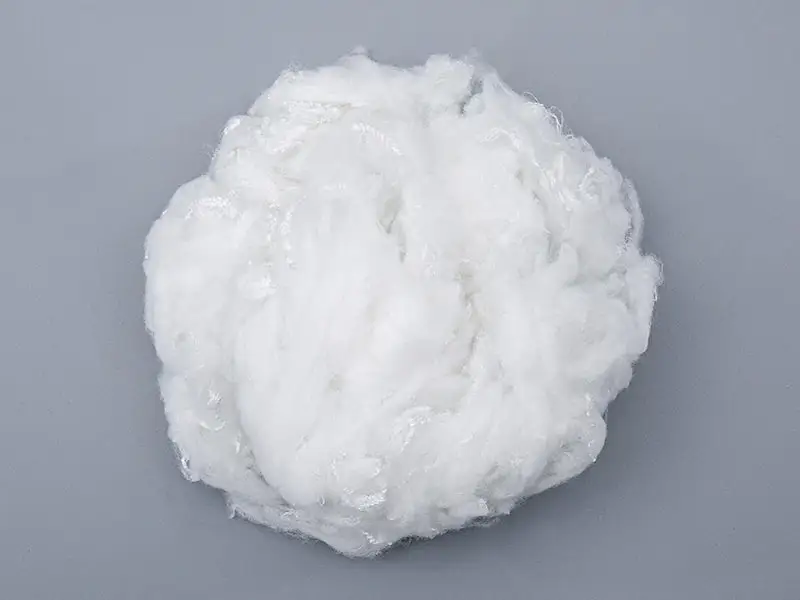
In modern textile and furnishing industries, sustainability and performance are becoming equally important. Among various materials, recycle polyester fiber has gained significant attention due to its balance of environmental benefits, durability, and versatility. It is widely used in filling and upholstery applications, offering a practical solution for manufacturers seeking both comfort and eco-conscious production.
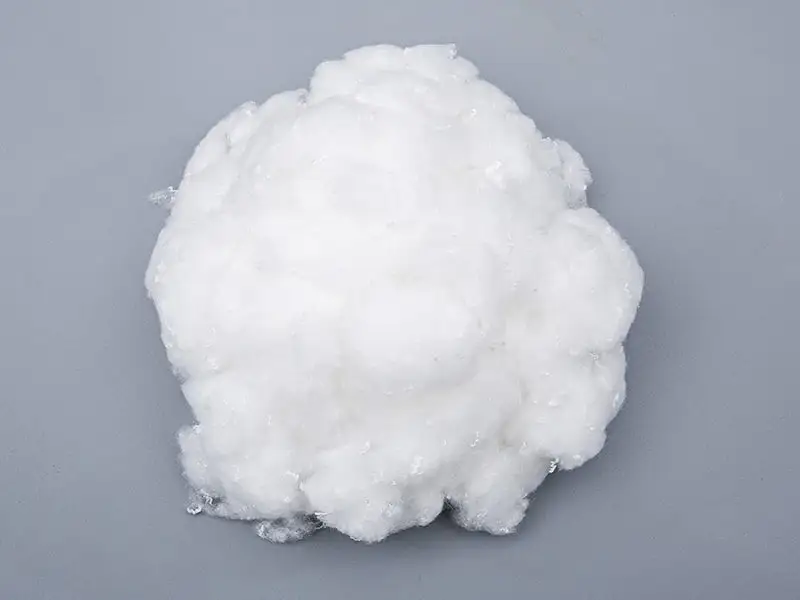
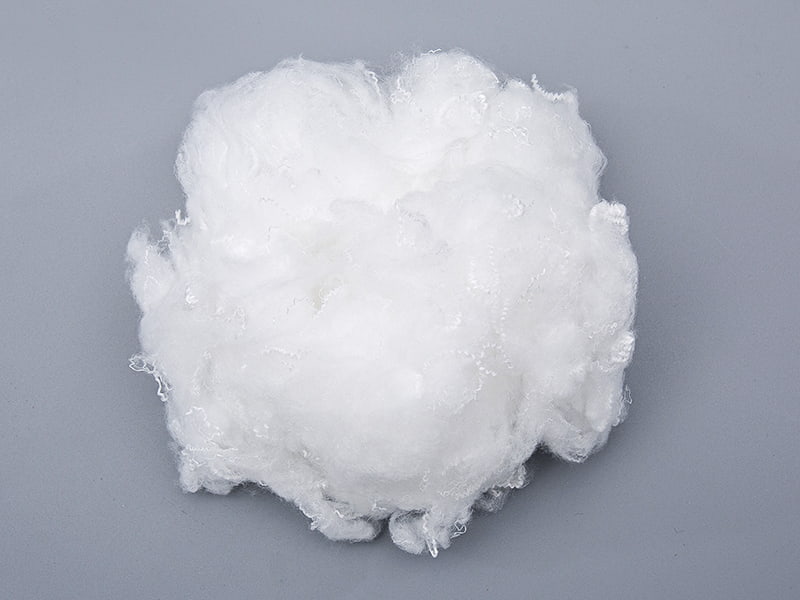
Recycle polyester fiber is produced by reprocessing post-consumer or post-industrial polyester materials into usable fibrous structures. These fibers maintain similar physical characteristics to virgin polyester but significantly reduce environmental impact.
In filling applications, the fiber is primarily used for:
Its hollow and solid fiber variations allow manufacturers to adjust softness, resilience, and support based on product requirements.
| Property | Function in Filling Applications |
|---|---|
| Resilience | Maintains shape after compression |
| Softness | Enhances comfort in cushions and pillows |
| Loft retention | Prevents flattening over time |
| Breathability | Improves airflow and reduces heat buildup |
| Lightweight structure | Reduces overall product weight |
These properties make recycled polyester stuffing a preferred choice in both home and commercial furnishing products.
In upholstery applications, recycle polyester fiber plays a structural and comfort-enhancing role. It is often used as a cushioning layer beneath fabric covers or combined with foam to improve elasticity and surface softness.
Common uses include:
Its ability to distribute pressure evenly helps reduce deformation and improves long-term usability of upholstered products.
The use of upholstery fiber made from recycled polyester brings several functional advantages:
Dimensional Stability
It resists sagging and maintains shape even under long-term load.
Elastic Recovery
After compression, the fiber quickly returns to its original form.
Moisture Resistance
Unlike natural fibers, it absorbs minimal moisture, reducing odor risks.
Hypoallergenic Properties
Suitable for environments requiring low allergen exposure.
Processing Flexibility
Easily blended with other fibers or foam materials for customized performance.
| Application Area | Fiber Form Used | Primary Function | Performance Focus |
|---|---|---|---|
| Filling | Loose fiber / clusters | Soft volume creation | Comfort and loft |
| Upholstery | Mat, layered fiber sheets | Structural support padding | Durability and resilience |
This comparison highlights how recycle polyester fiber can be adapted for different mechanical and comfort requirements depending on end-use.
One of the strongest advantages of recycle polyester fiber is its contribution to circular material use. By converting waste polyester into functional fiber, the material reduces dependence on virgin resources and supports waste reduction in textile systems.
Key sustainability benefits include:
These advantages align with increasing global demand for environmentally responsible material sourcing in upholstery fiber and filling fiber industries.
To ensure performance in filling and upholstery, recycled polyester fiber undergoes several processing stages such as:
Adjusting fiber denier, length, and crimp level allows manufacturers to tailor properties such as softness, firmness, and resilience.
1. What is recycle polyester fiber mainly used for?
It is mainly used in filling and upholstery applications such as cushions, pillows, sofas, and other padded furniture products.
2. Is recycled polyester stuffing as durable as virgin fiber?
Yes, when properly processed, it offers similar durability, resilience, and shape retention performance.
3. What makes it suitable for upholstery fiber applications?
Its elasticity, stability, and resistance to deformation make it ideal for long-term structural support in upholstered products.
4. Can recycle polyester fiber be blended with other materials?
Yes, it can be combined with foam or natural fibers to enhance comfort and mechanical performance.
5. Is it environmentally friendly?
Yes, it helps reduce textile waste and lowers dependency on new raw materials, supporting sustainable production systems.
Emon Technology is willing to sincerely join hands with you, cooperate for win-win results, and create brilliance together!
Tel: +86-512-63679088
Email: [email protected]
[email protected]
[email protected]
[email protected]
[email protected]
Add:South of 318 National Highway, Miaotou Village, Meiyan, Wujiang, Jiangsu
Copyright © Suzhou Emon New Material Technology Co., Ltd. All rights reserved.



 English
 中文简体
中文简体 Español