2026.09.11
 Industry Information
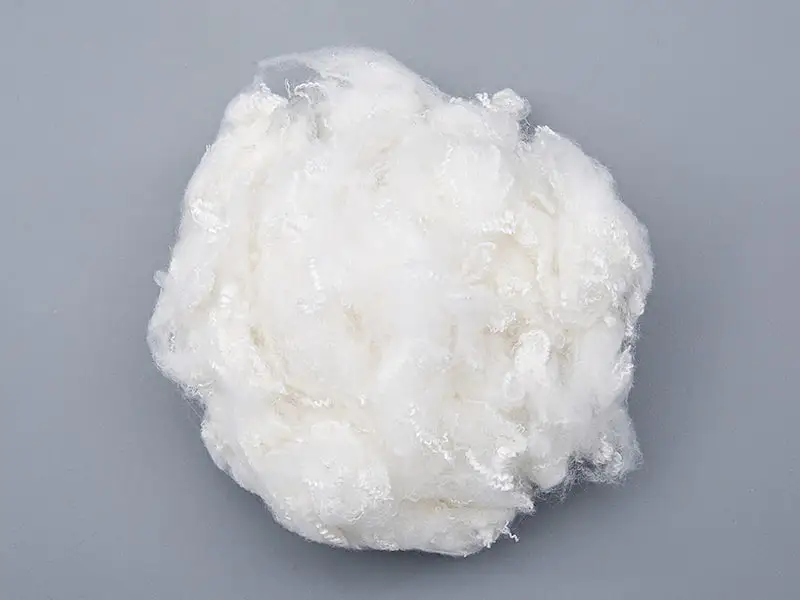
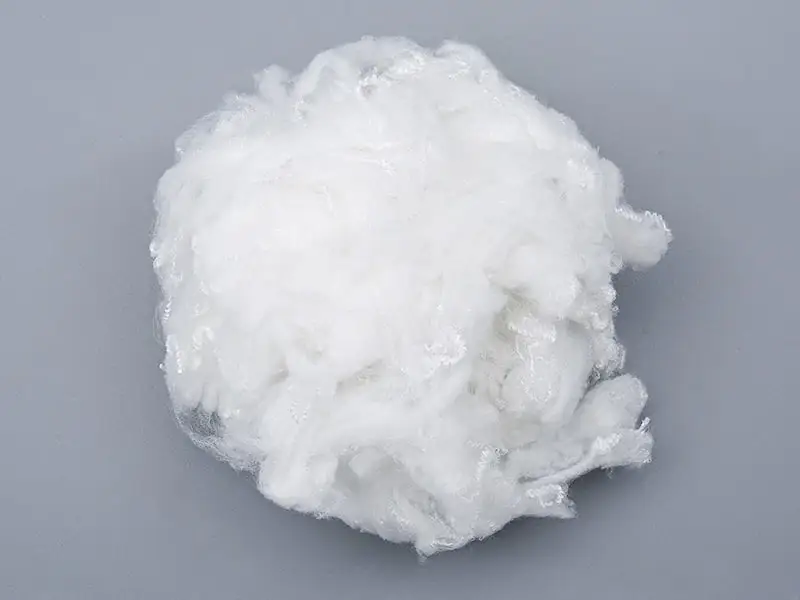
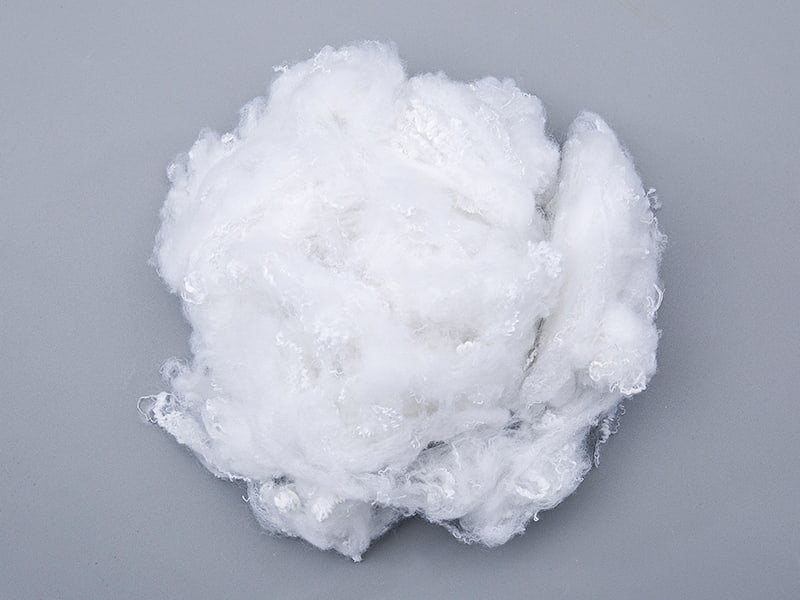
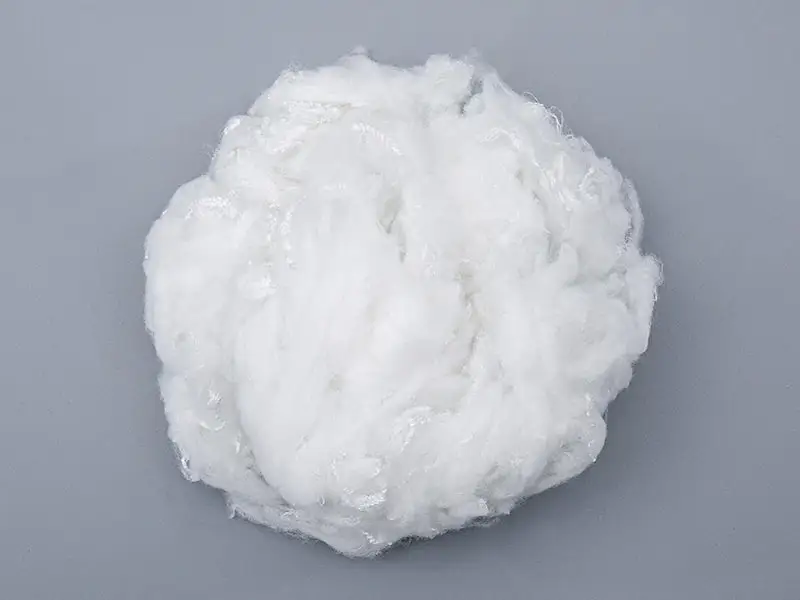
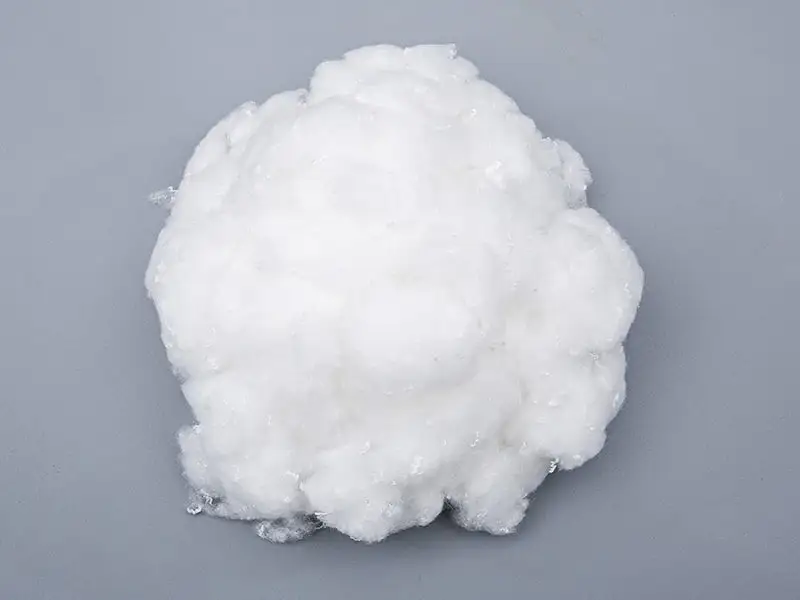
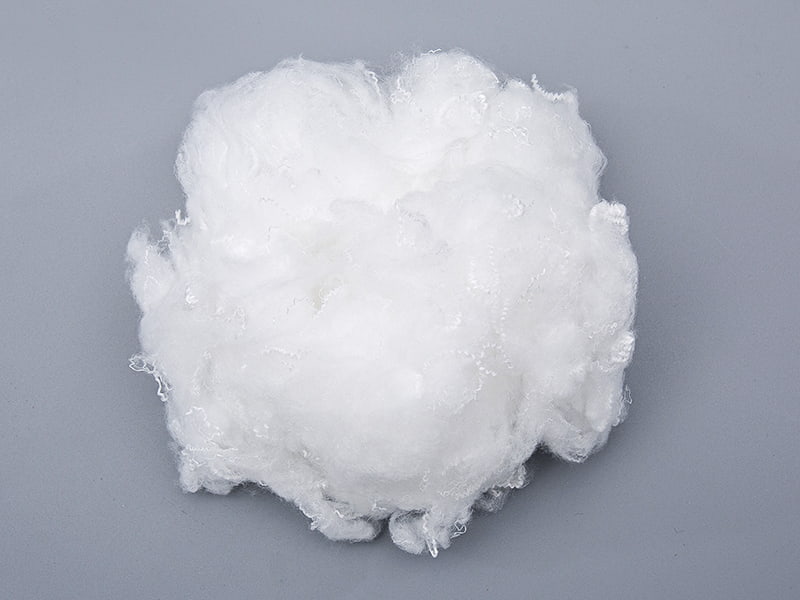
Polyester staple fiber, commonly shortened to PSF, sits at the front end of a vast number of textile and industrial products. It is the cut-length fiber that gets spun into yarn, needle-punched into nonwoven fabric, or blown into cushions and insulation. For buyers, the challenge is not finding PSF at all. The challenge is finding the right grade, the right specification, and the right supply partner without wasting weeks on samples that never match the production line.
This guide focuses on practical selection criteria. It covers denier and cut length choices, the difference between virgin and recycled raw materials, functional variants such as hollow conjugated and low melt fiber, pricing factors, and the quality checks that separate a reliable supplier from a risky one. If you are sourcing polyester staple fiber for spinning, nonwoven, filling, or geotextile production, the sections below are written for your decision process.
Quick orientation: PSF is sold by denier, cut length, tenacity, and raw material origin. A 1.4D x 38mm virgin fiber behaves very differently from a 15D x 64mm recycled hollow conjugated fiber. Matching the specification to the end use is the first step toward stable production.
Polyester staple fiber is produced by extruding polyester polymer into continuous filaments, drawing them, crimping them, and then cutting them into short lengths. The cut length typically ranges from 32mm to 64mm for textile spinning, while longer lengths up to 100mm or more may be used for certain industrial applications. The denier, which measures fiber thickness, usually falls between 1.2D and 15D for mainstream products.
The cut length directly influences how the fiber behaves in downstream machinery. Short cut lengths improve cohesion in carding and needle punching. Longer cut lengths increase yarn strength in ring spinning but can cause drafting issues if the fiber length distribution is inconsistent. Denier affects softness, bulk, and tensile strength. A finer denier like 1.4D produces softer hand feel and is preferred for apparel yarn and spunlace nonwoven. A coarser denier like 15D provides greater stiffness and is used in geotextiles and heavy-duty filling.
Polyester filament is a continuous strand, often measured in decitex, and is used in smooth fabrics, sewing thread, and industrial ropes. Staple fiber is cut into short lengths and spun or bonded into fabrics. The two are not interchangeable in most production lines. If your process starts with carding, spinning, or needle punching, you need staple fiber. If your process starts with weaving or knitting continuous yarn, you need filament. Buyers who switch from filament to staple often need to re-calibrate their machinery and adjust blend ratios.
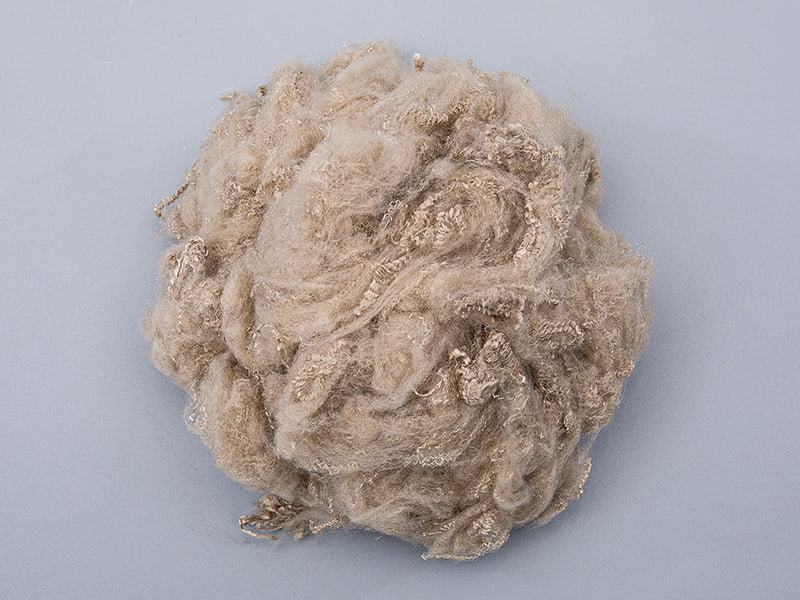
Virgin PSF is made from new petrochemical polymers. It offers consistent whiteness, stable tenacity, and predictable crimp. Recycled PSF is made from PET bottle flakes or other post-consumer polyester waste. It reduces carbon footprint and can be certified under global recycled standards. However, recycled fiber may show slight color variation between batches and may have lower tenacity if the input flakes are not carefully sorted. For applications where color consistency is critical, such as white nonwoven for hygiene products, virgin fiber is often the safer choice. For industrial geotextiles or dark-colored filling, recycled fiber can perform well and reduce material cost.
Specification tables are the language of fiber procurement. The table below lists common denier and cut length combinations along with their typical applications. Use it as a starting point for your inquiry, then confirm tenacity, elongation, crimp rate, and oil content with the supplier.
| Denier | Cut Length | Typical Tenacity | Primary Application |
|---|---|---|---|
| 1.4D | 38mm | 5.5 to 6.5 cN/dtex | Ring spun yarn, spunlace nonwoven |
| 1.5D | 38mm | 5.0 to 6.0 cN/dtex | Apparel yarn, thermal bonded nonwoven |
| 2D | 51mm | 5.0 to 6.0 cN/dtex | Open-end spinning, needle punch nonwoven |
| 6D | 64mm | 4.5 to 5.5 cN/dtex | Filling, padding, automotive interior |
| 15D | 64mm | 4.0 to 5.0 cN/dtex | Geotextile, heavy industrial fabric |
Solid fiber is the standard round cross-section and is used across all major applications. Hollow conjugated fiber contains a hollow core and a spiral crimp, giving higher bulk and thermal insulation per unit weight. It is common in filling and padding. Low melt fiber has a lower melting point and acts as a binder in thermal bonded nonwoven, allowing fabric strength without chemical binders. Flame retardant fiber incorporates additives that slow ignition and reduce flame spread, suitable for public transport and building textiles.
Virgin fiber is produced from new polyester polymer. Recycled fiber is produced from washed PET bottle flakes or polyester waste. Recycled fiber can be certified under global recycled standards, which helps brands meet sustainability targets. When requesting recycled PSF, ask for the recycled content percentage, the certification scope, and a declaration of any color variation tolerance.
Different industries look for different fiber behavior. A spinning mill cares about fiber length uniformity and spin finish. A nonwoven producer cares about crimp stability and opening performance. A filling manufacturer cares about bulk recovery and odor control. The sections below map common applications to specification priorities.
Ring spinning typically uses 1.4D to 2D fiber with cut lengths of 38mm to 51mm. Fiber length uniformity is critical because short fibers create more waste and weaker yarn. Open-end spinning tolerates slightly shorter fiber and often uses 2D to 3D denier. In both cases, ask for tenacity above 5.0 cN/dtex and consistent crimp number, usually 10 to 14 crimps per 25mm.
Needle punch nonwoven uses 2D to 6D fiber with 51mm to 64mm cut length. Higher denier improves needling efficiency and fabric stiffness. Thermal bonded nonwoven blends low melt fiber with standard fiber, often at 20 to 30 percent low melt content. Spunlace nonwoven uses finer denier, typically 1.4D to 1.5D, with 38mm cut length, because hydroentangling requires flexible fibers that entangle without breaking.
Hollow conjugated fiber with 6D to 15D denier and 64mm cut length is the standard choice for pillows, quilts, cushions, and automotive seating. The hollow structure traps air and provides warmth without weight. Conjugated crimp gives resilience so the filling recovers after compression. For toy filling, fiber must be clean, odorless, and free from sharp impurities.
Geotextile nonwoven uses 6D to 15D fiber with high tenacity and UV stabilization. The fiber must resist degradation in soil and sunlight. Industrial filters, conveyor belts, and reinforcement fabrics also use coarser PSF where mechanical strength outweighs softness.
1.4D to 2D, 38mm to 51mm, high length uniformity.
2D to 6D, 51mm to 64mm, stable crimp and opening.
6D to 15D, 64mm, hollow conjugated for bulk.
6D to 15D, high tenacity, UV stabilized.
PSF prices move with raw material costs, energy prices, and seasonal demand. Rather than quoting a single number that expires quickly, this section explains the variables that determine your landed cost. Use these factors to compare quotations on equal terms.
Most PSF suppliers set a minimum order quantity between 5 and 20 tons for standard specifications. Sample quantities of 1 to 5 kilograms are usually available for qualified buyers. Samples may be free of charge, with the buyer covering courier cost. When requesting a sample, specify denier, cut length, raw material type, and application so the supplier can send the closest match.
Quotation tip: Ask for a quotation that separates fiber price, packaging cost, and freight. A low fiber price with expensive packaging or slow lead time may not be the lowest total cost.
Fiber quality problems rarely appear in the first bale. They appear after three weeks of production, when inconsistent denier causes yarn defects or when recycled color variation ruins a white nonwoven run. The sections below outline the checks that protect your production line.
Look for suppliers with documented quality management systems, such as ISO 9001. For recycled fiber, global recycled standard certification confirms the recycled content chain. For textile applications that touch skin, OEKO-TEX or equivalent certification provides assurance on harmful substances. Certifications are not a substitute for batch testing, but they indicate a supplier that invests in process control.
Ask for monthly capacity in tons and the typical lead time for your specification. A supplier with 3,000 tons monthly capacity and a 15-day lead time for standard 1.4D x 38mm fiber is easier to plan around than a trader with no visible production base. For custom colors or specialty additives, lead time may extend to 25 or 30 days.
Export packaging must survive multiple handling points. Standard PSF bales are wrapped in woven polypropylene bags and secured with straps. Bale weight is commonly 200 to 300 kilograms. For humid destinations, ask for moisture barrier liners. Suppliers with export experience provide clear loading photos, container weight distribution, and documentation support for customs clearance.
Virgin PSF is made from new polyester polymer and offers consistent color and tenacity. Recycled PSF is made from PET bottle flakes or polyester waste and reduces environmental impact. Recycled fiber may show slight batch-to-batch color variation and slightly lower tenacity, so it is often used in industrial, filling, or dark-colored applications where those differences are acceptable.
Yes. Most suppliers provide 1 to 5 kilogram samples for qualified buyers. Samples are usually free, with the buyer covering courier charges. Provide your denier, cut length, raw material preference, and application so the sample matches your production line as closely as possible.
Minimum order quantity varies by supplier and raw material. For standard 1.4D x 38mm virgin or recycled PSF, a common MOQ is 5 to 20 tons. Smaller trial orders may be possible but usually carry a higher unit cost. Confirm MOQ together with packaging and lead time before placing a formal order.
Standard export packaging uses woven polypropylene bales weighing 200 to 300 kilograms, secured with straps. For humid destinations, moisture barrier liners are added. Containers are loaded with bales arranged to distribute weight evenly. Suppliers should provide loading photos and complete shipping documents for customs clearance.
Global recycled standard certification is available for recycled PSF produced from verified PET bottle flakes or polyester waste. When requesting GRS fiber, ask for the certificate scope, recycled content percentage, and transaction certificate for your shipment. Certification ensures the recycled content claim is traceable from input to finished fiber.
Tell us your denier, cut length, application, and estimated monthly volume. A clear specification helps the supplier match the right grade and respond with a tailored quotation within 24 hours. Whether you need 1.4D x 38mm virgin fiber for spinning, 6D x 64mm hollow conjugated fiber for filling, or GRS certified recycled PSF for a sustainability project, the right specification starts the conversation.
Include in your inquiry: denier, cut length, virgin or recycled, functional variant, application, monthly volume, and destination port.
Emon Technology is willing to sincerely join hands with you, cooperate for win-win results, and create brilliance together!
Tel: +86-512-63679088
Email: [email protected]
[email protected]
[email protected]
[email protected]
[email protected]
Add:South of 318 National Highway, Miaotou Village, Meiyan, Wujiang, Jiangsu
Copyright © Suzhou Emon New Material Technology Co., Ltd. All rights reserved.



 English
 中文简体
中文简体 Español