2026.07.10
 Industry Information
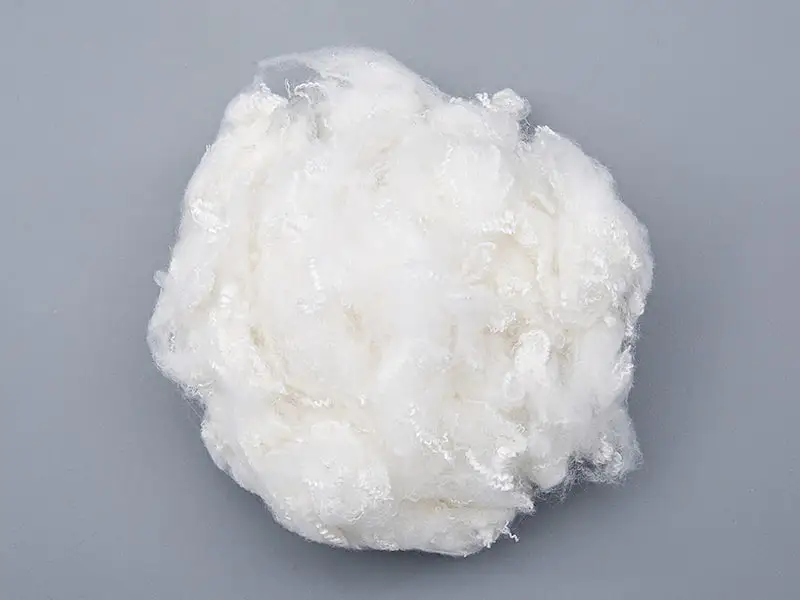
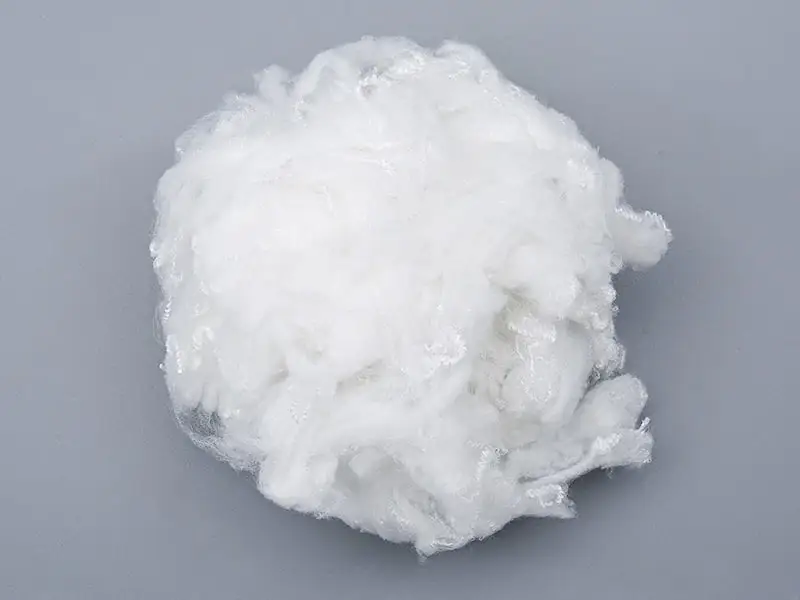
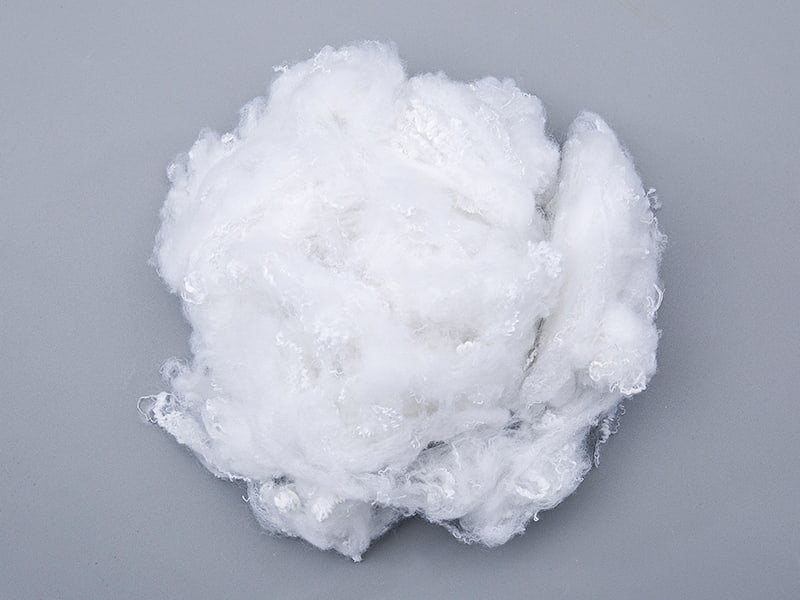
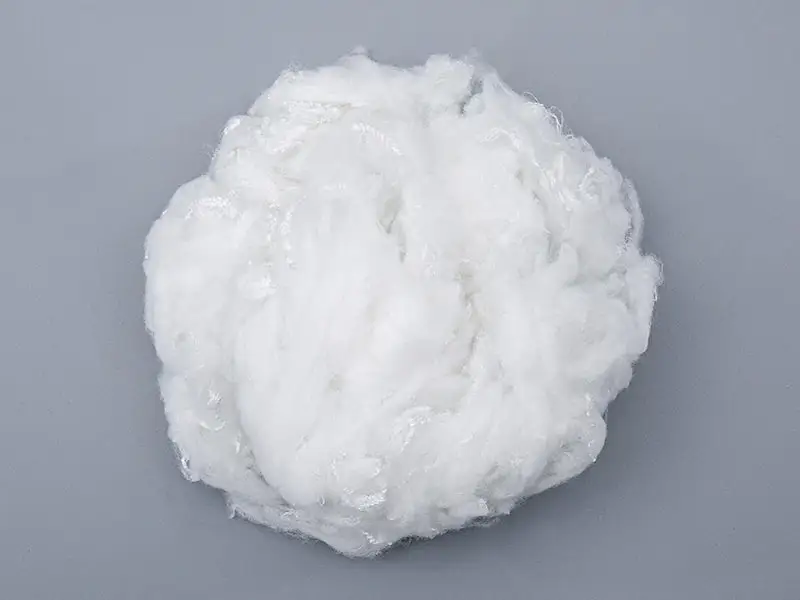
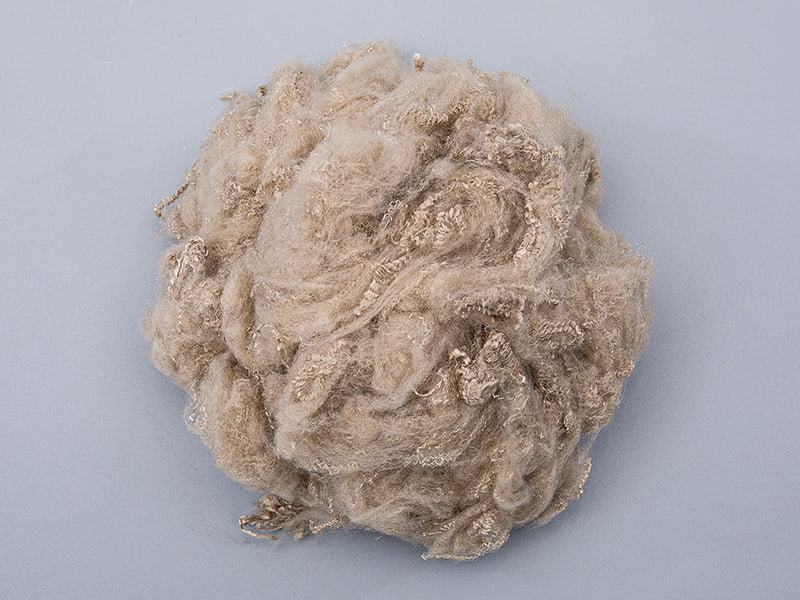
Recycled polyester fiber is a man-made fiber produced by reprocessing post-consumer or post-industrial polyethylene terephthalate (PET) materials, most commonly plastic bottles and polyester textile scraps, into new fiber strands. Rather than relying on virgin petroleum-based inputs, manufacturers collect, sort, clean, and melt down existing PET waste, then extrude it into filaments or staple fibers suitable for spinning into yarn. This process allows the fiber to retain many of the performance characteristics of conventional polyester, including durability, moisture resistance, and dimensional stability, while significantly reducing dependence on new raw material extraction.
The rise of recycled polyester fiber reflects a broader shift in the textile and nonwoven industries toward circular material sourcing. As brands, manufacturers, and regulators place increasing emphasis on reducing plastic waste and lowering carbon footprints, recycled polyester has moved from a niche alternative to a mainstream input across apparel, home textiles, automotive interiors, and industrial applications.
The production of recycled PET fiber generally follows a mechanical recycling pathway, although chemical recycling methods are gaining ground for handling contaminated or mixed-color waste streams. Understanding this process helps clarify why quality and consistency can vary between suppliers.
Chemical recycling breaks PET down into its base monomers before repolymerizing them into new resin. This method can process lower-grade or mixed-contamination waste that mechanical recycling cannot handle, producing fiber with properties closer to virgin polyester, though it typically involves higher processing costs and energy input.
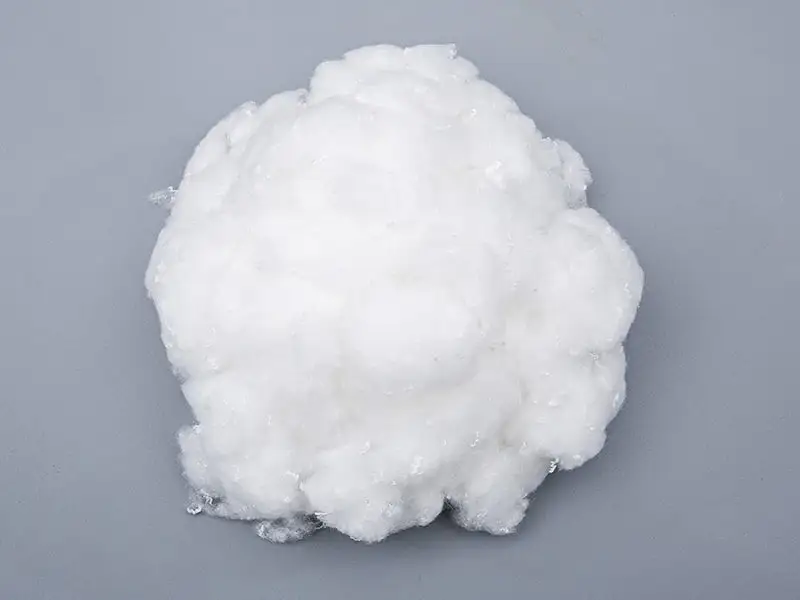
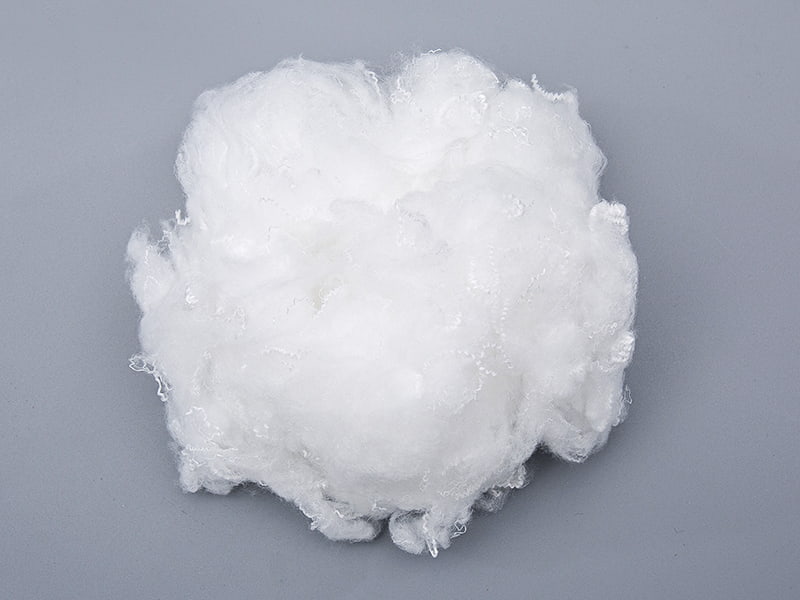
Recycled polyester staple fiber refers specifically to short, cut lengths of recycled polyester filament, as opposed to continuous filament yarn. This form is widely used because it can be blended with other fibers, such as cotton or viscose, and processed on standard spinning equipment already common in textile mills.
| Fiber Form | Typical Use Case | Key Property |
|---|---|---|
| Hollow conjugated staple fiber | Pillow and cushion filling | Loft and resilience |
| Solid staple fiber | Blended spun yarns | Strength and uniformity |
| Recycled PET staple fiber (fine denier) | Nonwoven fabrics, filters | Fine texture, filtration capability |
| Recycled filament yarn | Woven and knitted apparel | Smooth surface, consistent tension |
The environmental case for recycled polyester fibre centers on resource conservation, waste diversion, and emissions reduction relative to virgin polyester production. While outcomes depend on regional recycling infrastructure and energy sources, several consistent benefits are widely documented across lifecycle assessments.
It is worth noting that recycled polyester still sheds microplastic fibers during washing, similar to virgin polyester, and the environmental benefit depends heavily on the efficiency of local collection and sorting systems. Chemical recycling processes, while capable of handling more contaminated waste streams, can require additional energy input that partially offsets some resource savings.
| Factor | Recycled Polyester Fiber | Virgin Polyester Fiber |
|---|---|---|
| Raw material source | Post-consumer or post-industrial PET waste | Newly extracted petroleum feedstock |
| Waste diversion impact | Reduces landfill and ocean plastic accumulation | No direct waste diversion benefit |
| Color consistency | Can vary depending on sorted feedstock | Generally consistent and controllable |
| Processing complexity | Requires sorting, washing, purification steps | Streamlined from petrochemical inputs |
| Typical performance | Comparable strength and durability | Comparable strength and durability |
Buyers sourcing material from a recycled polyester fiber manufacturer typically assess several technical and operational factors before committing to a supply relationship. These considerations help ensure consistent fiber quality and verifiable recycled content.
| Criteria | Why It Matters |
|---|---|
| Certified recycled content tracing | Confirms actual PET waste origin and recycled percentage |
| Fiber denier and cut length options | Determines suitability for specific spinning or nonwoven processes |
| Color and whiteness consistency | Affects dyeing outcomes and final product appearance |
| Testing for tensile strength and elongation | Ensures fiber performs reliably in downstream manufacturing |
| Batch-to-batch consistency | Reduces production variability across large orders |
It is primarily made from post-consumer PET plastic bottles or post-industrial polyester textile waste that has been cleaned, processed into flakes, and re-extruded into new fiber form.
In most cases, recycled polyester staple fiber offers comparable tensile strength and durability to virgin polyester, particularly when sourced from well-sorted, high-quality PET feedstock.
Pricing varies by region and market conditions. Mechanical recycling can be cost-competitive, while chemical recycling processes may carry a premium due to higher processing complexity.
Yes, though color consistency in the raw feedstock can influence dyeing outcomes, which is why sorting and purification quality are important selection factors.
Common applications include apparel, home textiles, filling materials for cushions and toys, automotive interior components, and nonwoven fabrics used in filtration and geotextiles.
Emon Technology is willing to sincerely join hands with you, cooperate for win-win results, and create brilliance together!
Tel: +86-512-63679088
Email: [email protected]
[email protected]
[email protected]
[email protected]
[email protected]
Add:South of 318 National Highway, Miaotou Village, Meiyan, Wujiang, Jiangsu
Copyright © Suzhou Emon New Material Technology Co., Ltd. All rights reserved.



 English
 中文简体
中文简体 Español