2026.08.07
 Industry Information
Every tonne of clear PET flakes that replaces virgin resin cuts roughly 1.5 to 2 tonnes of CO2 emissions across the plastics supply chain. For recyclers, converters, and packaging buyers, the real challenge is not whether to switch to recycled material, but how to tell a high-purity flake from a batch that will jam a spinning line or discolor a bottle preform.
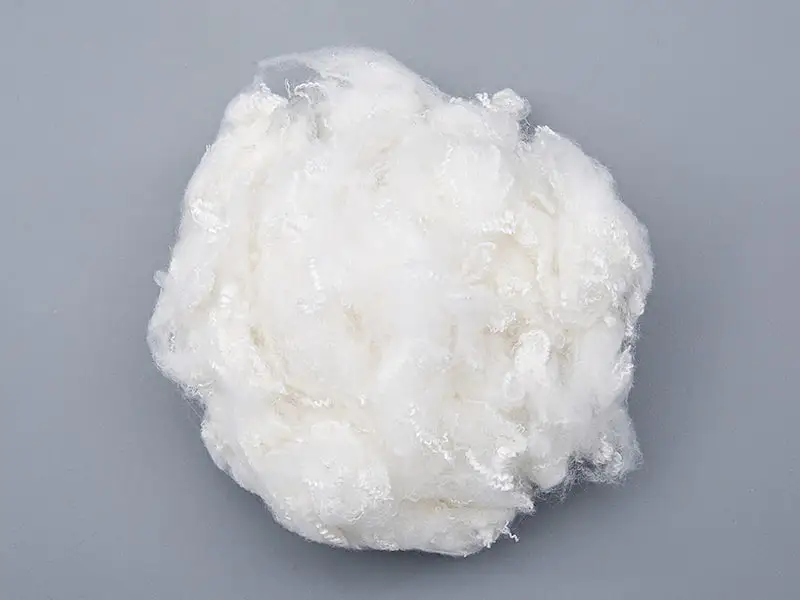
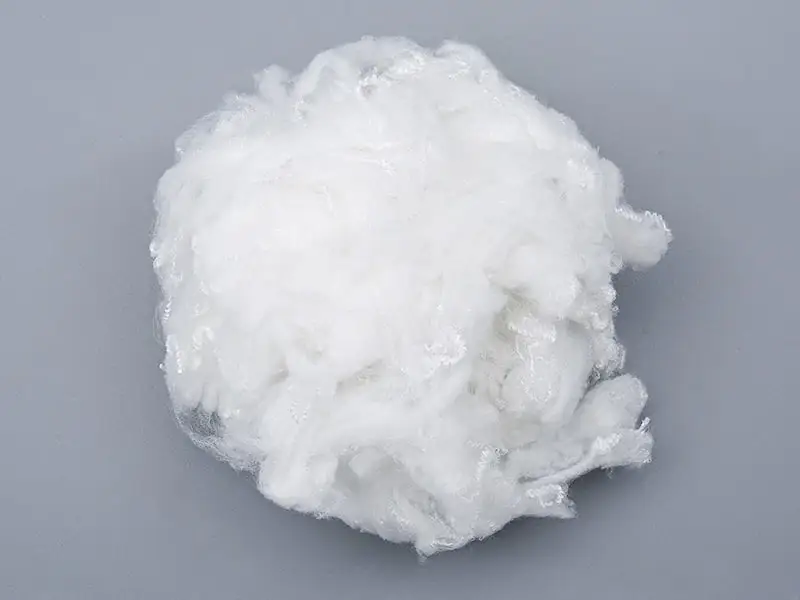
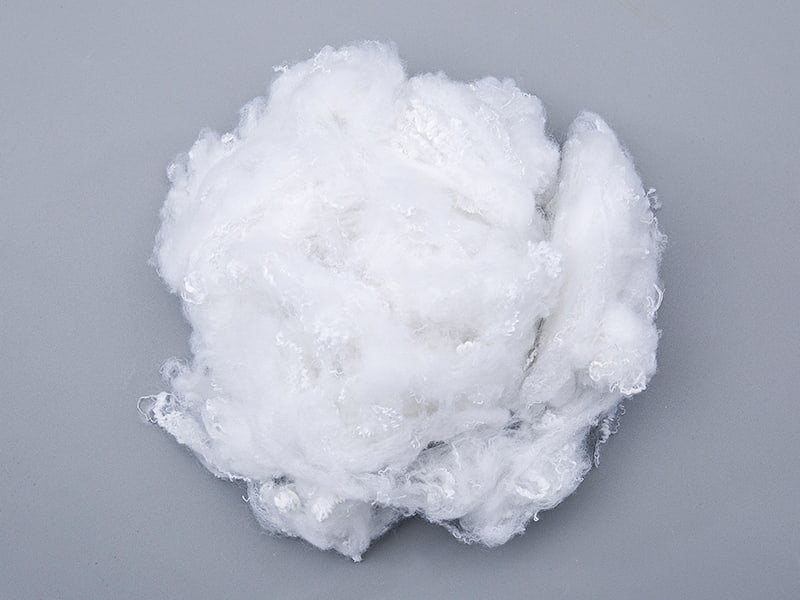
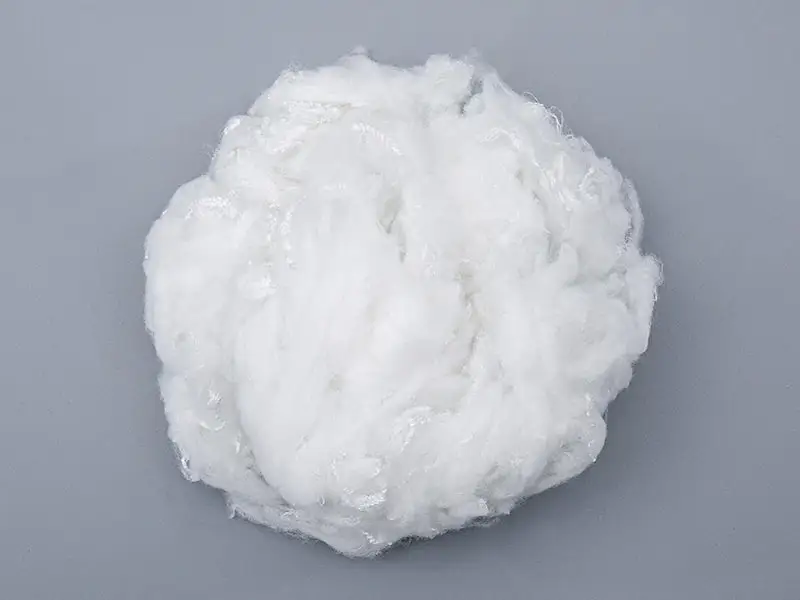
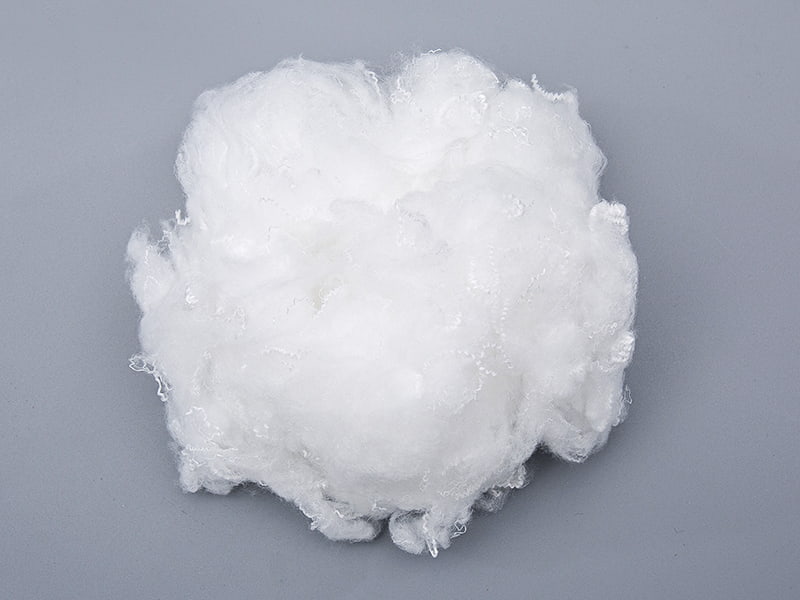
Clear PET flakes are transparent, colorless fragments produced by collecting, sorting, washing, and crushing post-consumer PET bottles. Unlike mixed-color regrind, clear PET flakes retain the optical clarity needed for food-contact packaging, fine denier fiber, and premium bottle-to-bottle recycling.
Clear PET flakes are a recycled polyethylene terephthalate material processed to remove PVC, labels, adhesives, and moisture, leaving a colorless flake typically graded by intrinsic viscosity (IV), bulk density, and contamination rate.
The production sequence runs through five stages: collection, sorting, washing, flaking, and drying. Each stage removes a specific contaminant class, which is why buyers should ask suppliers for stage-by-stage quality data rather than a single finished-product spec sheet.
Purity is the single variable that determines whether a batch of clear PET flakes belongs in food packaging, textile fiber, or industrial strapping. A shift from 99.5 percent to 98 percent purity can push melt viscosity out of spec for fine fiber spinning, even though the flake still looks visually clean.
Colored and mixed flakes cost less per tonne but restrict the final product to opaque or dark-colored applications. The table below summarizes where each material fits.
| Attribute | Clear PET Flakes | Colored PET Flakes |
| Appearance | Transparent, colorless | Mixed or tinted |
| Recycling value | Higher | Lower |
| Typical end use | Bottles, fine fiber, food packaging | Strapping, dark sheet, non-food items |
| Processing flexibility | Wide | Limited |
Selecting the right source for clear PET flakes comes down to four checks, run in sequence before any purchase order is signed.
Ask for the most recent third-party or in-house lab result, not a general spec sheet. PVC contamination above 50 ppm can yellow finished bottles during reheat blow molding.
Bottle applications generally need higher IV than sheet or strapping. Mismatched IV causes inconsistent wall thickness or brittle fiber breaks during spinning.
Hot-washing removes labels and adhesive residue; incomplete drying leaves moisture that hydrolyzes PET during extrusion, cutting molecular weight and mechanical strength.
A supplier with stable monthly output and documented batch-to-batch consistency reduces the retesting burden on your incoming quality control team.
High-purity flakes feed directly back into new beverage bottle preforms, closing the packaging loop.
Fiber-grade flakes are melt-spun into yarn for clothing, filling material, and technical textiles.
Food-grade clarity and low contamination make these flakes suitable for trays and clamshells.
Lower-grade clear flakes still outperform colored regrind in strength and processing stability.
Most bottle-to-bottle applications need an intrinsic viscosity between 0.76 and 0.84 dl/g, since lower values weaken the preform wall during stretch blow molding.
Residual moisture should sit below 0.2 percent prior to reprocessing. Higher levels trigger hydrolytic degradation during melt extrusion.
No. Even properly washed flakes retain surface moisture and require dedicated drying before extrusion, spinning, or injection molding.
Not necessarily. Industrial-grade clear PET flakes cost less and perform adequately for strapping and sheet products where food-contact compliance is not required.
Emon Technology is willing to sincerely join hands with you, cooperate for win-win results, and create brilliance together!
Tel: +86-512-63679088
Email: [email protected]
[email protected]
[email protected]
[email protected]
[email protected]
Add:South of 318 National Highway, Miaotou Village, Meiyan, Wujiang, Jiangsu
Copyright © Suzhou Emon New Material Technology Co., Ltd. All rights reserved.



 English
 中文简体
中文简体 Español