2026.07.31
 Industry Information
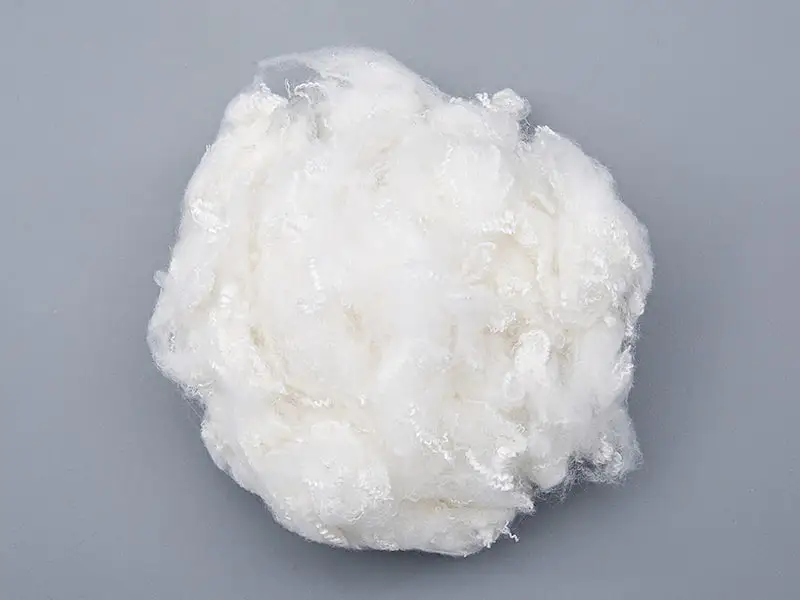
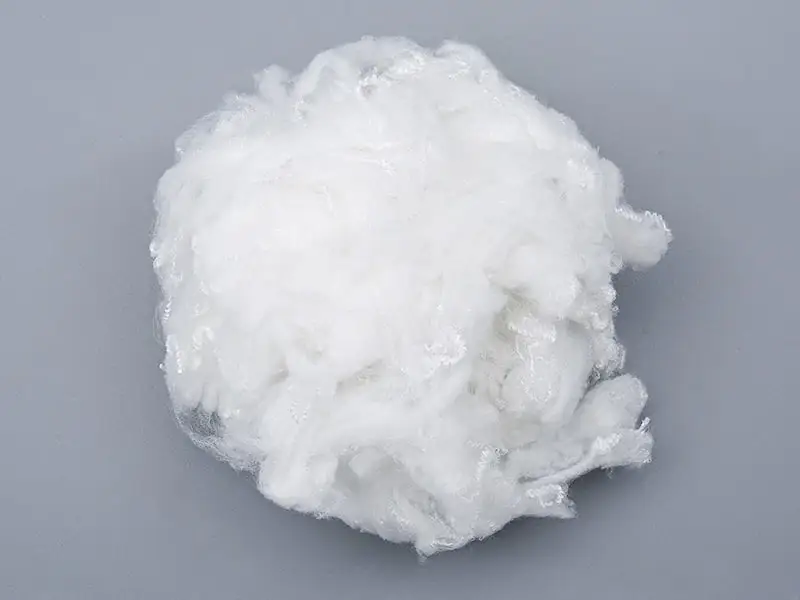
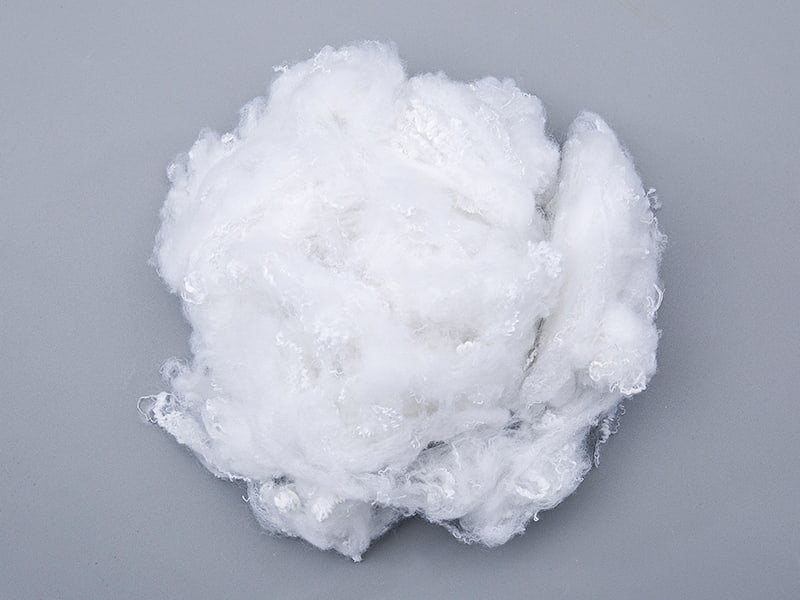
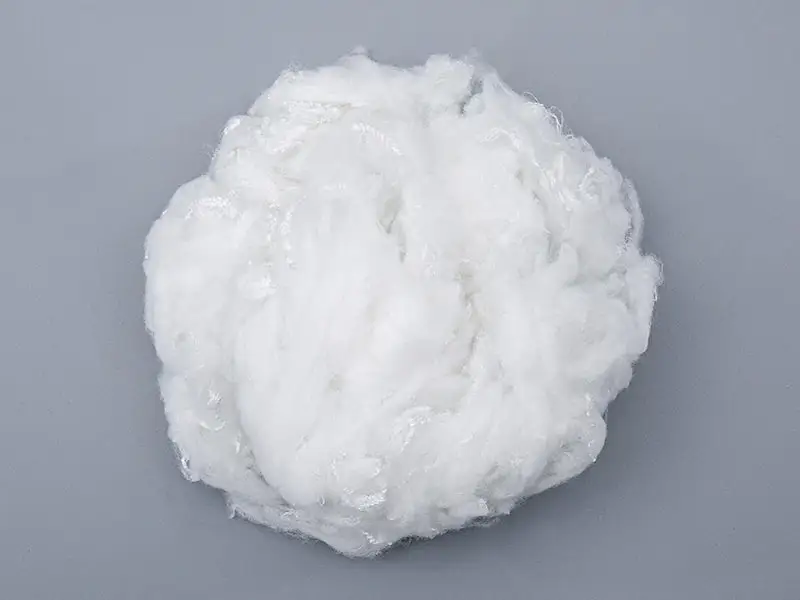
Spun fibers are the starting point of nearly every soft-hand textile on the market, formed by twisting short staple fibers into continuous yarn with the strength and flexibility fabric production demands. This guide covers how the spinning process works, what performance factors separate a reliable fiber supply from an inconsistent one, and how to evaluate specifications before committing to a bulk order.
Spun fibers are textile fibers processed into yarn by twisting short staple fibers together, aligning individual fibers into a continuous structure with improved strength and usability. Common raw materials include cotton, polyester, viscose, nylon, wool, and recycled or blended fiber combinations.
Production follows a fixed sequence, with each stage building on the last to turn loose fiber into usable yarn.
Fiber opening and cleaning
Carding and alignment
Drawing for uniformity
Spinning into yarn
Finishing and inspection
Compared with continuous filament materials, spun fibers offer a distinct set of advantages that keep them central to apparel and home textile production.
Softness, comfort, and flexible processing with economical, versatile material options suited to apparel and home textiles.
Smoothness and high continuity with generally higher tensile consistency, suited to technical and smooth-surface fabrics.
| Specification | Why It Matters |
| Fiber length and fineness | Affects yarn smoothness and spinning performance |
| Yarn count and twist level | Determines fabric weight and structural stability |
| Blending ratio | Balances comfort, strength, and cost across fiber types |
| Tensile strength | Confirms durability for the intended application |
Start with the final fabric's purpose, required comfort level, and durability needs, since apparel and industrial textiles demand very different fiber properties. Evaluate strength, softness, moisture absorption, and blending compatibility against that purpose, then confirm technical specifications: fiber composition, length, fineness, yarn count, and twist level. Finally, assess supplier capability — manufacturing experience, quality management systems, custom blending ability, and supply stability — before placing a production order.
A fiber blend that looks identical on a spec sheet can behave very differently on the loom — always request a physical sample run before locking in a large production order.
Apparel manufacturers rely on spun fibers for shirts, trousers, jackets, and sportswear. Home textile producers use them for bedding, curtains, towels, and upholstery, while industrial textile applications include workwear, protective fabrics, and packaging textiles. Medical and automotive textile producers also depend on spun fiber yarns for hygiene products and interior fabrics.
Spun fibers are made by twisting short staple fibers together, producing a softer texture, while filament fibers are continuous strands that offer smoothness and higher tensile consistency.
Yes, recycled fiber options are increasingly common in spun fiber production, supporting sustainable textile manufacturing goals without sacrificing performance.
Ratios vary by application, but polyester-cotton and polyester-viscose blends are widely used to balance comfort, durability, and cost in apparel manufacturing.
Manufacturers typically test tensile strength, elongation, fiber consistency, moisture performance, and color stability to confirm suitability for the intended textile application.
Emon Technology is willing to sincerely join hands with you, cooperate for win-win results, and create brilliance together!
Tel: +86-512-63679088
Email: [email protected]
[email protected]
[email protected]
[email protected]
[email protected]
Add:South of 318 National Highway, Miaotou Village, Meiyan, Wujiang, Jiangsu
Copyright © Suzhou Emon New Material Technology Co., Ltd. All rights reserved.



 English
 中文简体
中文简体 Español