2026.04.24
 Industry Information
In recent years, there has been a significant shift towards the use of eco-friendly raw materials across various industries. As the global awareness of environmental issues grows, businesses are recognizing the importance of reducing their carbon footprints and embracing sustainable practices. Eco-friendly raw materials, such as recycled polyester and bioplastics, are emerging as game-changers in sectors ranging from manufacturing to packaging.
The concept of eco-friendly raw materials refers to resources that are sourced or processed in a way that has minimal impact on the environment. These materials are either renewable or recyclable and are part of the growing trend towards sustainability. Industries across the board are moving away from traditional, non-renewable materials in favor of those that contribute to a circular economy.
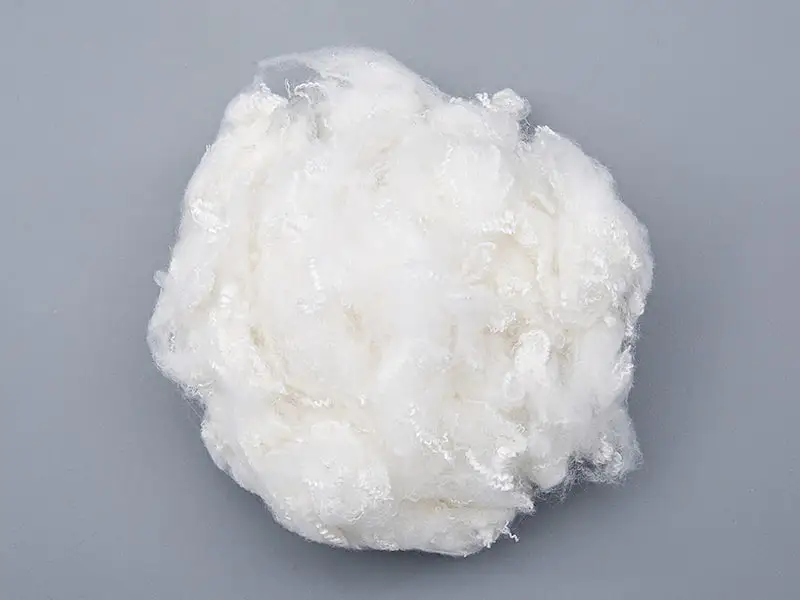
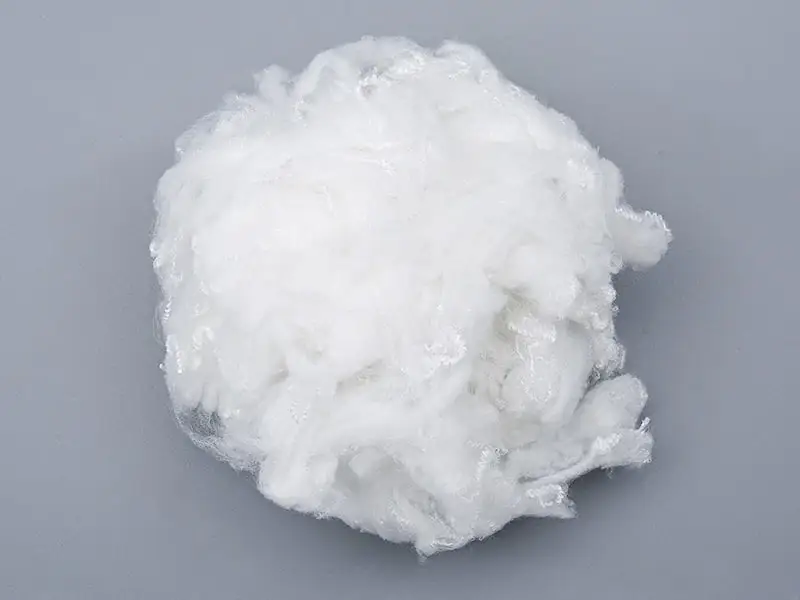
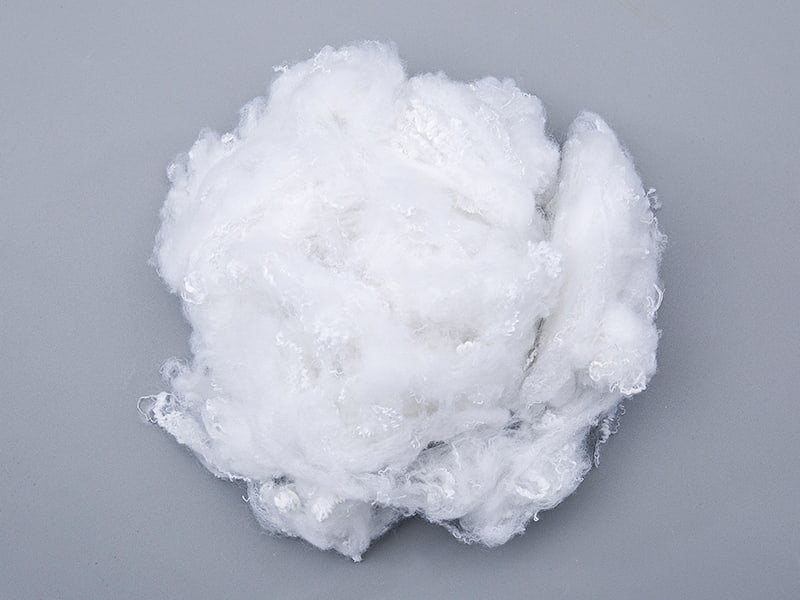
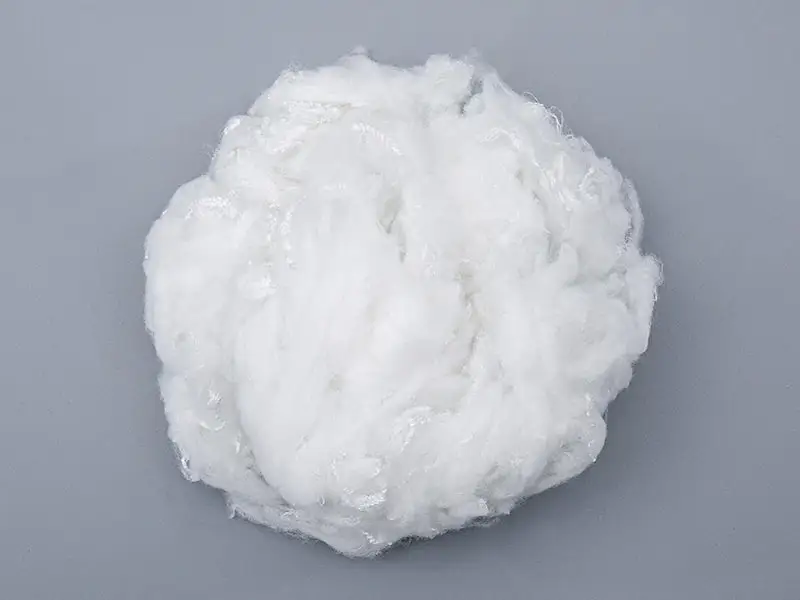
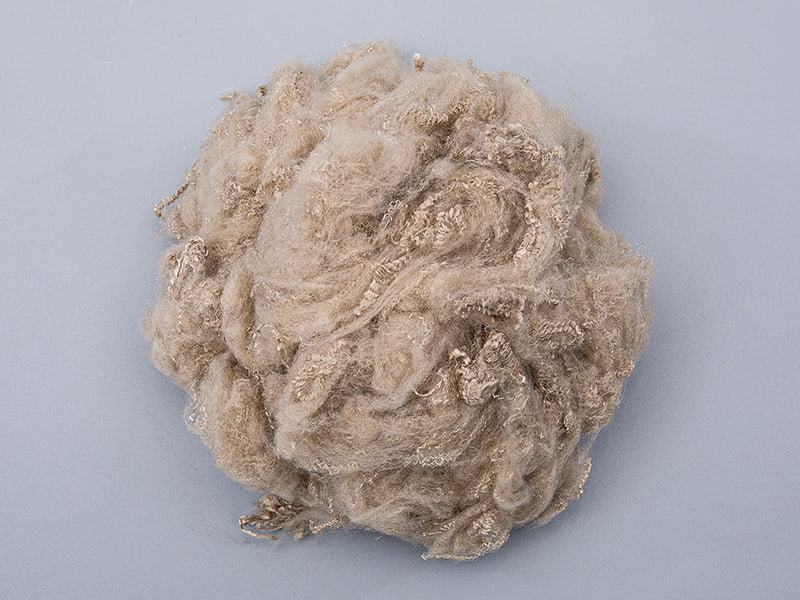
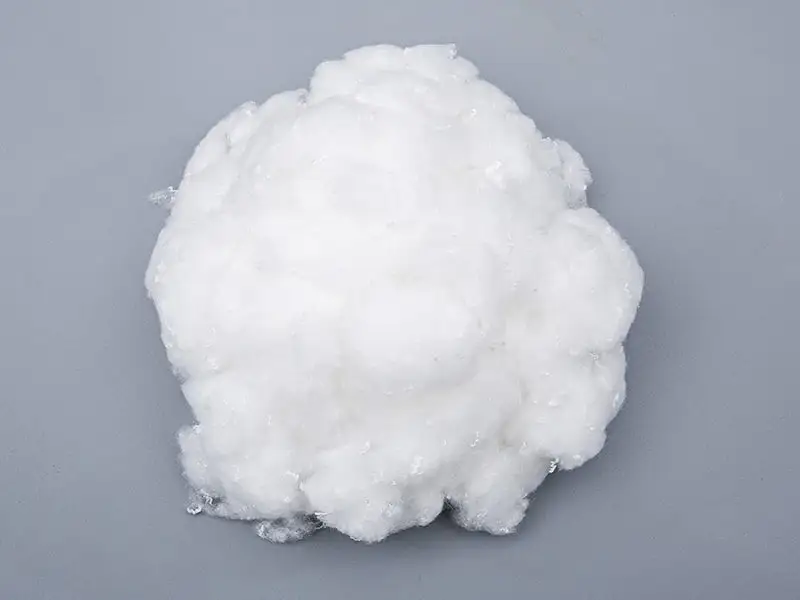
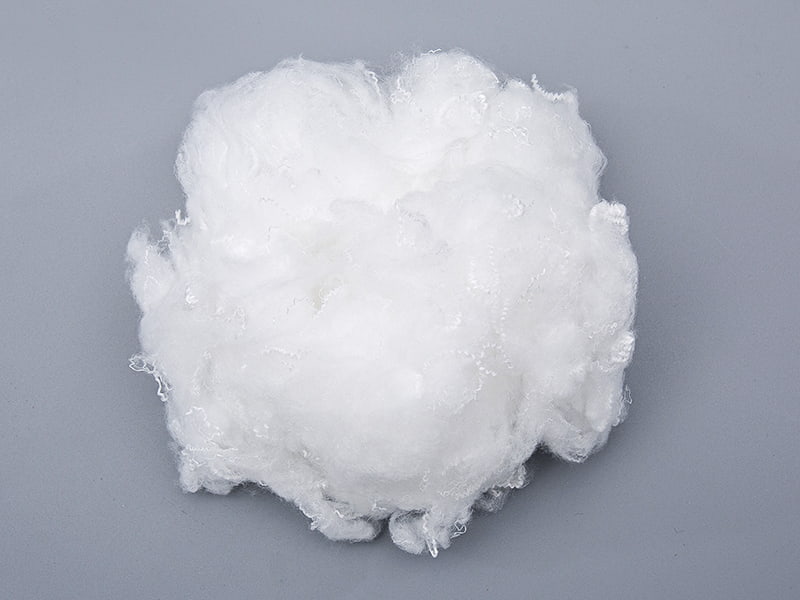
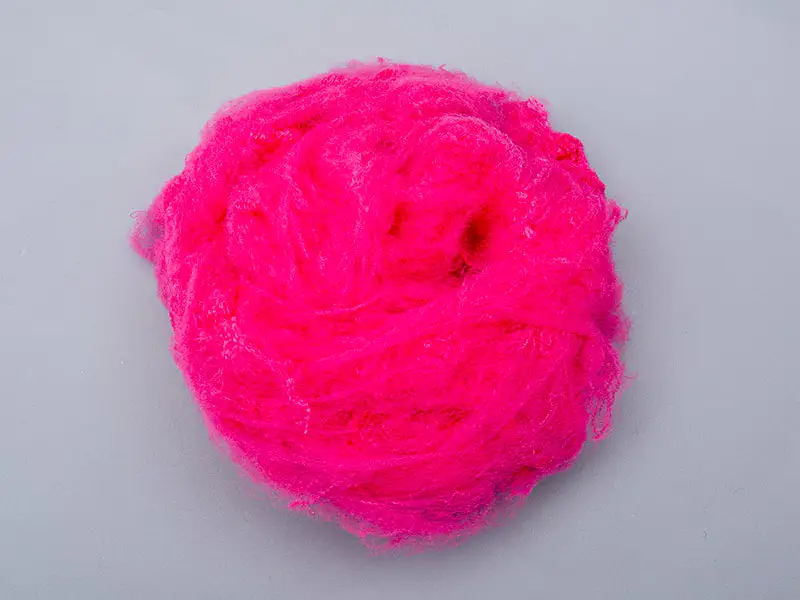
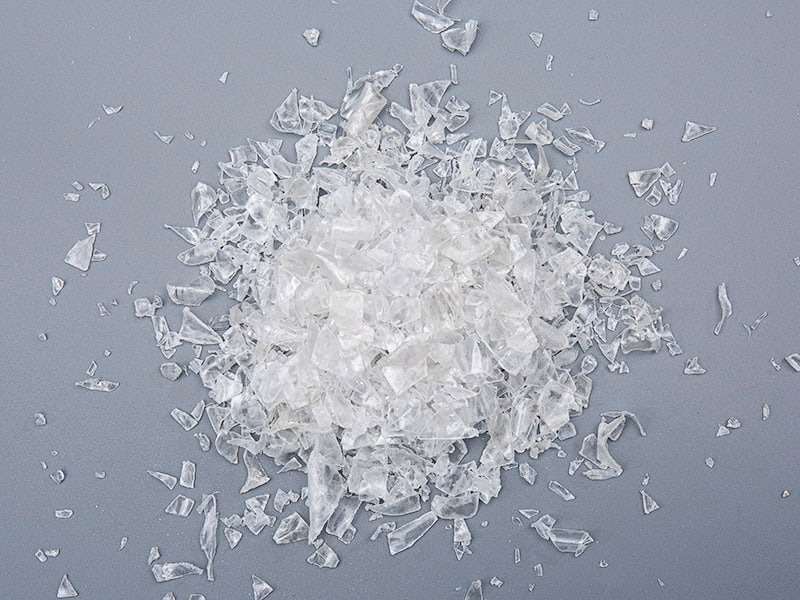
One of the widely used eco-friendly raw materials is recycled polyester, which is derived from waste polyester products such as plastic bottles and textiles. This material offers a sustainable alternative to virgin polyester, reducing the need for petroleum-based resources and significantly lowering greenhouse gas emissions. Recycled polyester, or rPET, is not only versatile but also maintains the same high quality as virgin polyester, making it suitable for a wide range of applications.
Suzhou Emon New Material Technology Co., Ltd. is a producer specializing in recycled and environmentally friendly raw materials. The company focuses on the recycling of polyester (PET) and is dedicated to converting waste polyester materials into high-value recycled PET products, such as polyester bottle sheets, polyester chips, and advanced recycled PET foam. These products find applications across various industries, including packaging, textiles, and building materials.
| Application | Description | Benefits |
|---|---|---|
| Packaging | Used in food, beverage, and pharmaceutical packaging | Lightweight, recyclable, and reduces plastic waste |
| Textiles | Converted into fibers for clothing and fabrics | Reduces reliance on virgin polyester and promotes circularity |
| Building Materials | Used in insulation and construction materials | Sustainable alternative to traditional building materials |
| Automotive | Applied in car interiors and upholstery | Reduces environmental impact and enhances product durability |
One of the significant benefits of using eco-friendly raw materials is the positive environmental impact. By incorporating recycled materials such as rPET, industries are able to reduce waste and lower their carbon footprints. For instance, recycling polyester significantly reduces energy consumption compared to producing virgin polyester. Furthermore, using recycled materials helps divert waste from landfills, contributing to waste reduction and promoting a circular economy.
In addition to environmental benefits, eco-friendly raw materials offer economic advantages. The adoption of sustainable practices can help companies reduce production costs by utilizing waste materials instead of relying on expensive raw materials. For example, recycled PET can be sourced at a lower cost compared to virgin polyester, which requires more energy and raw materials to produce.
Companies such as Suzhou Emon New Material Technology Co., Ltd. have embraced these economic benefits by focusing on advanced sorting, cleaning, drying, and thermoforming technologies for recycled PET foam. This innovative process reduces energy consumption and carbon emissions while converting low-value waste such as waste textiles into high-quality products.
As consumers become more environmentally conscious, their demand for sustainable products has increased. Companies that prioritize eco-friendly raw materials can appeal to these consumers by offering products that align with their values. Brands that invest in sustainability not only meet the growing consumer demand for eco-friendly products but also enhance their corporate reputation.
The concept of a circular economy is integral to the adoption of eco-friendly raw materials. A circular economy aims to keep resources in use for as long as possible, minimizing waste and reducing the consumption of finite resources. Eco-friendly raw materials play a crucial role in this system by ensuring that products can be recycled, reused, or repurposed, thus extending their lifecycle.
Suzhou Emon New Material Technology Co., Ltd.'s focus on recycled polyester and foam is a prime example of how companies are adopting circular economy practices. By turning waste materials into high-value products, the company not only reduces its environmental impact but also contributes to the broader goal of creating a more sustainable economy.
While the benefits of eco-friendly raw materials are clear, there are challenges associated with their widespread adoption. One of the main obstacles is the need for advanced recycling technologies. Recycling processes for materials like polyester can be complex and energy-intensive, requiring significant investment in infrastructure and technology.
Another challenge is the need for consumer education. Many consumers are not yet fully aware of the benefits of eco-friendly raw materials, and there is a need for greater awareness about how these materials contribute to sustainability. Companies must invest in educating their customers about the advantages of eco-friendly products and the role they play in promoting a sustainable future.
1. What are eco-friendly raw materials?
Eco-friendly raw materials are materials that are sourced or processed in ways that minimize environmental impact. These materials are either renewable, recyclable, or both, and contribute to sustainability efforts.
2. What is recycled polyester?
Recycled polyester (rPET) is made from waste polyester materials, such as plastic bottles and textiles. It is a sustainable alternative to virgin polyester and is used in a variety of industries, including packaging, textiles, and building materials.
3. How do eco-friendly raw materials contribute to the circular economy?
Eco-friendly raw materials support the circular economy by promoting the reuse and recycling of materials, reducing waste, and extending the life cycle of products.
4. What are the benefits of using recycled polyester in packaging?
Recycled polyester in packaging reduces plastic waste, lowers energy consumption, and provides a sustainable alternative to virgin polyester, making it a more eco-friendly choice for the packaging industry.
5. Can eco-friendly raw materials help companies reduce costs?
Yes, by using recycled materials, companies can lower production costs by relying on waste products instead of expensive raw materials, all while benefiting from sustainability initiatives.
Emon Technology is willing to sincerely join hands with you, cooperate for win-win results, and create brilliance together!
Tel: +86-512-63679088
Email: [email protected]
[email protected]
[email protected]
[email protected]
[email protected]
Add:South of 318 National Highway, Miaotou Village, Meiyan, Wujiang, Jiangsu
Copyright © Suzhou Emon New Material Technology Co., Ltd. All rights reserved.



 English
 中文简体
中文简体 Español