2026.04.17
 Industry Information
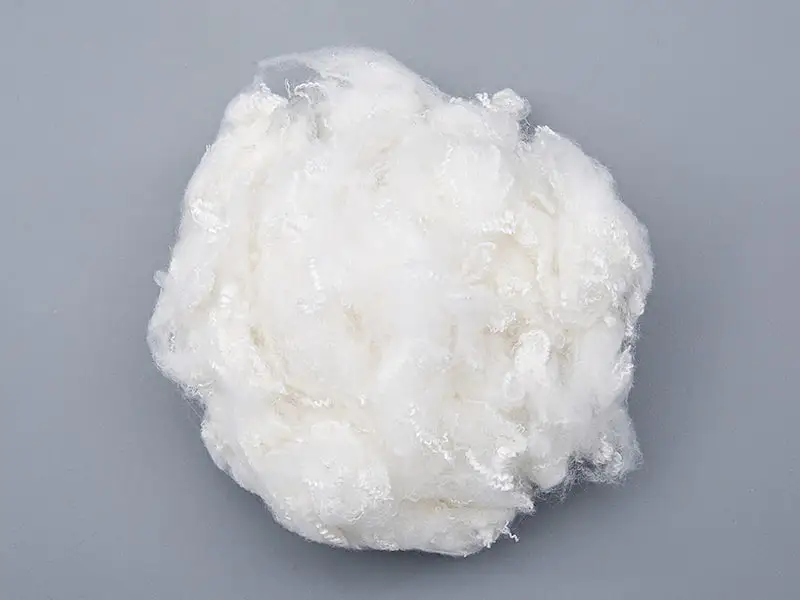
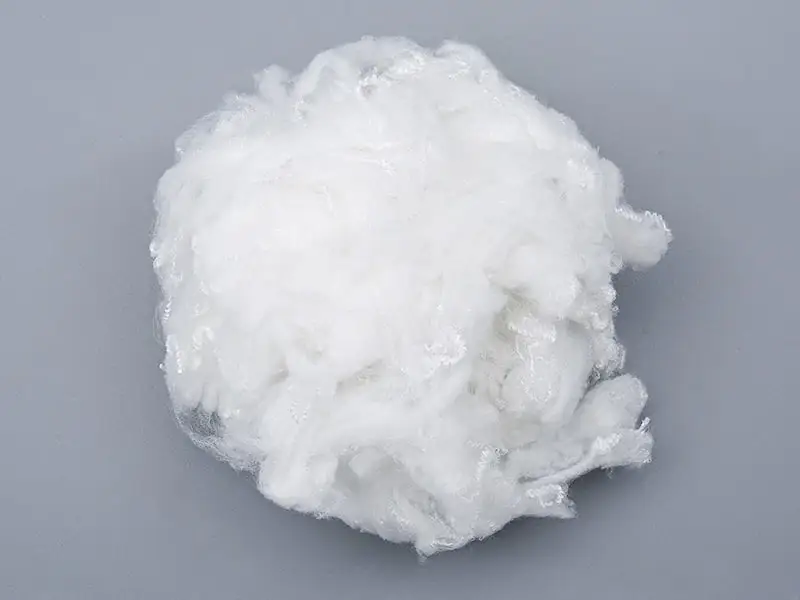
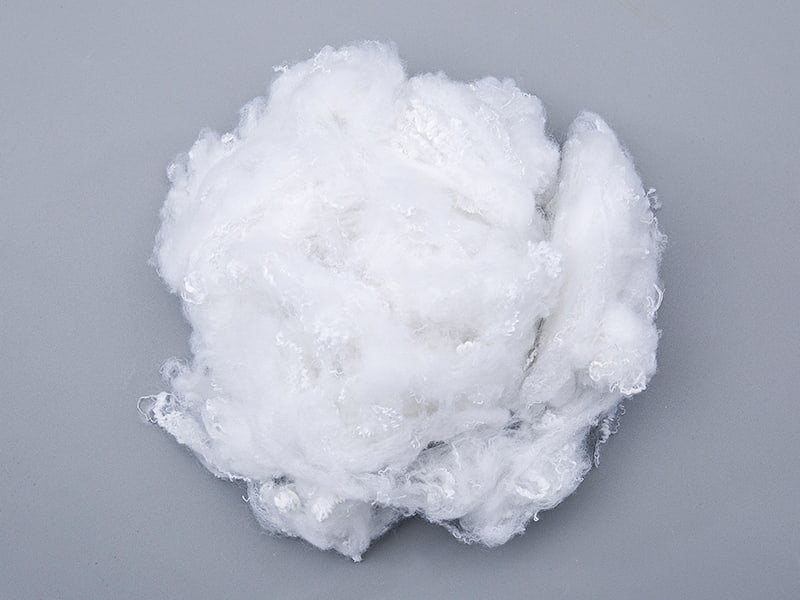
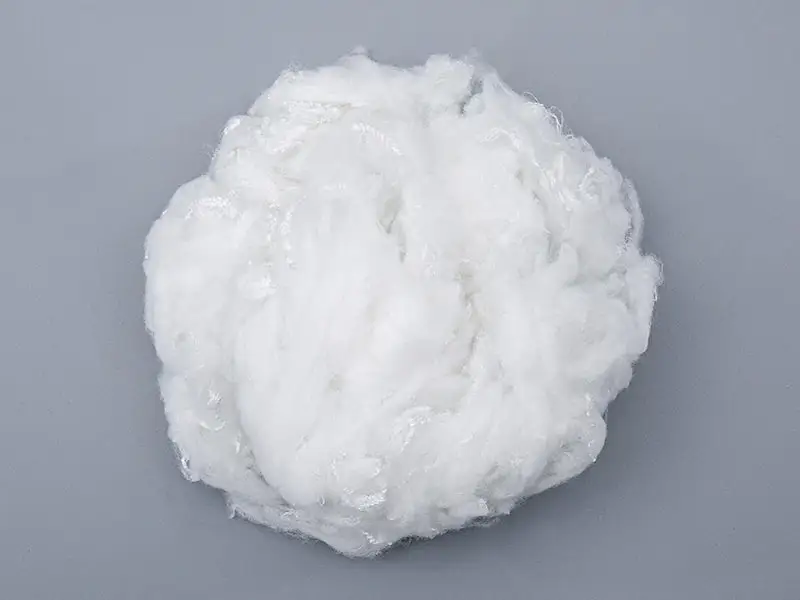
In recent years, the evolution of sportswear has seen significant advancements, not only in terms of style and design but also in functionality. A key player in this revolution is the use of functional textile fibers. These fibers are engineered to provide athletes with enhanced comfort, improved performance, and increased durability during intense physical activities.
Functional textile fibers are designed with specific properties that enhance the performance of fabrics. These fibers are typically produced from synthetic or natural materials, engineered to perform a range of tasks that regular fibers cannot achieve. Some of the notable properties include moisture management, UV protection, antimicrobial functions, and breathability. By incorporating such fibers, sportswear manufacturers can offer garments that are both durable and comfortable for athletes.
Moisture management is one of the crucial aspects of any sportswear. Functional textile fibers with moisture-wicking properties are designed to pull sweat away from the skin and move it to the surface of the fabric, where it can evaporate quickly. This keeps athletes dry and comfortable, reducing the risk of chafing or skin irritation that can occur when sweat accumulates.
A common moisture-wicking fiber is polyester, which is often used in combination with other functional fibers to enhance fabric performance. These fibers are also lightweight, helping to maintain the comfort level of sportswear, even during high-intensity workouts.
Breathability is another critical factor for sportswear, as it ensures that heat and moisture can escape from the body, preventing overheating. Functional textile fibers are engineered to offer breathability without compromising the fabric’s durability. Materials such as nylon, polyester, and spandex are frequently utilized in sportswear to maintain a balance between comfort and functionality. These fibers help regulate the body temperature, especially during aerobic activities like running, cycling, or gym workouts.
Breathable sportswear allows for increased air circulation, preventing the buildup of sweat on the skin’s surface, which can be uncomfortable and chafing. This is particularly important for athletes engaged in endurance sports, as it helps to maintain peak performance levels.
When it comes to sportswear, athletes often deal with bacteria, which thrive in warm and sweaty environments. Functional textile fibers with antimicrobial properties help mitigate the growth of bacteria on fabric surfaces. This not only prevents the accumulation of unpleasant odors but also keeps the garment cleaner for longer periods.
Antimicrobial fibers are often used in base layers and performance fabrics, as they actively fight bacteria that can cause skin irritation or infections. By incorporating these fibers, sportswear brands provide athletes with garments that remain fresh and comfortable, even after hours of use.
Sportswear designed with UV-blocking functional fibers provides essential protection against the sun’s harmful ultraviolet rays. These fibers are treated or constructed in a way that prevents UV radiation from penetrating the fabric, safeguarding the skin from sunburns or long-term damage. Athletes who participate in outdoor activities such as running, cycling, or tennis benefit significantly from this additional layer of protection.
Incorporating UV-protective fibers into sportswear not only offers comfort and protection but also enhances the longevity of the garment by preventing the fabric from degrading due to UV exposure.
Sportswear must provide flexibility to allow free movement during exercise. Functional textile fibers like spandex or elastane are known for their stretchability, providing athletes with the necessary range of motion while maintaining the garment’s shape. These fibers stretch with the body, offering comfort and preventing the fabric from becoming tight or restrictive during physical exertion.
In addition to comfort, the flexibility of these fibers ensures that the garment stays in place, providing support to areas that require it without constricting the body.
The durability of sportswear is an important consideration, especially for athletes who engage in frequent training or competition. Functional textile fibers are designed to withstand rigorous activities, including repeated stretching, washing, and exposure to the elements. Fabrics made from nylon, polyester, and acrylic fibers are known for their high tensile strength and resistance to wear and tear, ensuring that sportswear maintains its performance characteristics over time.
By integrating these durable fibers into their designs, manufacturers can create sportswear that is long-lasting and capable of withstanding the harsh conditions of regular use.
The integration of functional textile fibers into sportswear has dramatically enhanced both comfort and performance for athletes. With their ability to regulate moisture, provide breathability, reduce odor, offer UV protection, and ensure flexibility, these fibers make sportswear more functional and durable.
1. What are functional textile fibers?
Functional textile fibers are materials engineered with special properties, such as moisture-wicking, breathability, antimicrobial functions, and UV protection, to enhance the performance of sportswear.
2. How do moisture-wicking fibers work in sportswear?
Moisture-wicking fibers draw sweat away from the skin and move it to the surface of the fabric, where it evaporates, helping athletes stay dry and comfortable during physical activity.
3. Can functional textile fibers prevent odor?
Yes, many functional textile fibers have antimicrobial properties that inhibit the growth of bacteria, preventing the buildup of odor caused by sweat.
4. Are functional textile fibers breathable?
Yes, functional textile fibers are designed to promote airflow, helping to regulate body temperature and prevent overheating during intense exercise.
5. Why are UV-protective fibers important in sportswear?
UV-protective fibers block harmful ultraviolet rays from the sun, helping to protect the skin from sunburns and long-term damage during outdoor activities.
Emon Technology is willing to sincerely join hands with you, cooperate for win-win results, and create brilliance together!
Tel: +86-512-63679088
Email: [email protected]
[email protected]
[email protected]
[email protected]
[email protected]
Add:South of 318 National Highway, Miaotou Village, Meiyan, Wujiang, Jiangsu
Copyright © Suzhou Emon New Material Technology Co., Ltd. All rights reserved.



 English
 中文简体
中文简体 Español