2026.03.05
 Industry Information
Sustainable manufacturing is becoming increasingly important as industries seek to minimize their environmental footprint while still producing high-quality products. One of the key drivers of this shift is the use of eco-friendly raw materials. These materials not only contribute to reducing waste and pollution but also play a crucial role in supporting the overall sustainability of the manufacturing process.
In recent years, the world has witnessed a surge in environmental consciousness, and businesses are under increasing pressure to adopt sustainable practices. The manufacturing sector, which has traditionally been one of the resource-intensive industries, is now focusing on reducing its environmental impact. Sustainable manufacturing involves designing processes that minimize waste, use renewable energy, and incorporate eco-friendly raw materials into production.
Eco-friendly raw materials are those that have a lower environmental impact during their production, use, and disposal. These materials are often derived from renewable resources, recyclable materials, or waste products, and they help reduce the strain on natural resources.
Eco-friendly raw materials encompass a wide range of materials that are sourced or processed with minimal environmental impact. These materials include recycled and renewable resources such as recycled plastics, organic fibers, biopolymers, and plant-based materials. One of the notable examples of eco-friendly raw materials is recycled polyester (PET).
| Material | Source | Application | Environmental Benefit |
|---|---|---|---|
| Recycled Polyester (PET) | Recycled plastic bottles | Packaging, textiles, automotive parts | Reduces plastic waste, conserves petroleum resources |
| Bamboo | Fast-growing grass | Flooring, furniture, textiles | Renewable, biodegradable, low-carbon footprint |
| Organic Cotton | Non-GMO cotton plants | Apparel, textiles, bedding | Reduces water consumption, pesticide use |
| Biodegradable Plastics | Corn, potatoes, sugarcane | Packaging, single-use items | Degrades naturally, reducing landfill waste |
Using eco-friendly raw materials is central to achieving sustainable manufacturing goals. These materials can be integrated into the production process to reduce the need for virgin resources and minimize the energy required to process them.
Reduced Resource Depletion: Eco-friendly raw materials reduce the need for new, non-renewable resources such as petroleum, minerals, and metals.
Lower Carbon Footprint: By reducing the energy consumption associated with material extraction and processing, eco-friendly raw materials help decrease carbon emissions.
Waste Reduction: Many eco-friendly raw materials are sourced from waste products, such as recycled plastics, textiles, and paper, reducing the amount of waste that ends up in landfills.
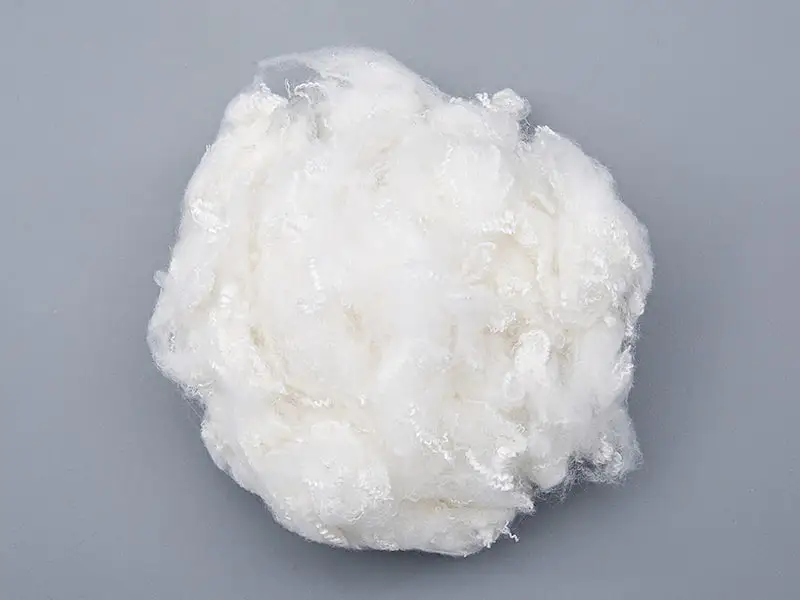
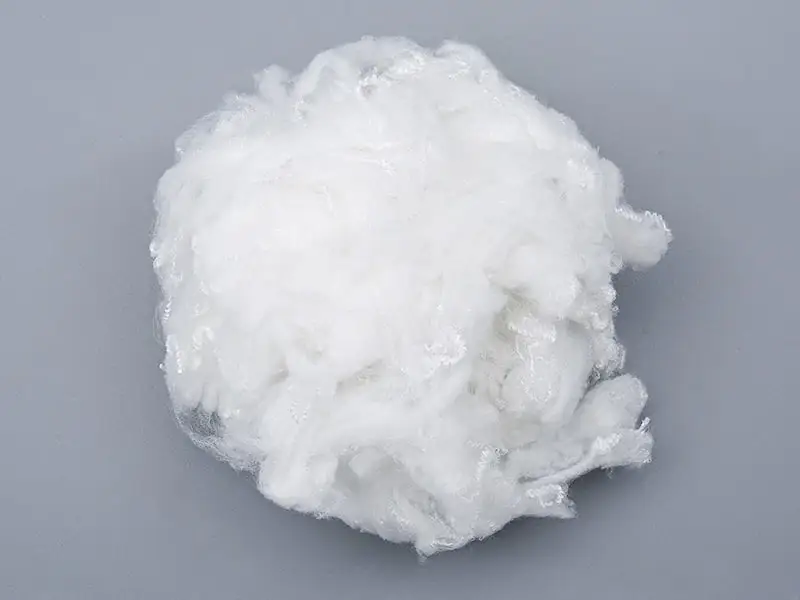
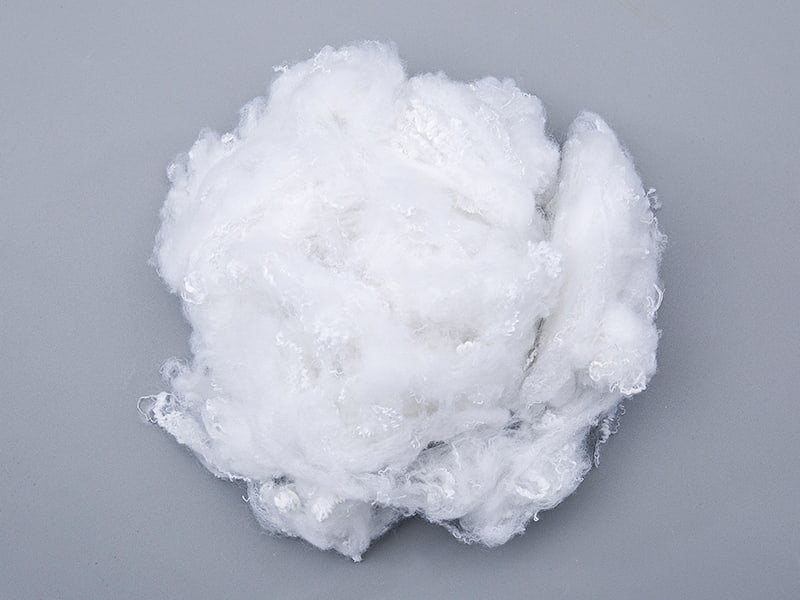
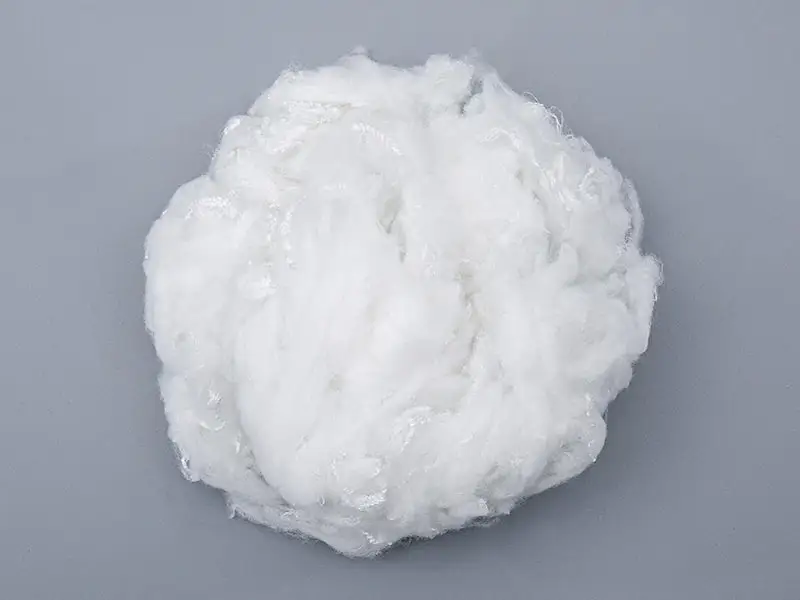
One notable example of an eco-friendly raw material is recycled polyester (PET). Recycled PET is made from post-consumer plastic waste, such as bottles, which are cleaned, processed, and turned into new products such as polyester fibers, bottles, and sheets. The benefits of using recycled PET in manufacturing include:
Conservation of Resources: Recycled PET reduces the need for new plastic production, conserving oil and natural gas.
Energy Efficiency: The production of recycled PET requires less energy compared to producing virgin polyester, reducing greenhouse gas emissions.
Reduced Plastic Waste: By repurposing plastic bottles, recycled PET helps divert waste from landfills and the ocean.
The integration of eco-friendly raw materials into manufacturing processes provides numerous environmental benefits. These materials contribute to a circular economy by extending the lifecycle of materials, reducing waste, and conserving natural resources. Let’s explore some of the key environmental advantages.
One of the significant environmental impacts of using eco-friendly raw materials is the reduction in greenhouse gas emissions. Manufacturing with recycled materials like PET or bio-based plastics generally requires less energy than using virgin raw materials. For example, producing recycled polyester results in up to 50% lower carbon emissions compared to using virgin polyester.
Eco-friendly raw materials, such as recycled plastic and biodegradable plastics, help reduce the amount of waste sent to landfills. By recycling materials, manufacturers not only reduce waste but also lower the environmental impact of waste disposal, which can contribute to water and soil pollution.
The production of many eco-friendly raw materials, particularly bioplastics, uses significantly less water than traditional materials. For example, the water footprint of bamboo production is much lower than that of cotton or synthetic fibers, making it a sustainable alternative.
The use of eco-friendly raw materials is not limited to a single industry. From packaging to textiles, automotive manufacturing to construction, these materials are finding applications across various sectors. Below are some of the industries that are increasingly incorporating eco-friendly raw materials into their manufacturing processes.
Packaging is one of the largest consumers of plastic worldwide, and the demand for eco-friendly packaging materials is growing. Companies are shifting to recyclable materials like PET, biodegradable plastics, and paper-based products to reduce plastic waste. Recycled PET, in particular, is widely used in packaging for beverages, food, and cosmetics.
The textile industry is another sector that heavily relies on raw materials. Conventional textiles, such as polyester, are often produced from petroleum-based resources. However, eco-friendly alternatives like organic cotton, recycled polyester, and bamboo fabrics are gaining popularity due to their lower environmental impact.
The automotive industry is also embracing eco-friendly raw materials to make vehicles more sustainable. Recycled plastics, bio-based materials, and natural fibers are being used in car interiors, including seats, upholstery, and dashboard components. These materials not only reduce the environmental impact of production but also help manufacturers meet stricter emissions standards.
The construction sector is incorporating eco-friendly raw materials in building insulation, flooring, and structural components. Recycled steel, reclaimed wood, and sustainable concrete are just a few examples of materials that reduce the environmental impact of construction projects.
While the benefits of eco-friendly raw materials are clear, there are still challenges in implementing these materials at scale. Some of these challenges include:
Higher Initial Costs: In some cases, eco-friendly materials can be more expensive than their traditional counterparts, particularly when the supply chain is not yet fully established.
Limited Availability: Sustainable raw materials may not be readily available in all regions, limiting their use in certain manufacturing processes.
Processing Challenges: Some eco-friendly materials, such as recycled plastics, can be more challenging to process compared to virgin materials, requiring specialized equipment or new manufacturing techniques.
Eco-friendly raw materials play a critical role in advancing sustainable manufacturing. By reducing the consumption of non-renewable resources, minimizing waste, and lowering greenhouse gas emissions, these materials contribute significantly to the overall sustainability of production processes.
Q1: What are some examples of eco-friendly raw materials?
Eco-friendly raw materials include recycled PET, bamboo, organic cotton, biodegradable plastics, and plant-based fibers.
Q2: How does using eco-friendly raw materials help reduce carbon emissions?
Eco-friendly raw materials, such as recycled PET, require less energy to produce than virgin materials, which helps reduce greenhouse gas emissions during the manufacturing process.
Q3: Can eco-friendly raw materials be used in all industries?
Yes, eco-friendly raw materials are being used in a wide range of industries, including packaging, textiles, automotive, and construction, to make production processes more sustainable.
Q4: Are there any challenges to using eco-friendly raw materials?
Challenges include higher initial costs, limited availability, and the need for specialized processing equipment, although these issues are gradually being addressed.
Emon Technology is willing to sincerely join hands with you, cooperate for win-win results, and create brilliance together!
Tel: +86-512-63679088
Email: [email protected]
[email protected]
[email protected]
[email protected]
[email protected]
Add:South of 318 National Highway, Miaotou Village, Meiyan, Wujiang, Jiangsu
Copyright © Suzhou Emon New Material Technology Co., Ltd. All rights reserved.



 English
 中文简体
中文简体 Español