2026.02.25
 Industry Information
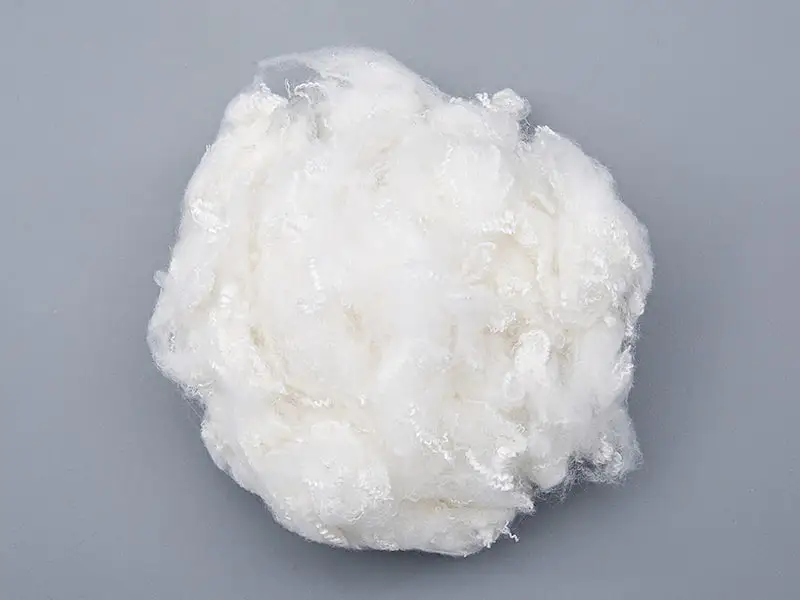
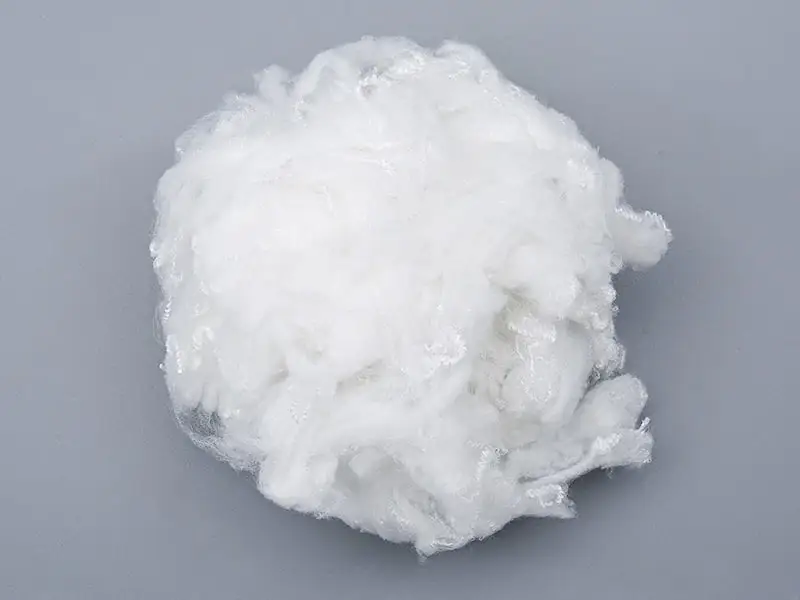
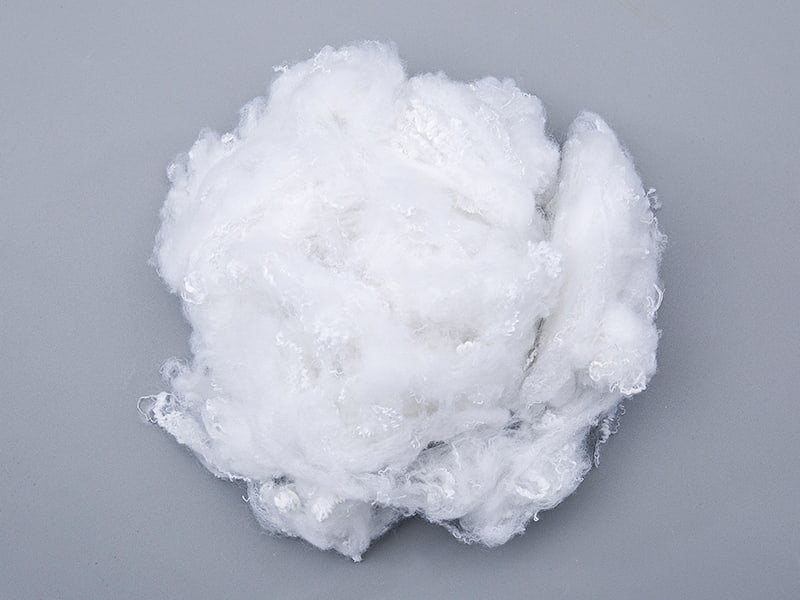
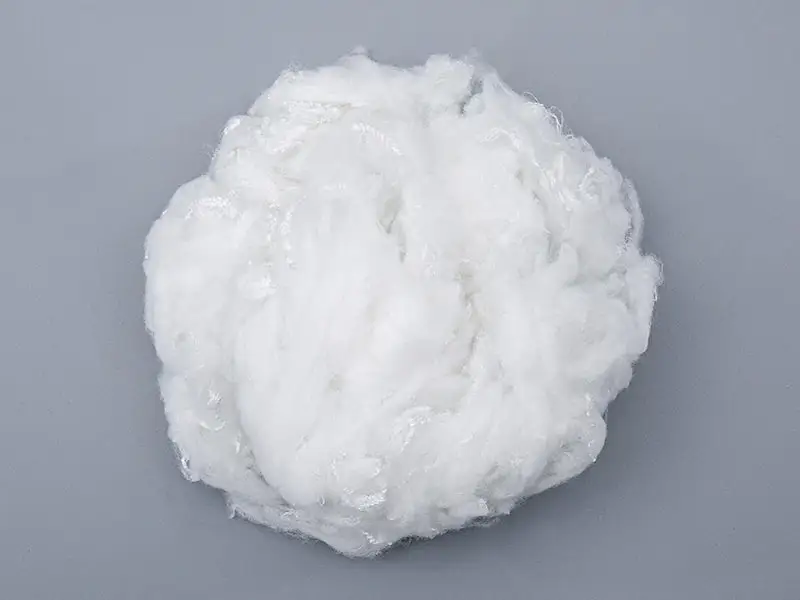
In today’s rapidly evolving world, sustainability has become a core focus in the manufacturing of consumer goods. Industries are constantly seeking materials that not only serve functional purposes but also align with eco-conscious values. Nonwoven fibers, as a type of nonwoven fabric material, have emerged as a solution for environmentally friendly products due to their unique production process and versatile applications.
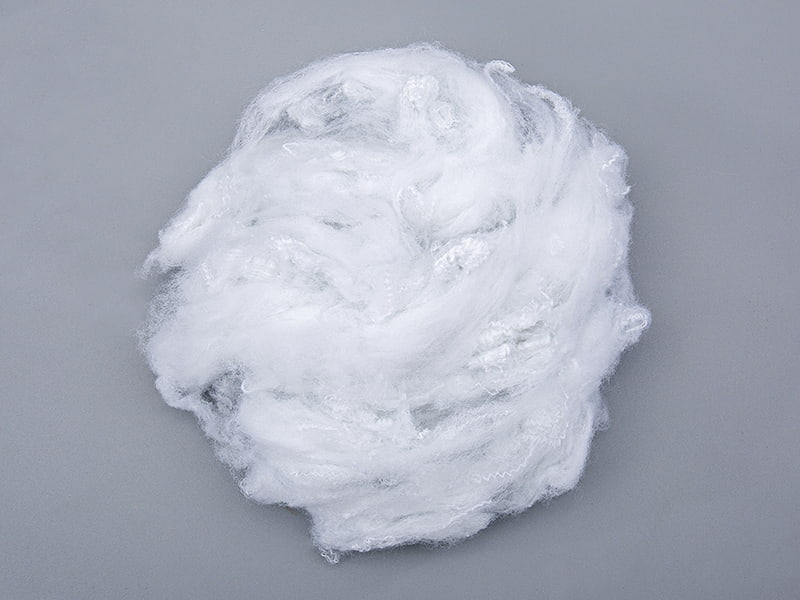
Nonwoven fibers differ from traditional woven or knitted fabrics in that they do not require the warp and weft interweaving steps in textile manufacturing. Instead, they are produced by directly bonding fibers together using chemical, physical, or mechanical methods. These fibers are typically stacked, entangled, or bonded to form sheet or mesh-like structures that offer specific strengths, flexibility, and durability. The production process can include techniques like combing, mesh laying, and reinforcement to ensure precise fiber arrangement and bonding.
Due to the efficient production methods used, nonwoven fibers can be tailored to suit different applications, offering both functional benefits and an environmentally friendly manufacturing process.
Sustainable Manufacturing Process
One of the main reasons nonwoven fibers are favored for eco-friendly products is their sustainable production process. Traditional textile manufacturing requires extensive water usage, chemical treatments, and energy consumption. In contrast, nonwoven fibers often require fewer resources and can be produced with reduced water and energy usage. The process eliminates the need for weaving or knitting, minimizing waste generation. Additionally, many nonwoven fibers can be made from recycled materials, further enhancing their environmental benefits.
Biodegradability and Compostability
Nonwoven fibers are often made from biodegradable materials like plant-based fibers, such as jute, cotton, and bamboo, or synthetic fibers that can be designed to break down more quickly than conventional plastics. This makes nonwoven products an ideal choice for industries aiming to reduce their carbon footprint and create products that do not contribute to long-term environmental damage.
Lightweight and Efficient Use of Resources
Nonwoven fibers are typically lighter and more cost-effective to produce than woven materials, which require additional processes like spinning and weaving. The lightweight nature of nonwoven fabrics also contributes to less resource usage during transportation, helping to further reduce environmental impact. This makes nonwoven fibers a prime choice for eco-friendly products that require both performance and sustainability.
Versatility in Applications
Nonwoven fibers are incredibly versatile and can be used in a wide range of applications. From hygiene products like surgical gowns, bandages, and face masks to industrial materials like filtration fabrics, automotive interiors, and agricultural coverings, nonwoven fibers provide a sustainable alternative to traditional materials. Their adaptability allows them to meet performance requirements in various industries, reducing the need for materials that have a higher environmental impact.
Nonwoven fibers have a diverse range of applications, contributing to the development of numerous eco-friendly products across various industries:
| Application Area | Product Examples | Environmental Benefit |
|---|---|---|
| Medical & Hygiene | Surgical gowns, face masks, bandages | Reduces waste, can be biodegradable or recyclable |
| Home Decoration | Wall coverings, curtains, upholstery | Long-lasting, reduces waste, and can be recycled |
| Industrial Filtration | Filter fabrics, absorbent materials | Low energy production, enhances filtration efficiency |
| Agricultural Applications | Crop covers, ground protection fabrics | Biodegradable options for sustainable agriculture |
| Building Materials | Waterproof membranes, insulation materials | Energy-efficient, recyclable, or compostable |
Reduced Environmental Impact
Nonwoven fibers are produced with a significantly lower environmental impact than traditional fabrics. The absence of water-intensive dyeing processes, reduced energy consumption during manufacturing, and the ability to use recycled fibers all contribute to a smaller ecological footprint. With growing concerns about climate change, companies are increasingly turning to nonwoven fibers as part of their sustainability initiatives.
Cost-Effectiveness and Efficiency
Nonwoven fibers offer performance at a lower cost compared to traditional woven fabrics. The production process is typically simpler and more efficient, making nonwoven fabrics a more affordable option for manufacturers. Additionally, the reduced weight of nonwoven products translates to savings in transportation costs and a lower carbon footprint.
Customization and High Performance
Nonwoven fibers can be customized to meet specific requirements. Whether it is the strength, flexibility, absorbency, or texture of the fabric, manufacturers can control the properties of nonwoven materials to suit a wide range of applications. This makes nonwoven fibers a choice for products that require a balance of performance and environmental consciousness.
Market Demand for Eco-Friendly Products
As consumer awareness of environmental issues grows, there is a significant demand for eco-friendly products. Nonwoven fibers cater to this demand by offering manufacturers a sustainable material that meets both consumer expectations and regulatory standards. Whether used in hygiene, industrial, or construction products, nonwoven fibers provide a viable solution to the eco-conscious market.
While nonwoven fibers offer many advantages for eco-friendly products, there are still challenges to overcome:
Nonwoven fibers are a choice for eco-friendly products, offering numerous advantages such as a sustainable manufacturing process, biodegradability, versatility, and cost-effectiveness. With applications across various industries—from medical and hygiene to agriculture and construction—nonwoven fibers are rapidly becoming a key material in the movement towards a more sustainable future.
1. What are nonwoven fibers made from?
Nonwoven fibers are made from various materials, including synthetic fibers like polyester and polypropylene, as well as natural fibers such as cotton, bamboo, and jute.
2. Are nonwoven fibers biodegradable?
Many nonwoven fibers are biodegradable, especially those made from natural materials. However, synthetic nonwoven fibers may require specialized recycling methods.
3. What industries benefit from nonwoven fibers?
Nonwoven fibers are used in various industries, including healthcare, automotive, agriculture, construction, and home décor, due to their versatility and eco-friendly properties.
4. How do nonwoven fibers contribute to sustainability?
Nonwoven fibers contribute to sustainability by reducing resource consumption during manufacturing, offering biodegradable options, and being recyclable in certain cases.
5. Can nonwoven fibers be recycled?
Yes, nonwoven fibers can be recycled, particularly those made from synthetic materials like polypropylene. However, biodegradable fibers are often compostable rather than recyclable.
Emon Technology is willing to sincerely join hands with you, cooperate for win-win results, and create brilliance together!
Tel: +86-512-63679088
Email: [email protected]
[email protected]
[email protected]
[email protected]
[email protected]
Add:South of 318 National Highway, Miaotou Village, Meiyan, Wujiang, Jiangsu
Copyright © Suzhou Emon New Material Technology Co., Ltd. All rights reserved.



 English
 中文简体
中文简体 Español