2026.01.01
 Industry Information
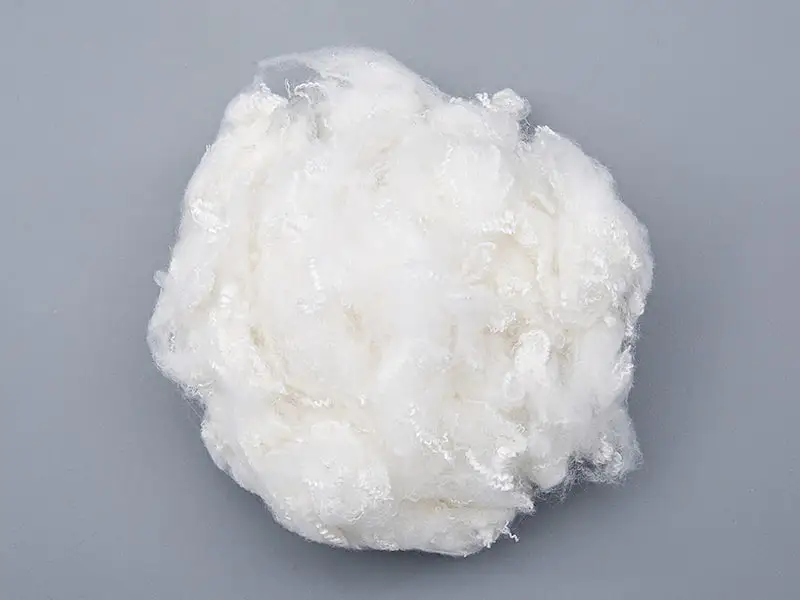
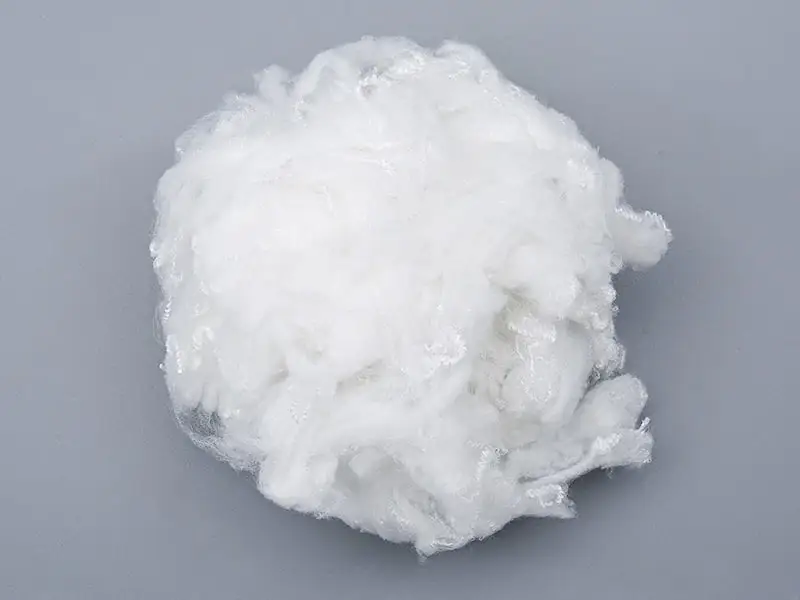
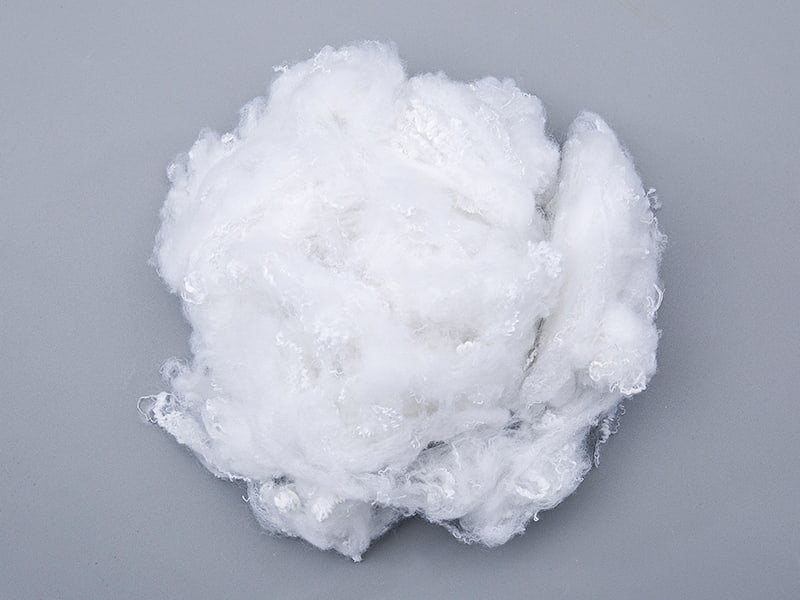
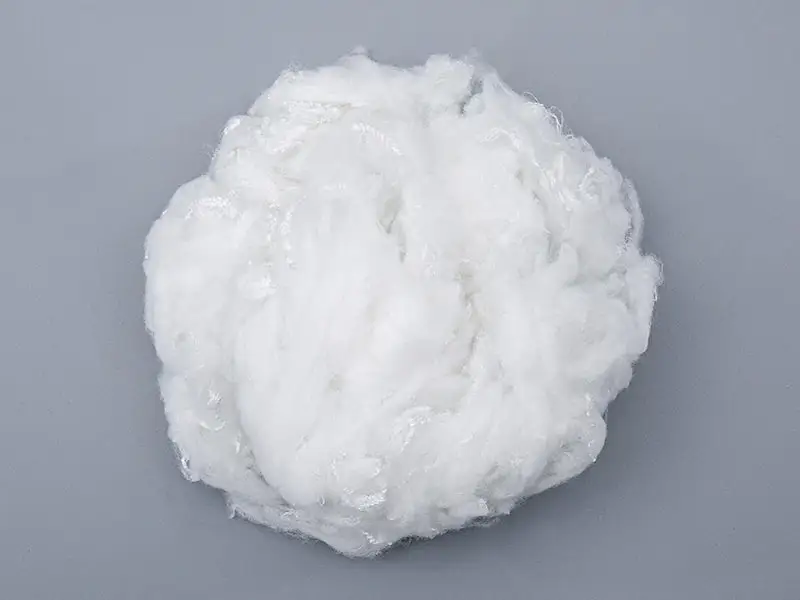
The textile industry constantly seeks innovative solutions to improve the performance, durability, and aesthetic qualities of its products. One such innovation is the use of Specialty Fibers, which offer numerous advantages over traditional fibers. These fibers are created using precision spinneret technology, allowing for the production of fibers with non-circular cross-sections such as triangular, star-shaped, multi-lobed, and hollow designs. These unique geometries enhance the fibers’ surface area, resulting in textiles with properties.
Specialty fibers refer to fibers that are engineered for specific performance characteristics, achieved by manipulating their shape, structure, and surface area. Unlike conventional round fibers, specialty fibers are often created with irregular cross-sections, which directly impact their physical properties and how they perform in various industrial applications. These fibers are commonly used in fabrics that require durability, breathability, and resistance to wear and tear, among other benefits.
Increased Surface Area: Specialty fibers provide a larger surface area than traditional round fibers. This increased surface area leads to better fabric coverage, reduced transparency, and an enhanced ability to trap air, improving the insulation properties of the fabric.
Enhanced Durability: The unique geometry of specialty fibers significantly reduces pilling and fuzzing, common issues with round fibers. Their increased surface area also enhances fiber-to-fiber entanglement, improving fabric durability and resistance to abrasion.
Improved Comfort and Breathability: The complexity of their cross-sections leads to enhanced fluffiness and breathability, which results in a more comfortable wearing experience. These fibers allow better air circulation, making them suitable for applications that require moisture management and cooling.
Specialty fibers are widely used across various industrial sectors, where their unique properties offer specific advantages. Below are some key applications:
| Industry | Application of Specialty Fibers | Benefits |
|---|---|---|
| Apparel and Fashion | Used in high-performance fabrics for activewear, workwear, and technical clothing. | Enhanced durability, moisture-wicking properties, and comfort. |
| Automotive | Used in seat covers, airbag fabrics, and filtration materials. | Superior strength, resistance to wear, and improved safety features. |
| Construction | Incorporated into geotextiles for soil reinforcement and erosion control fabrics. | High tensile strength, durability, and resistance to environmental factors. |
| Medical Textiles | Used in wound dressings, bandages, and surgical drapes. | Biocompatibility, breathability, and resistance to microbial growth. |
The production of specialty fibers involves advanced spinneret technology, which enables the creation of fibers with intricate, non-circular cross-sections. These fibers are typically produced by extruding a polymer through a spinneret with multiple holes, designed to produce complex shapes. The common shapes include:
The result is a fiber that performs better in specific applications and offers properties compared to traditional round fibers.
Superior Surface Area: The increased surface area of specialty fibers leads to better fabric coverage and opacity, especially in applications like protective clothing and industrial fabrics.
Enhanced Durability: By reducing issues like pilling, fuzzing, and abrasion, these fibers ensure long-lasting textile products with consistent performance.
Comfort: The breathability and softness of fabrics made from specialty fibers improve comfort, which is essential for workwear and activewear.
Eco-friendly: Specialty fibers often require fewer resources to produce due to their enhanced performance, resulting in a more sustainable product lifecycle.
1. What are specialty fibers?
Specialty fibers are fibers that are engineered to have non-circular cross-sections and are designed to enhance specific performance characteristics such as durability, breathability, and surface area.
2. How are specialty fibers different from traditional fibers?
Unlike traditional round fibers, specialty fibers feature irregular shapes like triangular, star-shaped, or hollow cross-sections, which significantly improve their performance in industrial applications.
3. What industries benefit from specialty fibers?
Industries such as apparel, automotive, and medical textiles benefit from the enhanced properties of specialty fibers, including increased strength, comfort, and durability.
4. How do specialty fibers improve fabric durability?
Specialty fibers reduce the occurrence of pilling and fuzzing by increasing fiber-to-fiber entanglement and enhancing the surface area, which results in stronger and more durable fabrics.
5. Are specialty fibers environmentally friendly?
Yes, specialty fibers often result in products that are more durable and longer-lasting, reducing the need for frequent replacements and contributing to more sustainable textile manufacturing.
Emon Technology is willing to sincerely join hands with you, cooperate for win-win results, and create brilliance together!
Tel: +86-512-63679088
Email: [email protected]
[email protected]
[email protected]
[email protected]
[email protected]
Add:South of 318 National Highway, Miaotou Village, Meiyan, Wujiang, Jiangsu
Copyright © Suzhou Emon New Material Technology Co., Ltd. All rights reserved.



 English
 中文简体
中文简体 Español