2026.01.08
 Industry Information
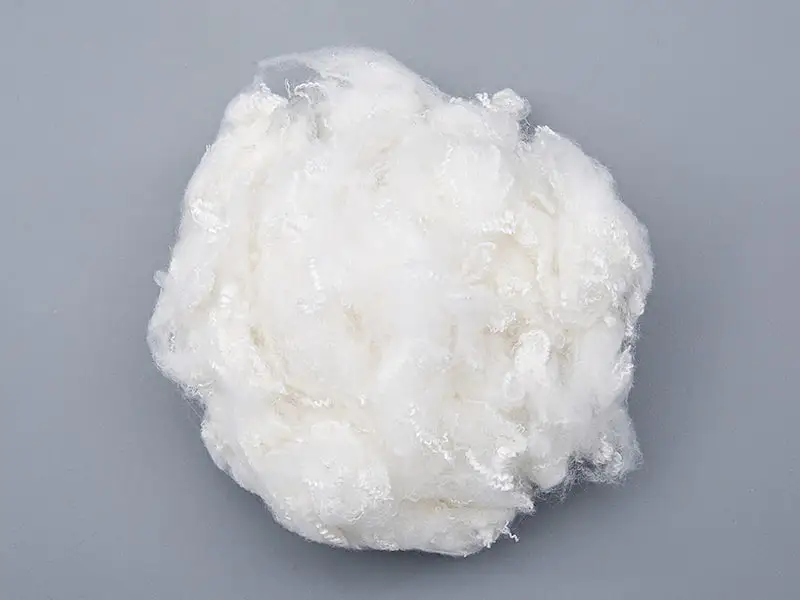
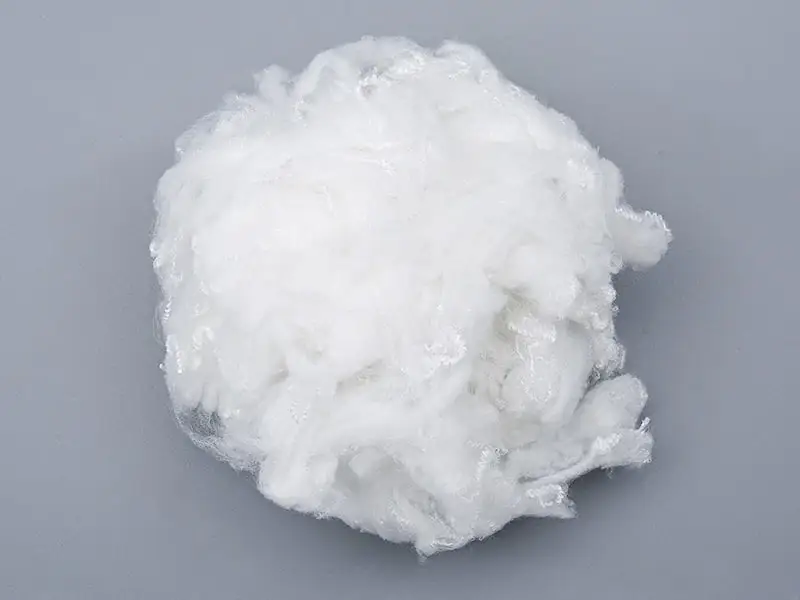
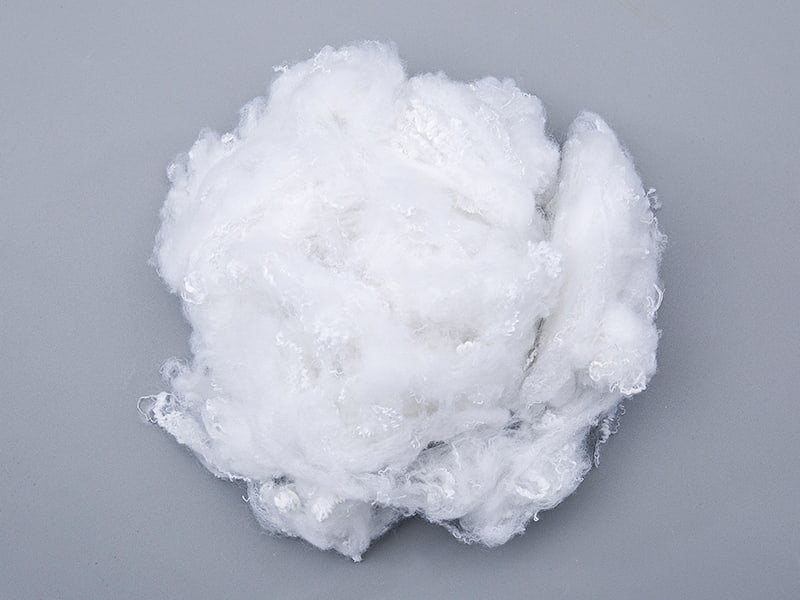
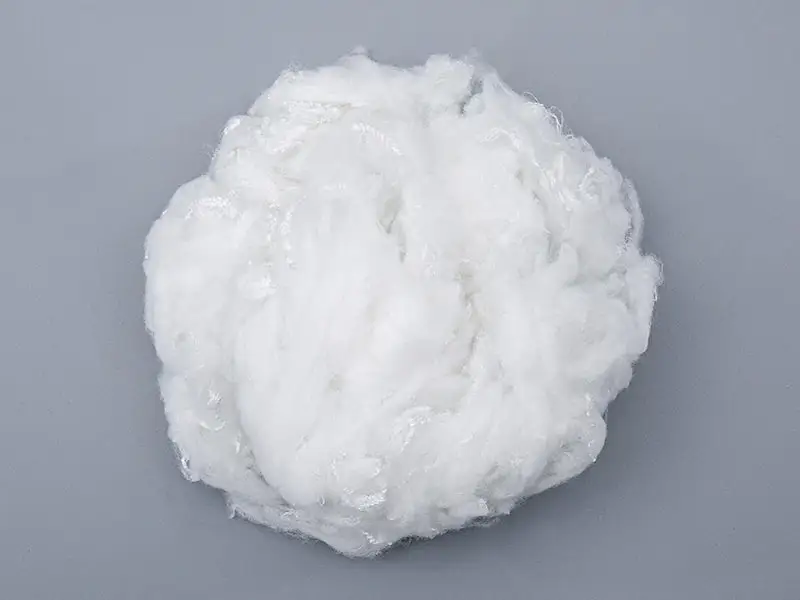
Nonwoven fibers are a unique category of materials that have become increasingly essential across a wide range of industries. Unlike traditional textiles, which rely on the interweaving of warp and weft threads, nonwoven fibers are produced by directly bonding, stacking, or entangling fibers using various methods. This allows for the creation of flexible, strong, and versatile sheet or mesh structures without the need for weaving or knitting.
Nonwoven fibers are not just another type of fabric—they are a class of materials that are produced without the traditional textile processes of weaving or knitting. Instead, they are made by bonding fibers together through mechanical, thermal, or chemical methods to form flexible, durable, and functional materials. This process allows manufacturers to control the physical properties of the material, such as its strength, texture, and absorbency, making it suitable for an array of specialized applications.
Nonwoven fibers are typically created from high-quality raw materials, carefully treated and processed to ensure that each fiber has the desired physical and chemical characteristics. Advanced techniques such as combing, mesh laying, and reinforcement are employed during production to precisely control how the fibers are arranged and bonded, resulting in materials with predictable properties and performance.
The production of nonwoven fibers involves several key stages and methods. Below are the primary processes used to create nonwoven fibers:
Fiber Formation: The step involves selecting and processing raw materials, such as synthetic polymers or natural fibers, to create the base fibers. These are typically extruded into continuous filaments.
Fiber Bonding: Unlike traditional textiles, where yarns are woven together, nonwoven fibers are bonded through a variety of methods, including:
Reinforcement and Finishing: Once the fibers are bonded, the material may undergo additional treatments such as reinforcement, coating, or printing to enhance its durability, appearance, and functionality.
There are several types of nonwoven fibers, each with its own unique characteristics and suitability for different applications. Some common types include:
Spunbond fibers are created by extruding molten polymer into continuous filaments that are then bonded together to form a sheet. These fibers are known for their strength, durability, and versatility. They are often used in medical products, such as surgical gowns and masks, as well as in packaging materials.
Applications:
Meltblown fibers are created by extruding molten polymer through fine nozzles, producing very fine fibers. These fibers have filtration properties and are widely used in air and liquid filtration, as well as in protective clothing.
Applications:
Needle-punched fibers are created by mechanically entangling fibers using barbed needles. The result is a dense, durable, and felt-like material. Needle-punched nonwoven fibers are commonly used for insulation and automotive applications.
Applications:
Spunlaced fibers are formed by passing high-pressure water jets through a fiber web, causing the fibers to interlace without the use of binders. These fibers are soft, absorbent, and strong, making them suitable for medical and hygiene products.
Applications:
Nonwoven fibers are used in a wide array of industries, ranging from healthcare to automotive and construction. Below are some of the key sectors where nonwoven fibers have become indispensable:
In the healthcare industry, nonwoven fibers are used to create products that require sterility, durability, and comfort. Nonwoven fibers are found in a wide range of medical products, including surgical gowns, face masks, bandages, and wound dressings.
Key Products:
Nonwoven fibers are a critical component in disposable hygiene products such as diapers, sanitary napkins, and wet wipes. Their absorbent and breathable properties make them ideal for these applications, ensuring comfort and performance.
Key Products:
Nonwoven fibers play a significant role in the automotive industry, where they are used for insulation, soundproofing, and filtration. The lightweight yet durable properties of nonwoven fibers make them ideal for improving vehicle performance and comfort.
Key Products:
In home decor, nonwoven fibers are used for products like wallpaper, curtains, and upholstery. Additionally, nonwoven fibers are widely used in construction for applications such as waterproofing membranes, insulation, and geotextiles.
Key Products:
Nonwoven fibers are also used in agriculture, particularly for crop protection and weed control. These materials provide an environmentally friendly and efficient solution for maintaining healthy crops and preventing soil erosion.
Key Products:
Nonwoven fibers offer several advantages over traditional woven fabrics:
Nonwoven fibers are an innovative and versatile material that plays a crucial role in various industries. From medical and hygiene products to automotive components and construction materials, nonwoven fibers provide a cost-effective, flexible, and durable solution to many modern challenges.
1. What are nonwoven fibers made of?
Nonwoven fibers are made from synthetic or natural fibers that are bonded together through mechanical, thermal, or chemical processes, without the need for traditional weaving or knitting.
2. How are nonwoven fibers different from traditional fabrics?
Unlike traditional fabrics, which require weaving or knitting, nonwoven fibers are created by bonding fibers together, making them more versatile and suitable for a variety of specialized applications.
3. What are some common applications of nonwoven fibers?
Nonwoven fibers are used in medical products (surgical gowns, masks), hygiene items (diapers, wipes), automotive parts (insulation, upholstery), and construction materials (geotextiles, waterproof membranes).
4. Are nonwoven fibers environmentally friendly?
Many nonwoven fibers are made from biodegradable materials or are recyclable, making them an eco-friendly alternative to traditional textiles.
5. What industries benefit from using nonwoven fibers?
Nonwoven fibers are used in a wide range of industries, including healthcare, hygiene, automotive, construction, and agriculture, due to their cost-effectiveness, versatility, and performance properties.
Emon Technology is willing to sincerely join hands with you, cooperate for win-win results, and create brilliance together!
Tel: +86-512-63679088
Email: [email protected]
[email protected]
[email protected]
[email protected]
[email protected]
Add:South of 318 National Highway, Miaotou Village, Meiyan, Wujiang, Jiangsu
Copyright © Suzhou Emon New Material Technology Co., Ltd. All rights reserved.



 English
 中文简体
中文简体 Español