2026.05.28
 Industry Information
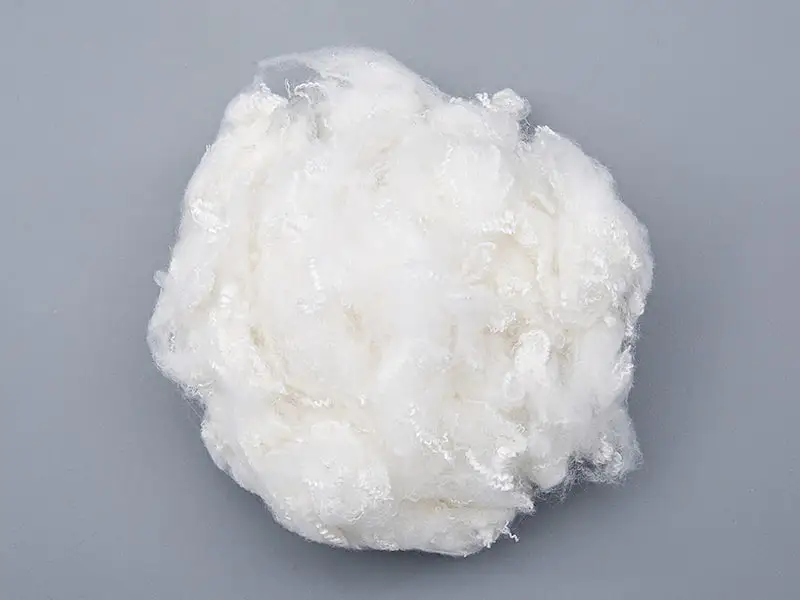
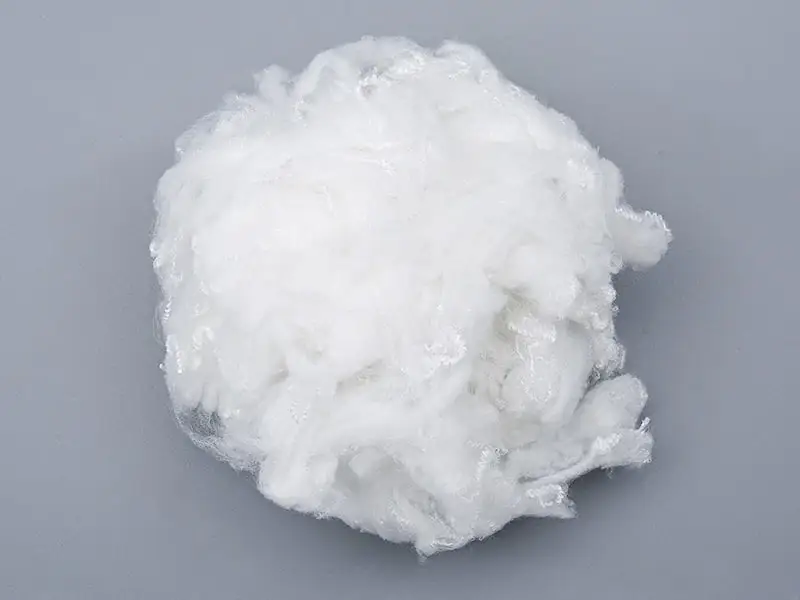
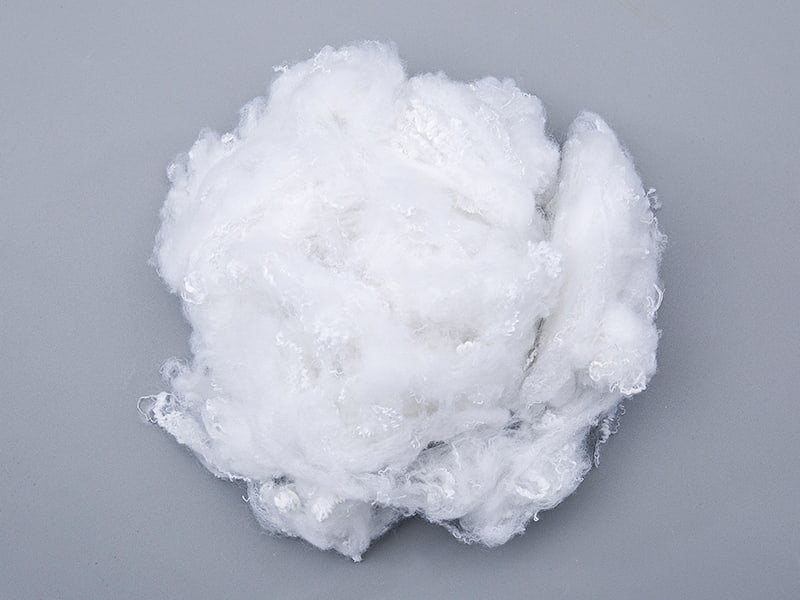
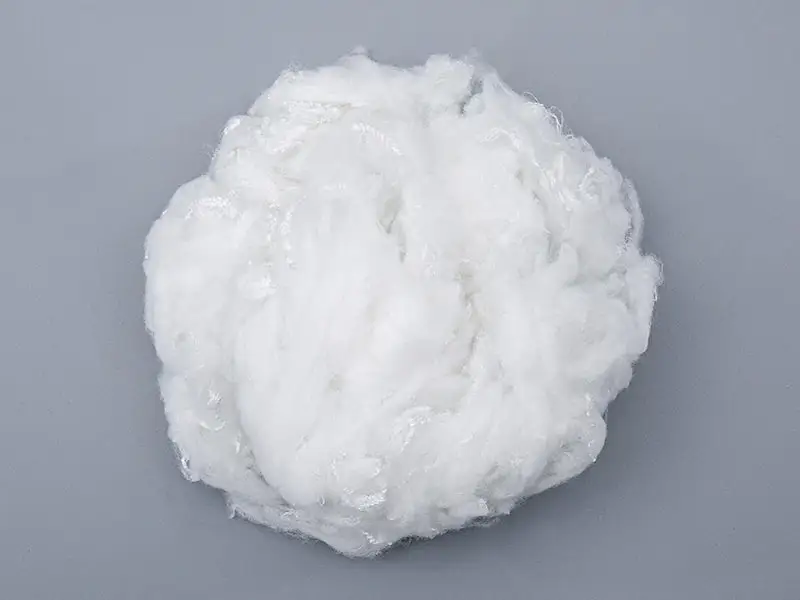
Polyester staple fiber significantly enhances comfort in home textiles by improving softness, thermal balance, moisture control, and long-term durability. Its fine, uniform structure allows fabrics to feel smoother, maintain shape better, and provide a more stable indoor comfort experience across different seasons.
In modern home textile applications, polyester staple fiber is widely used because it helps balance practical performance with everyday comfort needs, especially in bedding, upholstery, and decorative fabrics.
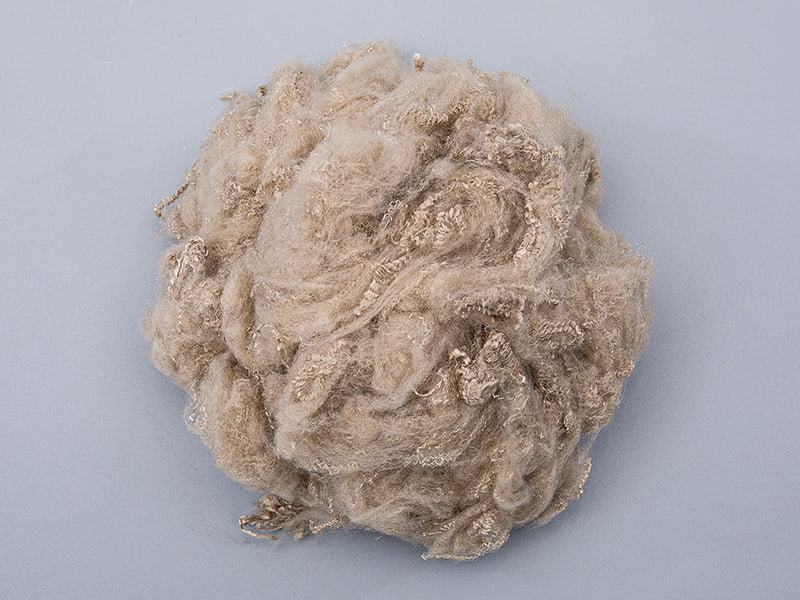
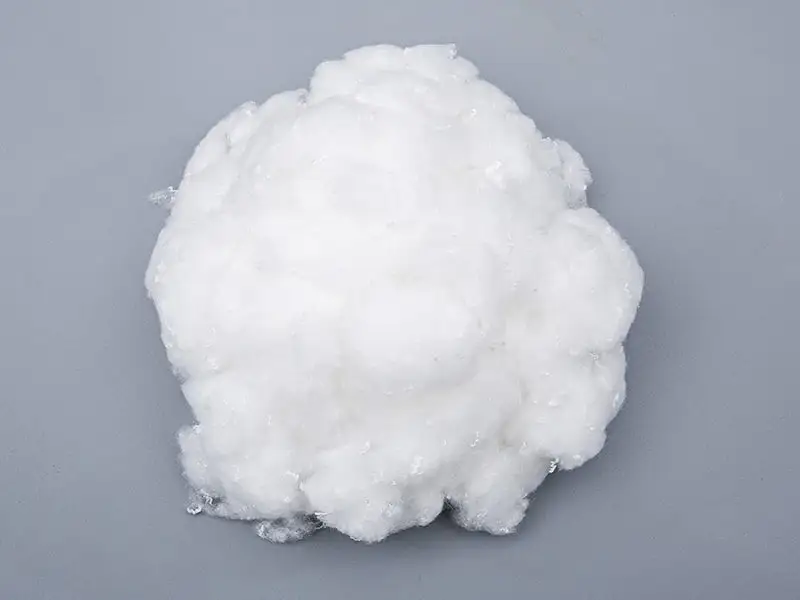
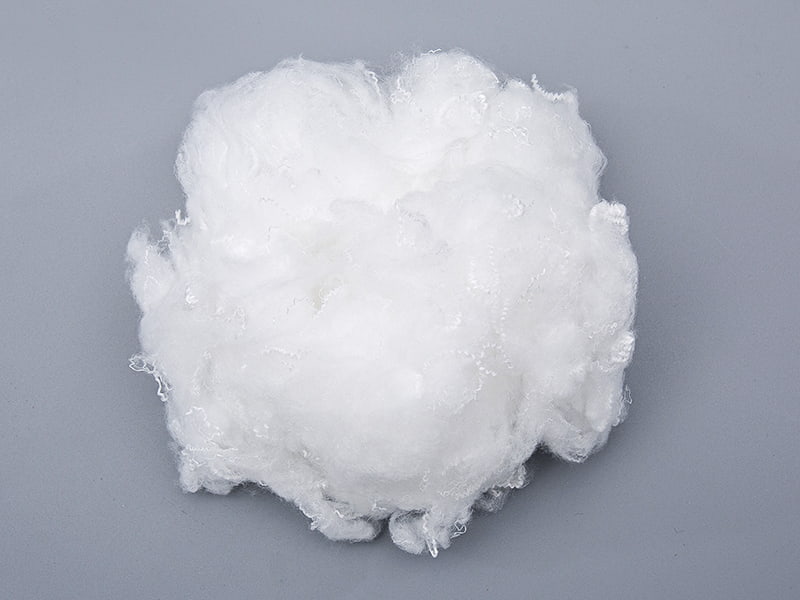
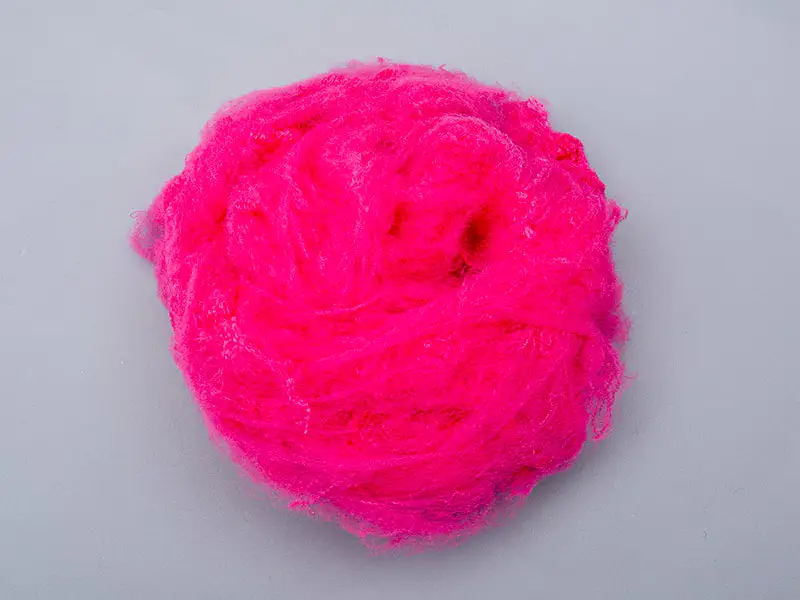
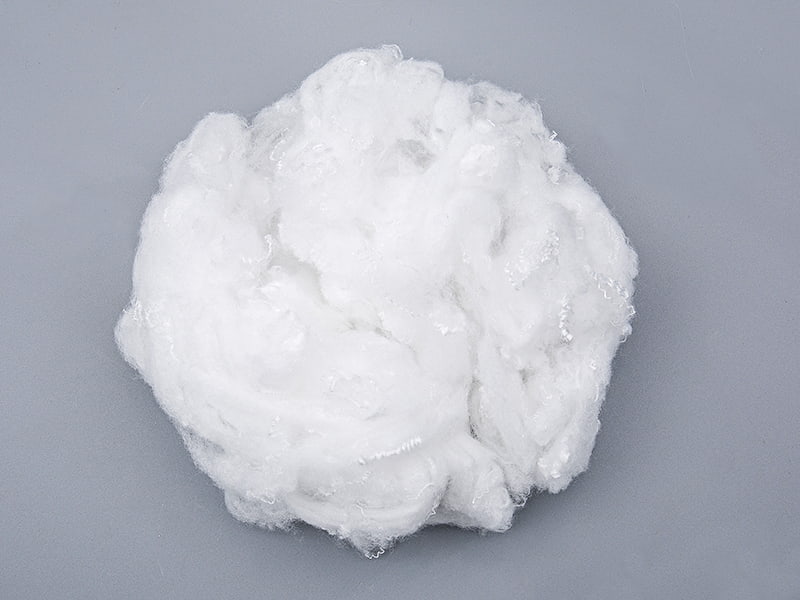
One of the noticeable benefits of polyester staple fiber is its ability to enhance fabric softness and loft. The crimped structure of the fibers creates tiny air pockets that increase volume and improve tactile comfort.
This structure helps home textiles retain a soft, cushioned feel, especially in bedding materials such as pillows and comforters.
Polyester staple fiber supports improved moisture management by allowing efficient vapor movement through fabric structures. This helps maintain a dry and comfortable surface feel in indoor environments.
These properties make polyester staple fiber suitable for home textiles that require balanced dryness and breathability.
Beyond initial comfort, polyester staple fiber contributes to long-term performance by maintaining structural integrity over time. This ensures that textiles remain comfortable even after extended use and repeated washing.
This stability helps home textiles maintain their comfort properties for a longer lifecycle.
Polyester staple fiber is widely applied in various home textile categories where comfort and functionality are essential.
These applications highlight the fiber’s versatility in delivering balanced comfort across different home environments.
By combining softness, breathability, durability, and structural stability, polyester staple fiber plays a key role in optimizing comfort in home textiles. Its engineered properties allow manufacturers to design fabrics that consistently support better living experiences.
As a result, it remains one of the widely used fiber types in modern home textile production focused on comfort enhancement.
Emon Technology is willing to sincerely join hands with you, cooperate for win-win results, and create brilliance together!
Tel: +86-512-63679088
Email: [email protected]
[email protected]
[email protected]
[email protected]
[email protected]
Add:South of 318 National Highway, Miaotou Village, Meiyan, Wujiang, Jiangsu
Copyright © Suzhou Emon New Material Technology Co., Ltd. All rights reserved.



 English
 中文简体
中文简体 Español