2026.04.03
 Industry Information
The textile industry has long been a significant contributor to environmental challenges, from the enormous water consumption required for growing natural fibers to the energy-intensive processes involved in manufacturing synthetic materials. Among the synthetic fibers, polyester has been the dominant choice for producing a wide range of fabrics. However, there is growing concern about its environmental impact, especially with the increasing use of virgin polyester, which is derived from petroleum-based resources.
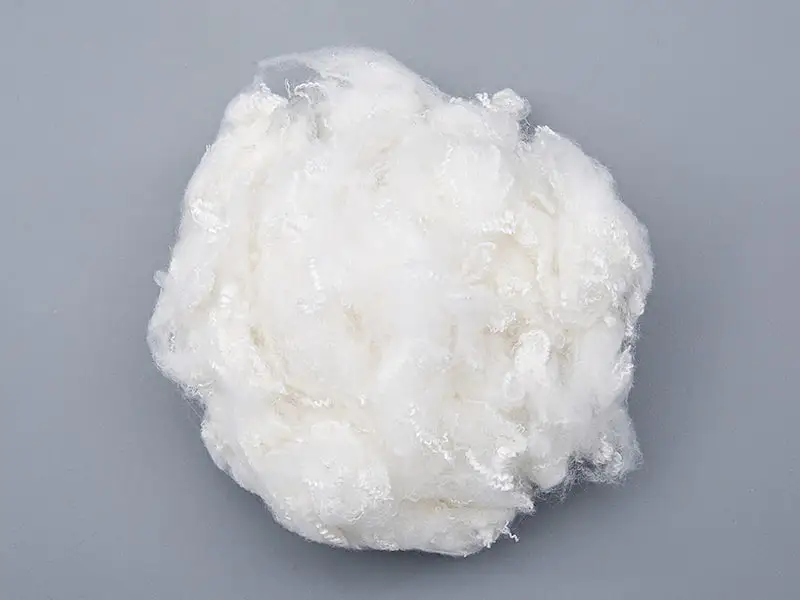
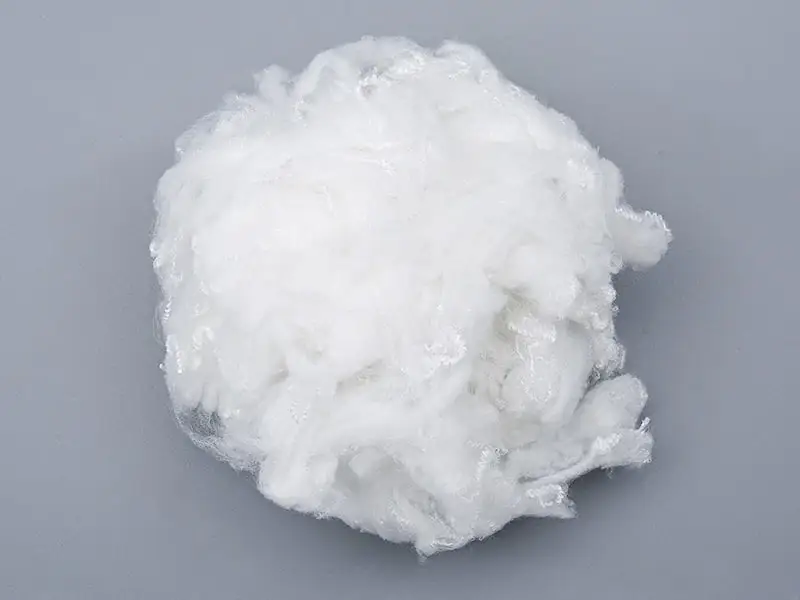
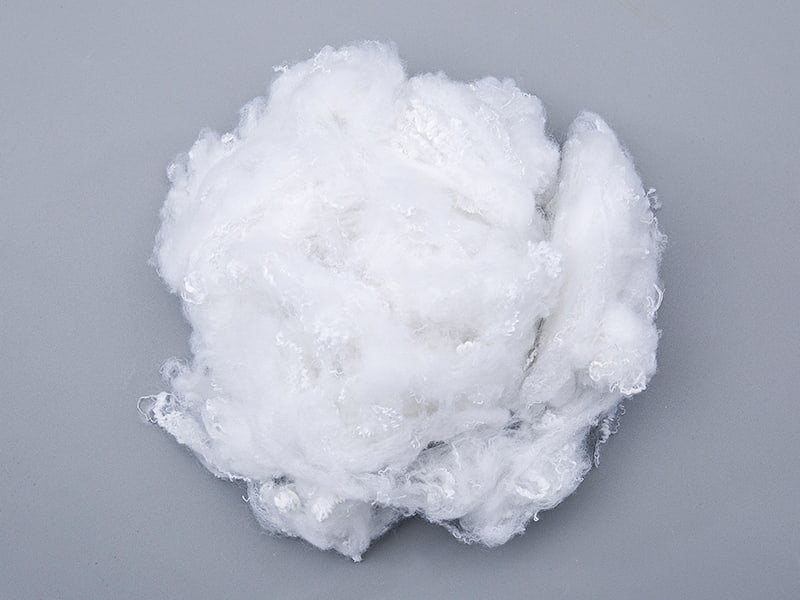
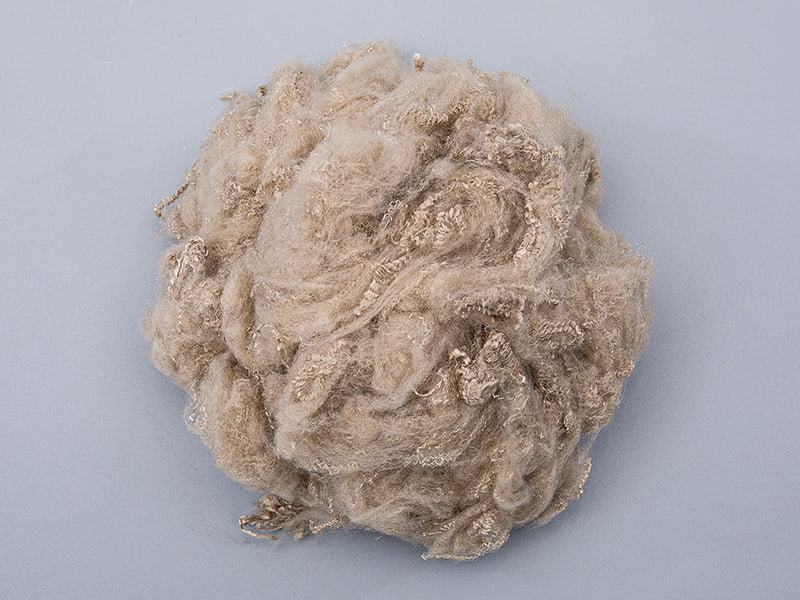
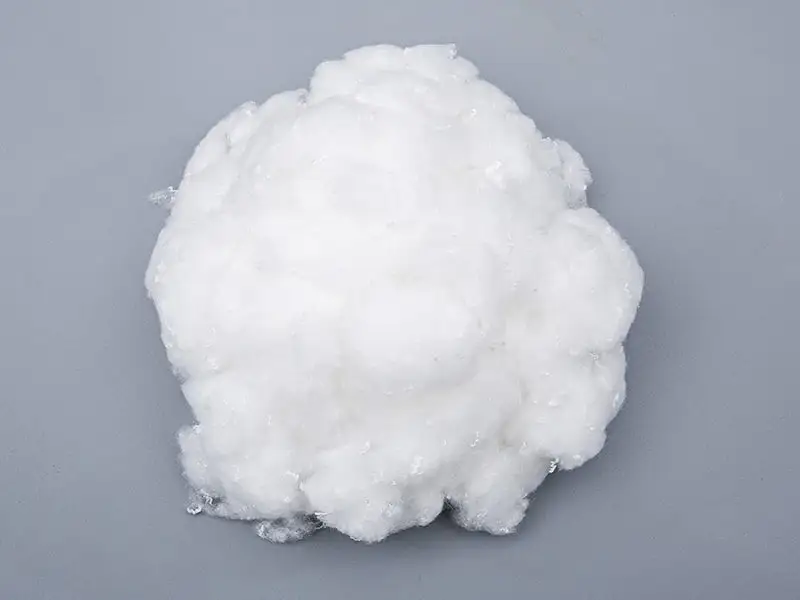
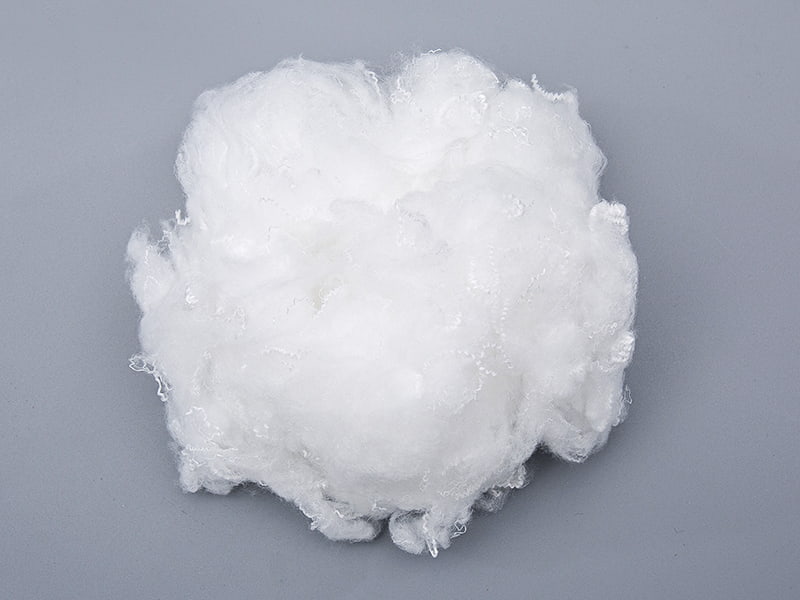
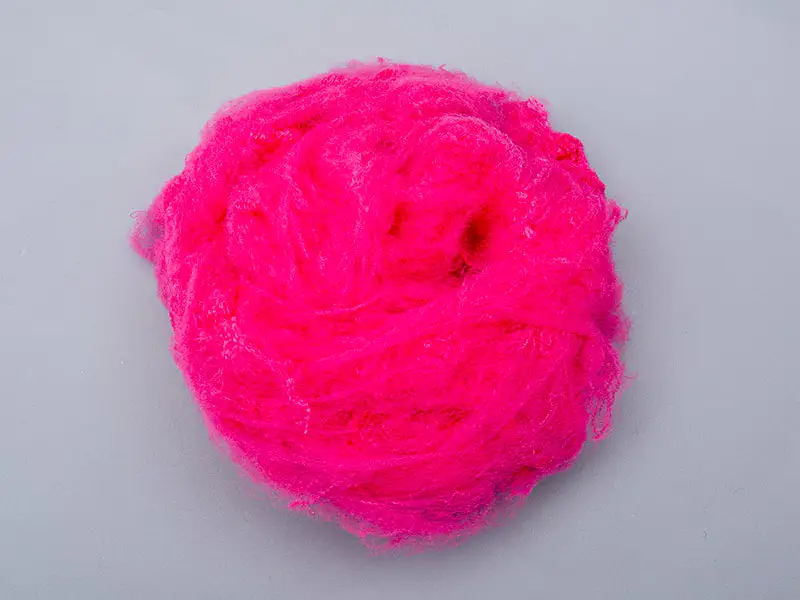
Recycle polyester fiber is a sustainable alternative to virgin polyester. As the name suggests, this fiber is produced from post-consumer or post-industrial plastic waste, such as plastic bottles, discarded polyester garments, and textile waste. Through a process called chemical recycling or mechanical recycling, the plastic waste is cleaned, melted, and transformed into new polyester fiber that can be used to manufacture various textile products.
Benefits of Recycled Polyester Fiber:
Challenges of Recycled Polyester Fiber:
Virgin polyester is made from petrochemical products, primarily crude oil, which is processed to create the polyester fiber. It is the traditional form of polyester used in the textile industry and is widely favored for its durability, affordability, and versatile range of applications.
Benefits of Virgin Polyester:
Challenges of Virgin Polyester:
The production of virgin polyester requires substantial energy inputs, primarily due to the extraction and processing of petroleum. Recycled polyester, on the other hand, consumes significantly less energy, as it bypasses the need for raw material extraction and uses existing waste materials.
Virgin polyester production also requires a considerable amount of water for dyeing and finishing processes. Recycling polyester, especially from post-consumer bottles, helps to minimize water consumption in textile manufacturing.
Studies show that recycled polyester can reduce carbon emissions by up to 60% compared to virgin polyester. The reduction in emissions comes from the decreased energy requirement for production and the reuse of plastic waste, which would otherwise decompose in landfills and release methane, a potent greenhouse gas.
Recycled polyester helps close the loop on plastic waste. By using discarded bottles and textiles, it prevents them from ending up in landfills or the ocean, where they can take hundreds of years to decompose. On the other hand, virgin polyester, due to its non-biodegradable nature, contributes to the growing global issue of textile waste.
| Factor | Recycled Polyester Fiber | Virgin Polyester |
|---|---|---|
| Energy Consumption | 30-60% less than virgin polyester | High due to petroleum extraction |
| Water Usage | Lower water usage in production | High water usage, especially in dyeing |
| Carbon Emissions | 60% less carbon footprint | High due to petroleum processing |
| Waste Generation | Helps reduce plastic waste | Contributes to landfill overflow |
Waste Reduction: One of the significant advantages of recycled polyester fiber is its ability to reduce plastic waste. The increasing global consumption of plastic, particularly in single-use packaging and textiles, has led to a mounting waste crisis. Recycling polyester fiber from waste products helps to alleviate some of this burden.
Lower Greenhouse Gas Emissions: Recycled polyester helps reduce carbon emissions by reusing existing materials and requiring less energy-intensive processing. This makes it a more sustainable option in the context of climate change and global warming.
Decreased Petroleum Dependency: By using plastic waste instead of virgin petroleum-based materials, recycled polyester helps to reduce the demand for oil, a finite and polluting resource.
Sustainable Fashion: The increasing use of recycled polyester aligns with the growing trend of sustainable fashion. By opting for recycled materials, textile manufacturers and consumers alike can contribute to a more circular economy that focuses on reuse, recycling, and sustainability.
1. Can recycled polyester fiber be as durable as virgin polyester?
Yes, in many cases, recycled polyester can match the durability of virgin polyester, but its strength can vary depending on the recycling process and the quality of the raw materials used.
2. Is recycled polyester fiber truly eco-friendly?
While recycled polyester offers significant environmental benefits, such as waste reduction and lower carbon emissions, it still requires energy and resources for production. However, it is a more sustainable option compared to virgin polyester.
3. Can recycled polyester fiber be recycled again?
Yes, recycled polyester can be recycled multiple times, although each cycle may degrade its quality slightly. Continued advancements in recycling technology are improving the recyclability of polyester.
4. How does recycled polyester impact the overall textile industry?
Recycled polyester offers a more sustainable alternative to virgin polyester, reducing waste and reliance on petroleum. Its increased use is helping to shift the textile industry towards more circular and eco-friendly practices.
In the battle between recycled polyester fiber and virgin polyester, the former is the clear winner when it comes to reducing environmental harm. Recycled polyester offers a viable solution to the growing plastic waste problem, while also lowering carbon emissions and conserving natural resources. However, both types of polyester have their roles to play, and their environmental impact ultimately depends on factors like manufacturing processes and end-of-life disposal.
Emon Technology is willing to sincerely join hands with you, cooperate for win-win results, and create brilliance together!
Tel: +86-512-63679088
Email: [email protected]
[email protected]
[email protected]
[email protected]
[email protected]
Add:South of 318 National Highway, Miaotou Village, Meiyan, Wujiang, Jiangsu
Copyright © Suzhou Emon New Material Technology Co., Ltd. All rights reserved.



 English
 中文简体
中文简体 Español