2026.04.10
 Industry Information
In the textile industry, fibers play a crucial role in determining the characteristics of finished products. Among the many types of fibers used in manufacturing textiles, polyester staple fiber and polyester filament are two of the commonly used materials. Though both are derived from polyester, their physical properties, applications, and manufacturing processes differ significantly. Understanding these differences is essential for manufacturers, designers, and consumers alike when choosing the right fiber for their specific needs.
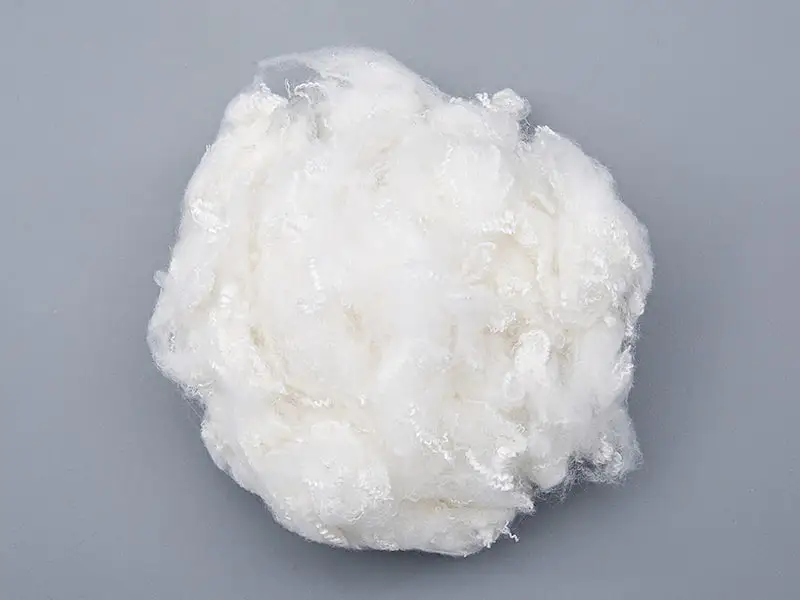
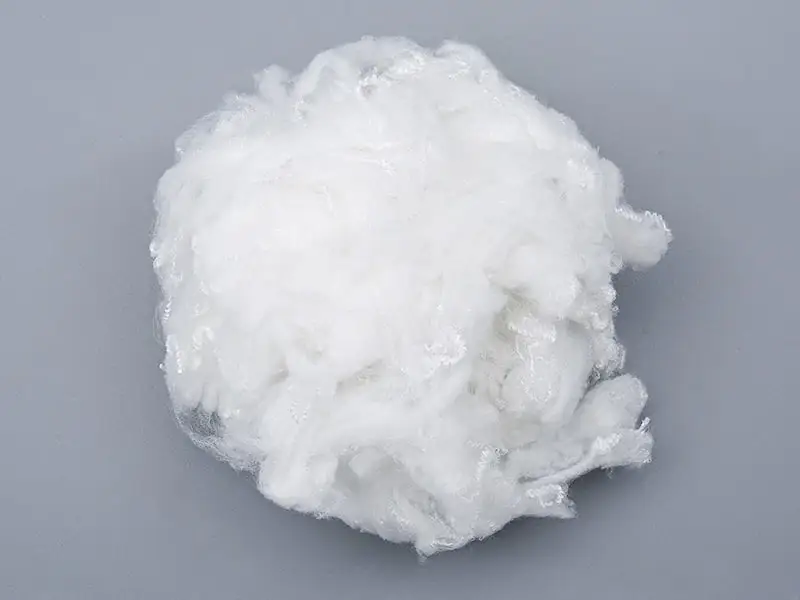
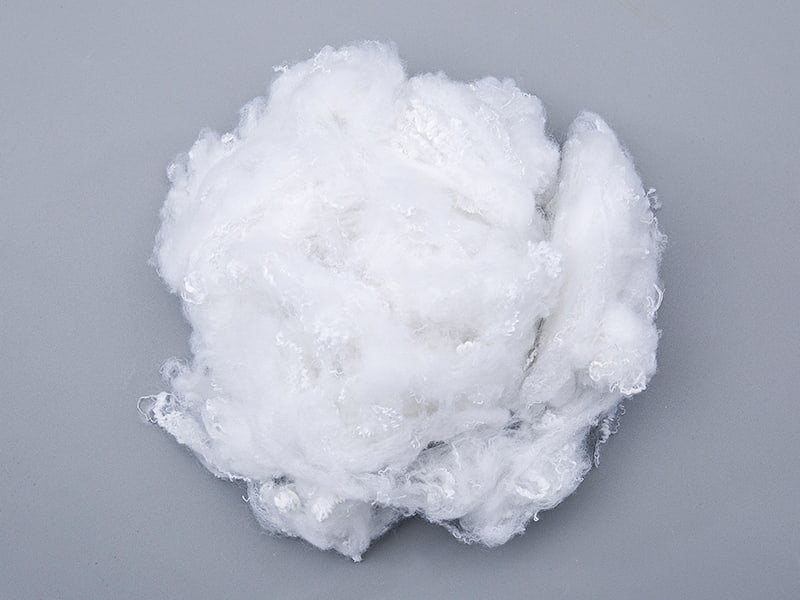
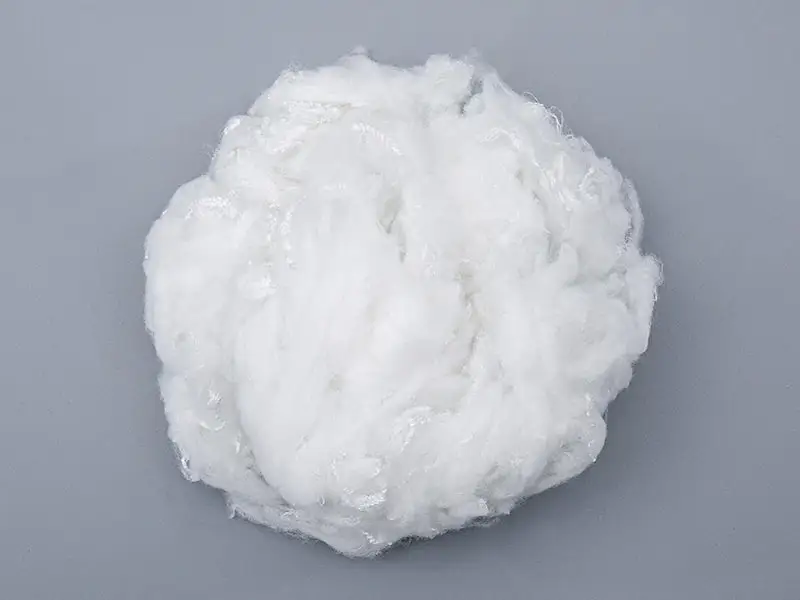
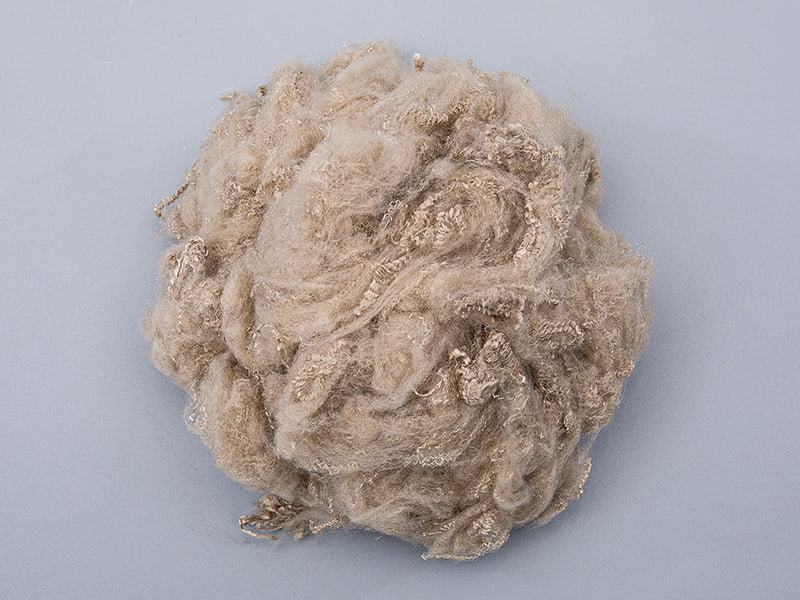
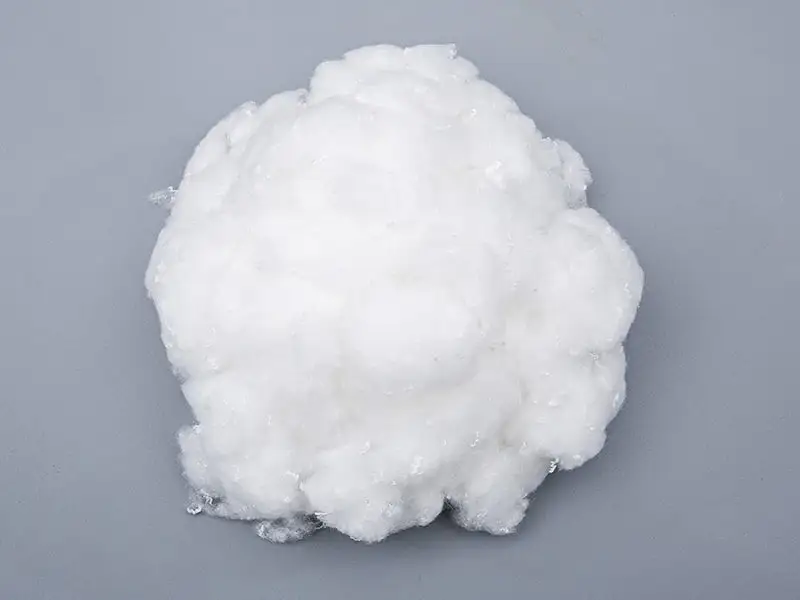
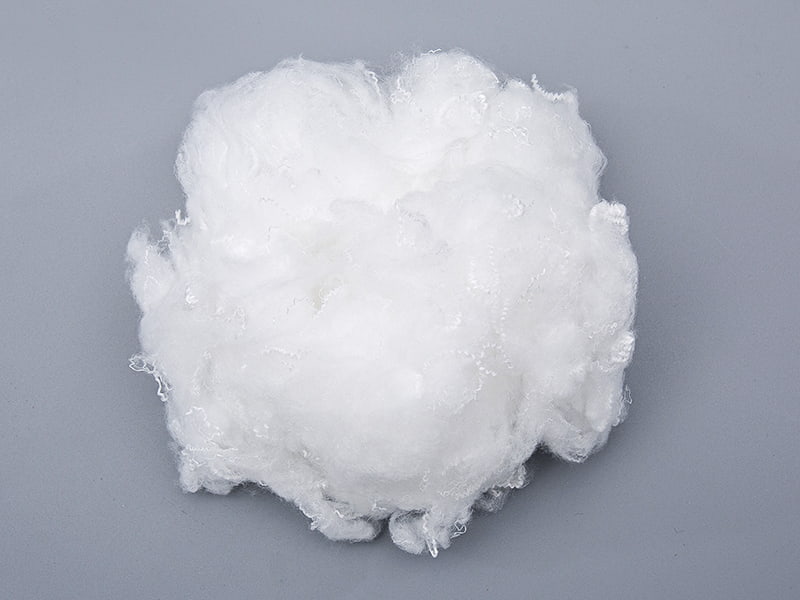
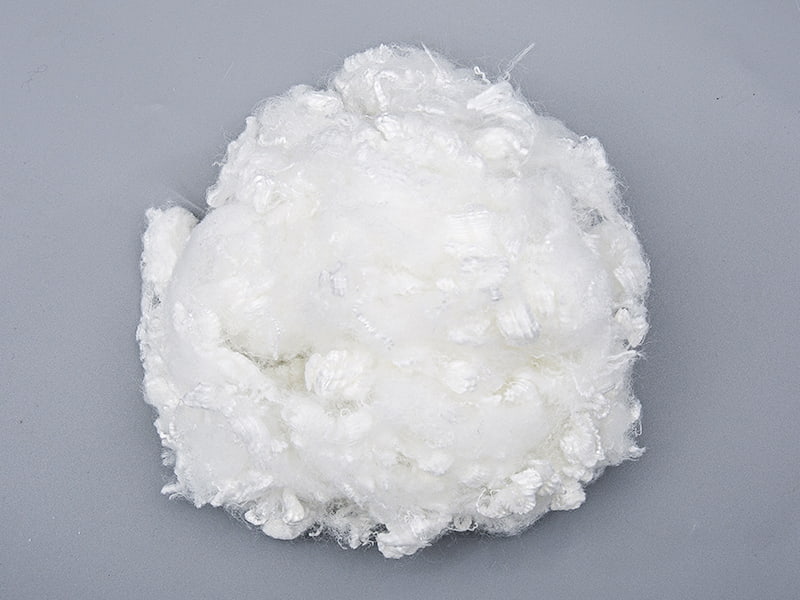
Polyester staple fiber is a short, discrete fiber that is typically used in the production of fabrics and yarns. It is created by cutting long polyester filaments into shorter lengths, usually ranging from 1 to 12 inches. These fibers are then spun into yarns, which are woven or knitted into fabrics.
The production of polyester staple fiber involves extruding polyester resin into a filament form, followed by cutting it into short pieces. These fibers are then processed into yarns, which can be twisted together to form textiles.
Polyester filament is a continuous, long fiber made from polyester. It is often produced as a single, continuous filament of varying thickness and can be twisted or textured to create different fabric characteristics. Filament fibers are known for their smoothness, high strength, and lustrous appearance.
Polyester filament is produced by extruding molten polyester resin through fine holes in a spinneret to form long threads. These threads can be left as-is or treated to alter their texture and appearance, such as in the production of textured filaments for added stretch.
| Feature | Polyester Staple Fiber | Polyester Filament |
|---|---|---|
| Fiber Length | Short, cut into staple lengths | Long, continuous filament |
| Production Process | Produced by cutting polyester filaments | Produced by extrusion into long filaments |
| Appearance | Less smooth, more matte | Smooth, often glossy or lustrous |
| Strength | Strong, but less flexible | Stronger and more flexible |
| Durability | Highly durable, resistant to abrasion | Very durable, but more prone to stretching |
| Applications | Clothing, upholstery, nonwovens | High-end apparel, technical textiles |
| Cost | Typically lower cost | Higher cost due to processing |
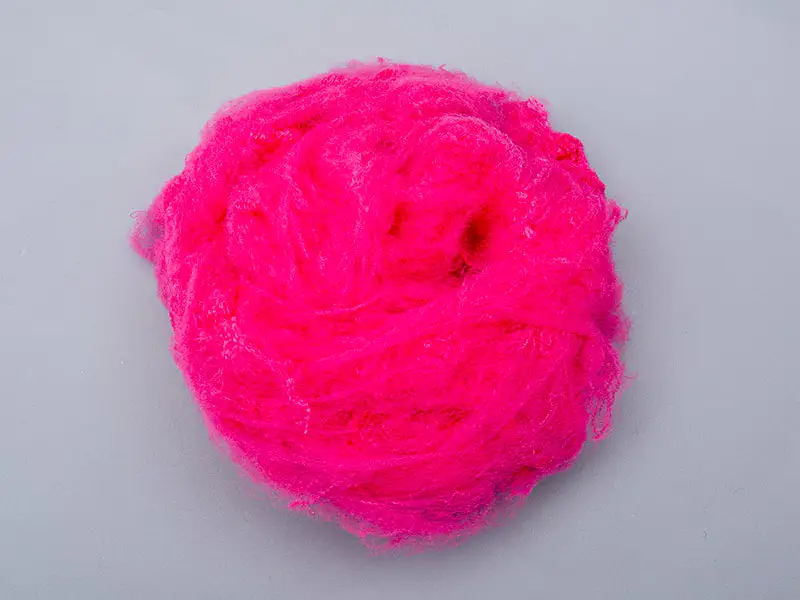
In recent years, specialty fiber has become increasingly important in the textile industry. Specialty fibers, including modified polyester staple fibers and filaments, are designed to meet specific requirements such as moisture-wicking, flame resistance, and biodegradability. These fibers often combine the benefits of both polyester staple fibers and polyester filaments, while also offering additional advantages like enhanced performance and unique textures.
For example, specialty fibers can be designed for sportswear, medical textiles, and industrial applications, where specific functional properties are required.
When deciding between polyester staple fiber and polyester filament, several factors should be taken into account:
Both polyester staple fiber and polyester filament offer distinct benefits depending on the intended use.
Polyester Staple Fiber:
Excellent durability and resistance to wear.
Ideal for producing a wide range of fabrics, including soft and comfortable clothing.
Easier to process into nonwoven fabrics for industrial use.
Polyester Filament:
Smooth and glossy texture, often preferred in high-end fashion and premium fabrics.
Strong and durable, making it suitable for technical textiles and industrial applications.
Versatile for creating unique textures and finishes, such as shiny or matte looks.
Q1: Can polyester staple fiber be recycled?
Yes, polyester staple fiber can be recycled, particularly when produced from recycled PET bottles. Recycling polyester fibers helps reduce waste and supports sustainable manufacturing practices.
Q2: Is polyester filament stronger than polyester staple fiber?
Yes, polyester filament is generally stronger and more flexible than polyester staple fiber due to its continuous structure.
Q3: What is the primary difference in appearance between polyester staple fiber and polyester filament?
Polyester staple fiber typically has a matte finish, while polyester filament has a smooth and glossy appearance, often preferred in high-end textile applications.
Q4: Can polyester staple fiber be used in sportswear?
Yes, polyester staple fiber is commonly used in sportswear due to its strength, comfort, and moisture-wicking properties.
Q5: What are some examples of specialty fibers used in textiles?
Specialty fibers include flame-retardant fibers, moisture-wicking fibers, and biodegradable fibers, which are engineered for specific applications in textiles.
Emon Technology is willing to sincerely join hands with you, cooperate for win-win results, and create brilliance together!
Tel: +86-512-63679088
Email: [email protected]
[email protected]
[email protected]
[email protected]
[email protected]
Add:South of 318 National Highway, Miaotou Village, Meiyan, Wujiang, Jiangsu
Copyright © Suzhou Emon New Material Technology Co., Ltd. All rights reserved.



 English
 中文简体
中文简体 Español