2026.02.19
 Industry Information
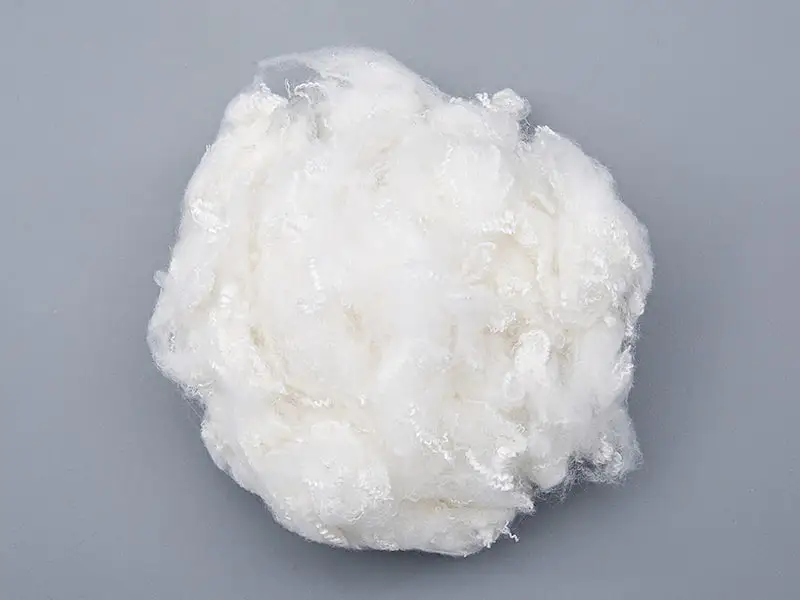
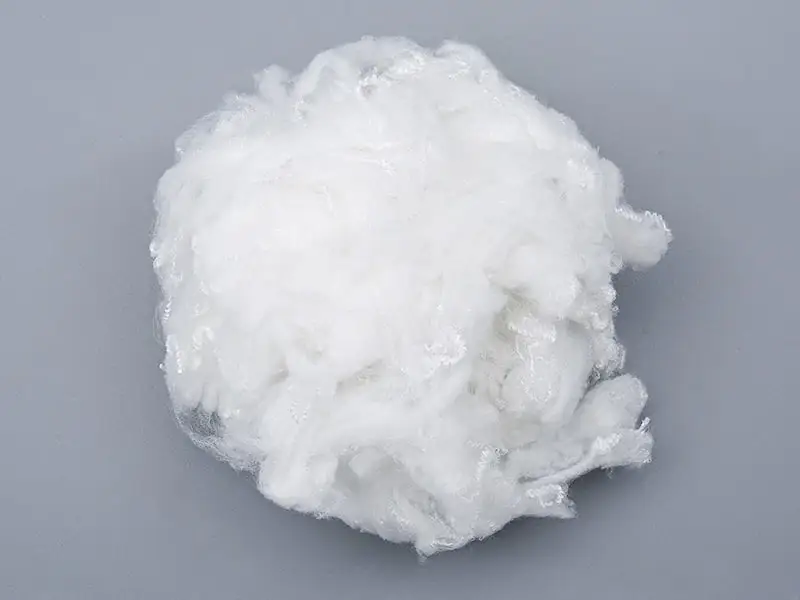
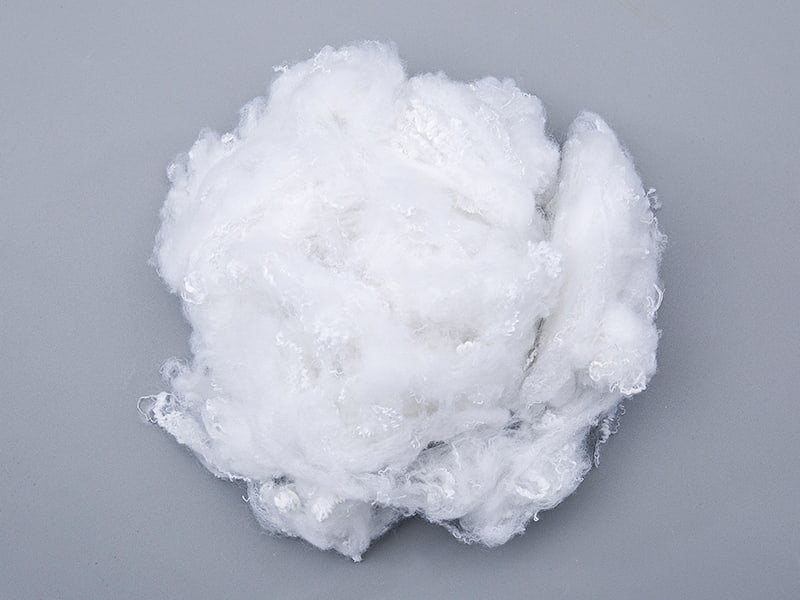
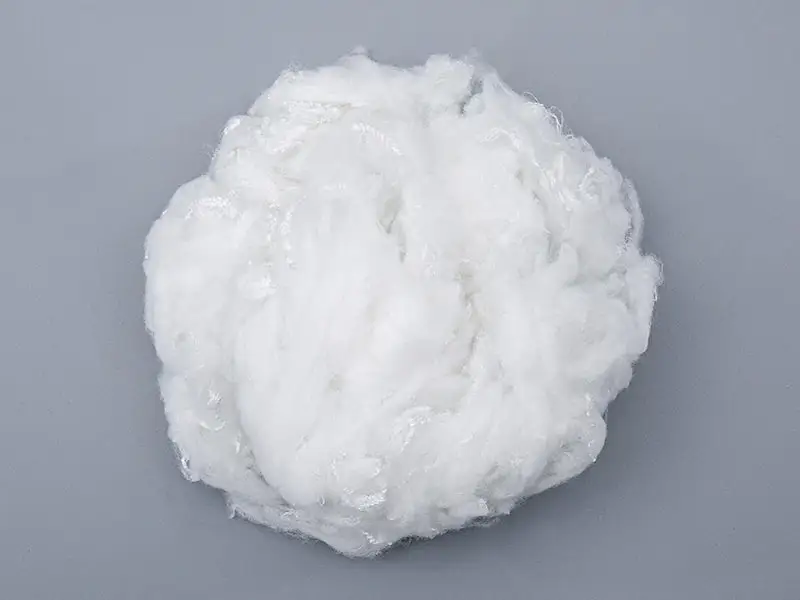
Functional textile fibers are revolutionizing the fabric industry by integrating enhanced performance capabilities into textiles. These fibers are specifically engineered to offer functionality, such as moisture-wicking, UV protection, anti-bacterial properties, or thermal regulation. Unlike traditional fibers, functional textile fibers are designed with specific end-uses in mind, improving the quality of products in both everyday and specialized applications.
Functional textile fibers are made from a variety of materials, including natural, synthetic, and regenerated fibers. These fibers are embedded with features that improve the utility and comfort of the fabric. The technology behind these fibers is driven by advancements in fiber production processes, coatings, and treatments that add value to the textile’s basic structure.
| Type of Fiber | Properties | Applications |
|---|---|---|
| Polyester | Moisture-wicking, wrinkle-resistant | Sportswear, activewear |
| Nylon | Abrasion resistance, anti-static properties | Outdoor gear, protective clothing |
| Cotton | Softness, breathability, eco-friendly | Casual wear, home textiles |
| Spandex | Stretchability, comfort, shape retention | Performance wear, underwear, shapewear |
| Wool | Thermoregulation, moisture management | Outerwear, thermally efficient garments |
One of the key aspects that differentiate functional textile fibers from regular ones is the modification of their physical and chemical properties. These modifications often include:
One of the cutting-edge technologies in functional textile fibers is microencapsulation. This process involves embedding small particles of active agents, such as essential oils or antimicrobial substances, within the fibers. When the fibers are worn or come into contact with the skin, the active agents are slowly released, providing ongoing benefits.
Nanotechnology has opened up new frontiers for functional textiles. By manipulating the material at a molecular level, nano-sized particles are added to fibers to create properties such as:
Functional textile fibers have found widespread use across many industries due to their ability to improve the performance and comfort of products.
In sports and fitness, functional textile fibers are used to create high-performance garments that enhance comfort and improve performance. Fabrics made with moisture-wicking fibers such as polyester help athletes stay dry by drawing sweat away from the skin. Additionally, stretchable fibers like spandex ensure that the fabric moves with the body, offering better mobility.
Functional textile fibers are also used in medical textiles, where properties like antimicrobial treatments are essential. Bandages, surgical gowns, and compression garments made from functional fibers are commonly used in healthcare settings to reduce the risk of infections and enhance patient comfort.
Functional textile fibers play a crucial role in the development of safety and protective clothing. Fabrics designed with flame-resistant fibers, such as treated cotton or aramid, protect workers from hazards like fire and heat. Other advanced textiles include those designed for environments, like moisture-proof fabrics for cold weather or high-visibility materials for worksite safety.
| Advantage | Description |
|---|---|
| Enhanced Comfort | Fibers that wick away moisture or provide breathability. |
| Durability | Longer-lasting fabrics with resistance to wear and tear. |
| Protection | UV resistance, water repellency, or flame resistance. |
| Health Benefits | Anti-bacterial, anti-odor, and hypoallergenic properties. |
| Environmental Benefits | Eco-friendly fibers made from sustainable sources. |
Functional textile fibers are no longer just an addition to the textile world; they are driving change. Whether in sports, healthcare, or protective wear, these fibers offer improved functionality and comfort, fulfilling specific needs for various applications.
1. What are functional textile fibers?
Functional textile fibers are engineered fibers with enhanced properties such as moisture-wicking, UV protection, and antimicrobial treatments. These fibers are designed to serve specific functional purposes.
2. How do functional textile fibers differ from regular fibers?
Unlike regular fibers, functional textile fibers are modified or treated to offer additional properties such as durability, comfort, and protection. These modifications make them suitable for specialized applications.
3. What industries benefit from functional textile fibers?
Industries such as sportswear, medical textiles, and workwear benefit significantly from functional textile fibers, as these fibers enhance the performance and safety of garments.
4. Can functional textile fibers be eco-friendly?
Yes, many functional textile fibers are made from sustainable or biodegradable materials, offering a more environmentally friendly option compared to traditional fibers.
5. What are the main technologies used in functional textile fibers?
Key technologies include fiber coating, microencapsulation, and nanotechnology, which help improve the fiber’s properties like antimicrobial resistance, self-cleaning, and durability.
Emon Technology is willing to sincerely join hands with you, cooperate for win-win results, and create brilliance together!
Tel: +86-512-63679088
Email: [email protected]
[email protected]
[email protected]
[email protected]
[email protected]
Add:South of 318 National Highway, Miaotou Village, Meiyan, Wujiang, Jiangsu
Copyright © Suzhou Emon New Material Technology Co., Ltd. All rights reserved.



 English
 中文简体
中文简体 Español