2026.10.16
 Industry Information
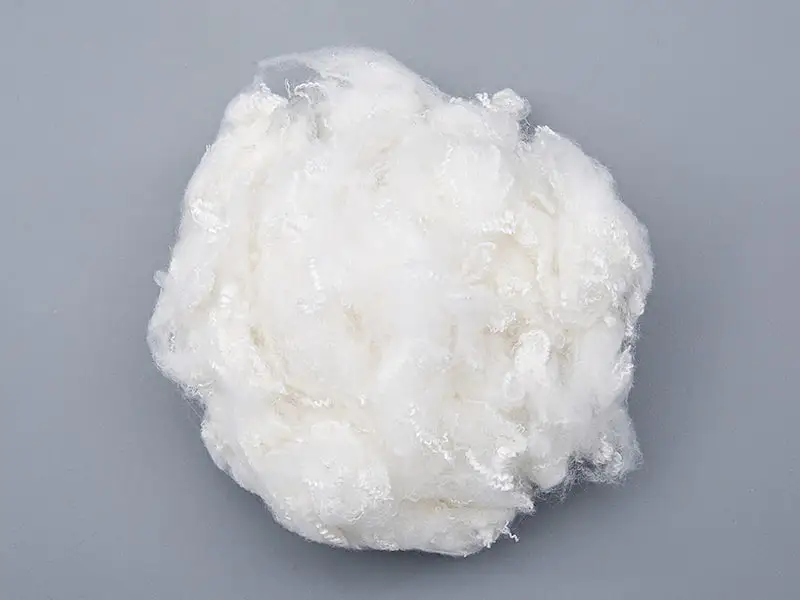
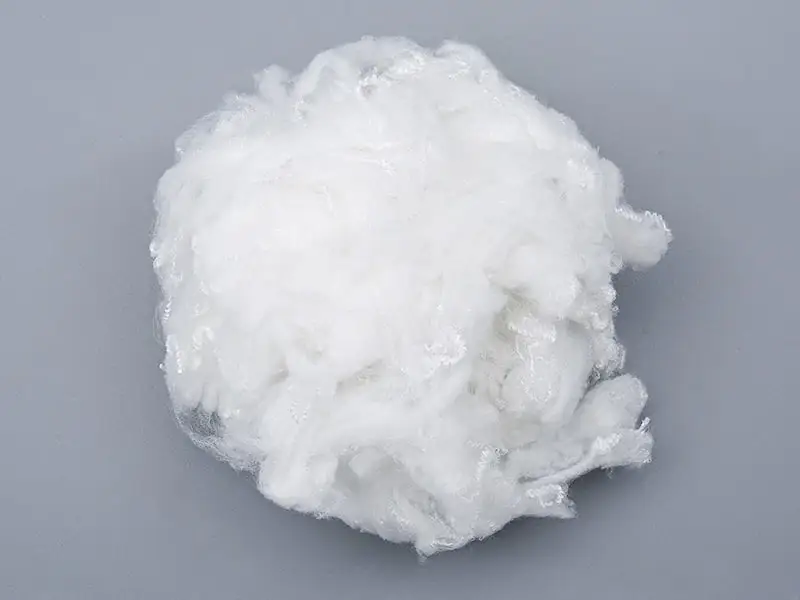
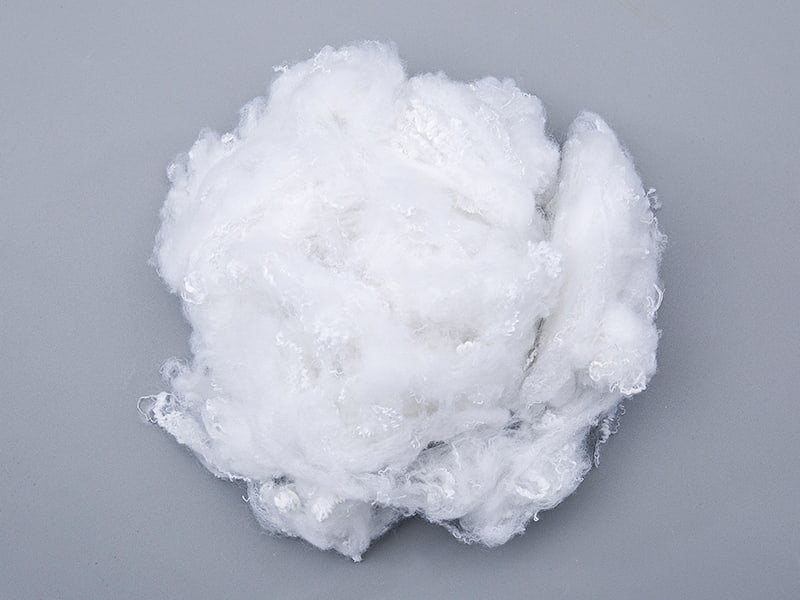
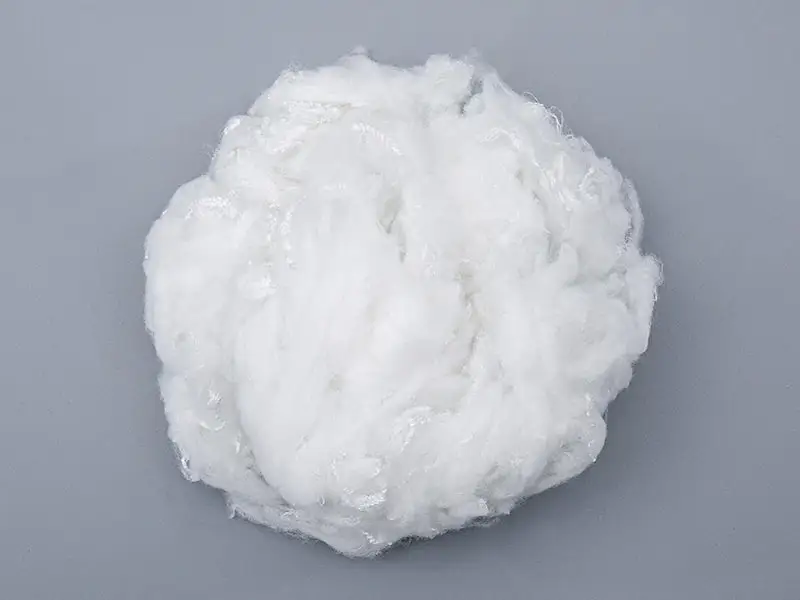
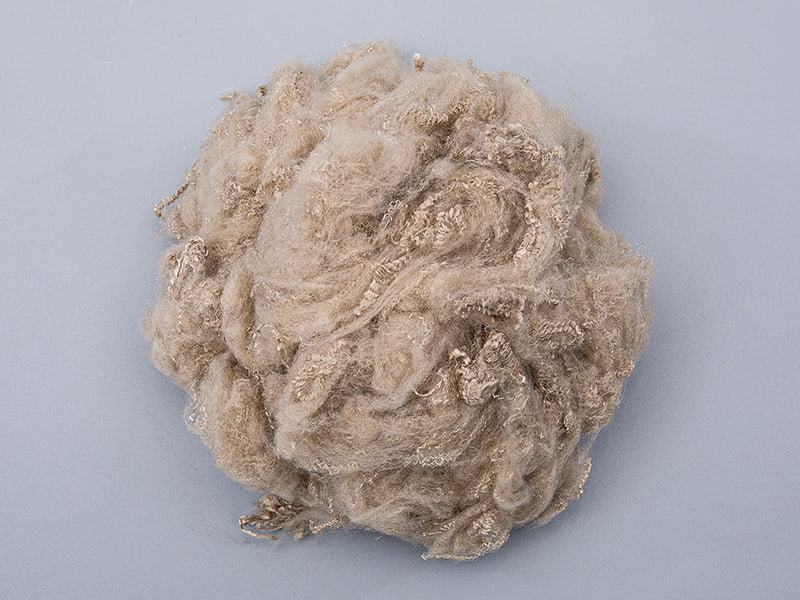
Textile buyers today are asking for more than softness and color. Fabrics need to resist odor, manage moisture, protect against ultraviolet exposure and stay comfortable through repeated washing. This is where functional fiber becomes important. A functional fiber is a manufactured fiber that carries added performance properties, such as antibacterial action, moisture management or anti-ultraviolet protection, built into the fiber structure during production rather than applied as a surface finish afterward. In this article, we explain the main types of functional fiber, where they perform best, and what to check when you select a supplier. We also use a grey bamboo charcoal fiber as a practical example, and you can review its full specifications on the 1.4D EM-R42 gray bamboo charcoal functional fiber product page.
Ordinary staple fiber provides structure, bulk and basic handfeel. A functional fiber adds one or more specialized properties at the spinning stage. Functional masterbatch, which contains additives such as bamboo charcoal particles, is mixed into the polymer before extrusion. Because the additive is distributed throughout the filament, the performance does not depend on a coating that can wear away. Fabrics made from this kind of fiber keep their properties through repeated laundering far better than fabrics that receive a surface treatment.
The most common performance areas include:
Standard polyester staple fiber is valued for cost, uniformity and availability. Functional fiber is priced higher because the value lies in added performance rather than raw material alone. For a procurement team, the useful question is whether the added property solves a real problem in the end product, such as a pillow that retains odor, a sportswear fabric that feels clammy, or a nonwoven that needs better hygiene performance. When the answer is yes, the cost premium is usually justified by lower returns and stronger product positioning.
The functional fiber category is broad. The table below summarizes the most common types encountered by fabric mills, home textile manufacturers and nonwoven converters.
| Fiber Type | Main Function | Typical Application |
|---|---|---|
| Bamboo charcoal fiber | Moisture management, deodorizing, antibacterial | Bedding, pillow fill, underwear, knitted fabrics |
| Anti-ultraviolet fiber | UV blocking | Outdoor garments, sun protection textiles |
| Antistatic fiber | Static dissipation | Workwear, carpets, industrial fabrics |
| Flame-retardant fiber | Reduced flammability | Curtains, public interior textiles, protective fabrics |
Bamboo charcoal functional fiber is one of the most widely requested categories in home textiles and intimate apparel. Its porous structure gives it a natural ability to absorb moisture and help the fabric surface feel drier. When the fiber is finished in a fine denier, such as 1.4D, the resulting yarn or fill has a softer handfeel, which is especially valued in pillow fill, quilt fill and knitted fabrics that touch the skin. A typical grade of this fiber can reach an antibacterial rate of around 94 percent under standard test conditions, and the elliptical micro-pore cross section supports fast water absorption and quick drying.
For reference, a grey bamboo charcoal grade such as the EM-R42 gray bamboo charcoal fiber is commonly specified at 1.4D with cut lengths adjusted to the spinning or filling process.
Many manufacturers also produce recycled polyester functional fiber grades with flame retardancy or antistatic performance. These options suit projects where sustainability reporting matters as much as performance, since recycled feedstock reduces demand for virgin petrochemical resin.
Procurement teams usually come to functional fiber with a specific pain point in mind. The following advantages address the most common ones.
Lower odor build-up in bedding and apparel, which reduces complaints and extends the time between washes.
The elliptical pore structure wicks moisture away from the skin, supporting comfort in warm or active conditions.
Fine 1.4D denier produces a smoother surface that suits premium pillow and quilt products.
Adds sun-protection value for fabrics used in outdoor and summer categories.
Made from recycled PET feedstock, which supports sustainability claims in export markets.
The same fiber can serve very different end uses, so it helps to match the performance profile to the product category.
Filling is one of the largest uses for functional fiber. Pillows, duvets, down-alternative jackets and plush toys all benefit from a fill that resists odor and keeps the interior drier. A functional fiber filling material for pillow bedding should offer both loft retention and a soft feel, and fine denier grades are generally preferred for this purpose.
In spinning and weaving, functional fiber is blended with cotton or other staple fibers to produce yarns for garments and home textiles. The blend ratio controls the level of performance delivered. A common approach is to start with a moderate blend, test the fabric for moisture and odor performance, and then adjust the ratio according to target specifications.
Nonwoven producers use functional fiber in hygiene products, medical consumables and automotive interior fabrics. In these markets, performance consistency and cut-length accuracy matter as much as the functional property itself, since fiber that does not open evenly in the carding line creates production problems.
Good sourcing decisions start with technical requirements. Use the following checklist when comparing suppliers.
Pricing for functional fiber varies with denier, length, order volume and customization. To receive an accurate quotation for a functional fiber wholesale price in China, send your technical requirements and expected volume to the supplier.
Functional fiber is used in bedding, apparel, knitted fabrics, nonwoven products and industrial textiles where added properties such as antibacterial action, moisture management or UV protection are needed.
Because the additive is incorporated into the fiber during spinning, the function is more durable than a surface finish. Durability should still be confirmed with laundering test data for your specific application.
Typical specifications include 1.4D denier and customizable staple lengths. Buyers should confirm color, length range and performance test standards before ordering.
Denier, cut length, performance level, order quantity and customization requirements all influence pricing. Submitting your specifications is the most reliable way to obtain an accurate quote.
Yes, many producers can adjust cut length to suit carding, spinning or filling equipment. Share your machine settings and end-use requirements when requesting samples.
Functional fiber gives textile and nonwoven manufacturers a practical way to add comfort, hygiene and protection to finished products. Bamboo charcoal grades stand out for their moisture management and antibacterial profile, particularly in fine denier forms used for bedding and knitted goods. Choosing the right fiber depends on denier, length, performance evidence and supplier capacity. If you are developing a new product and want to evaluate a specification, review the 1.4D EM-R42 gray bamboo charcoal functional fiber details or contact the supplier with your requirements to request a tailored quotation.
Emon Technology is willing to sincerely join hands with you, cooperate for win-win results, and create brilliance together!
Tel: +86-512-63679088
Email: [email protected]
[email protected]
[email protected]
[email protected]
[email protected]
Add:South of 318 National Highway, Miaotou Village, Meiyan, Wujiang, Jiangsu
Copyright © Suzhou Emon New Material Technology Co., Ltd. All rights reserved.



 English
 中文简体
中文简体 Español