2026.11.20
 Industry Information
Across spinning mills, nonwoven plants and home textile producers, the same question keeps coming up: how can a fiber deliver better color, better static control and more consistent processing without adding cost at every step? The answer for many procurement teams lies in modified fiber, a family of synthetic staple fibers whose surface chemistry has been adjusted to change how they behave in dyeing, blending and end use.
Unlike conventional polyester, which is chemically inert and difficult to dye at lower temperatures, modified fibers carry functional groups that open new processing windows. This article explains what these fibers are, how cationic modification works, where they perform best, and what technical parameters matter when you request a quotation.
A fiber that dyes more evenly and sheds less static can cut rework rates and shorten production cycles, which matters more to a buyer than any single laboratory figure.
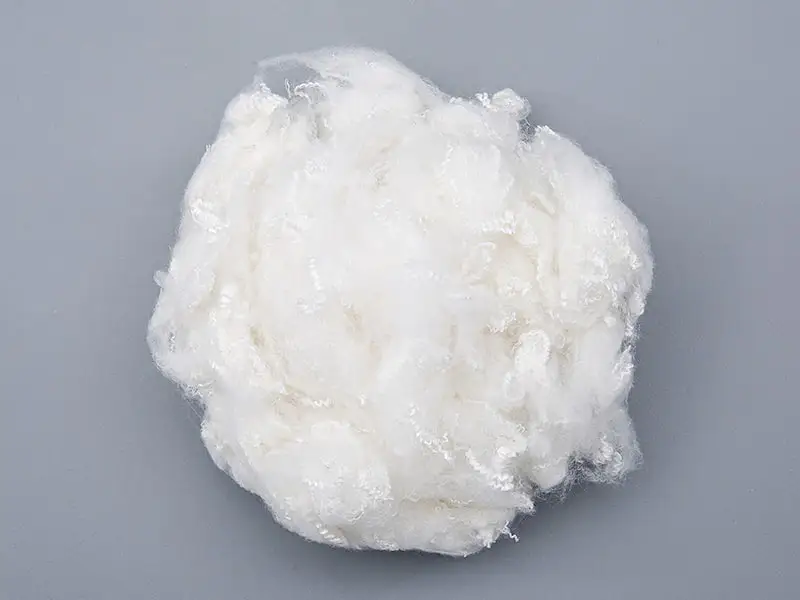
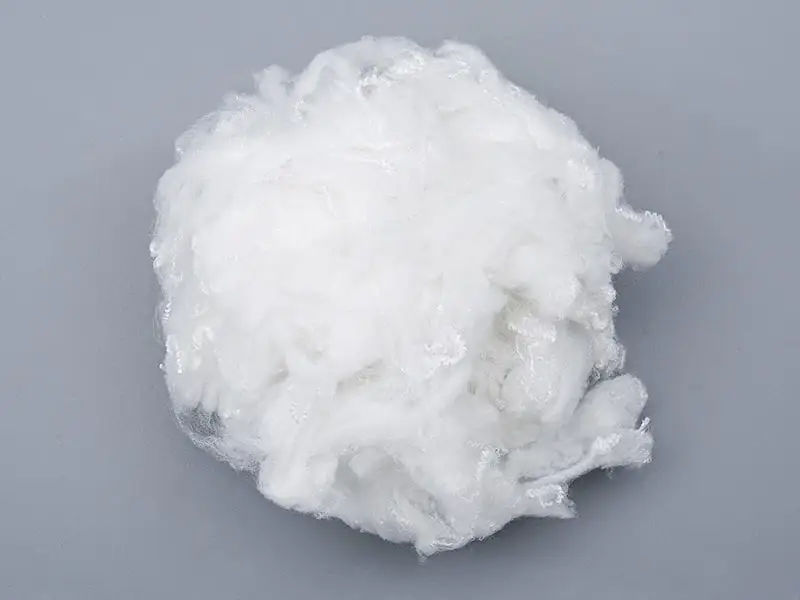
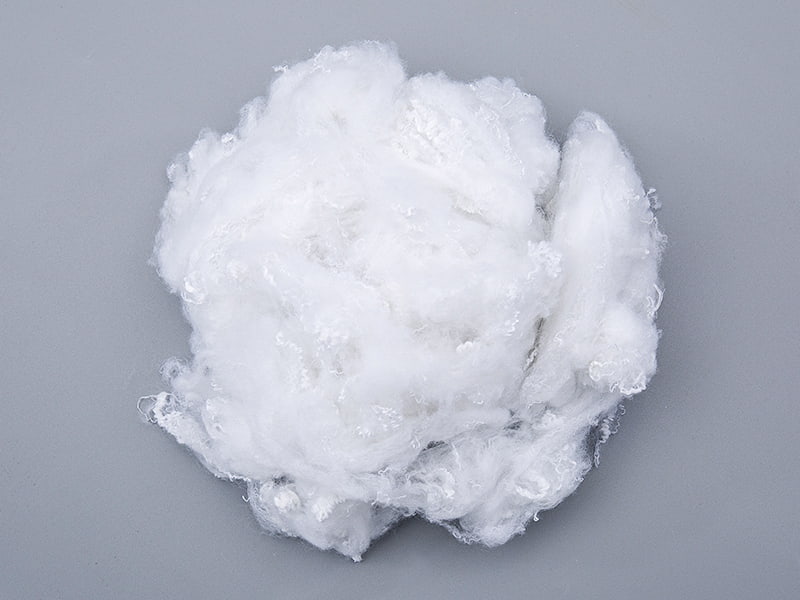
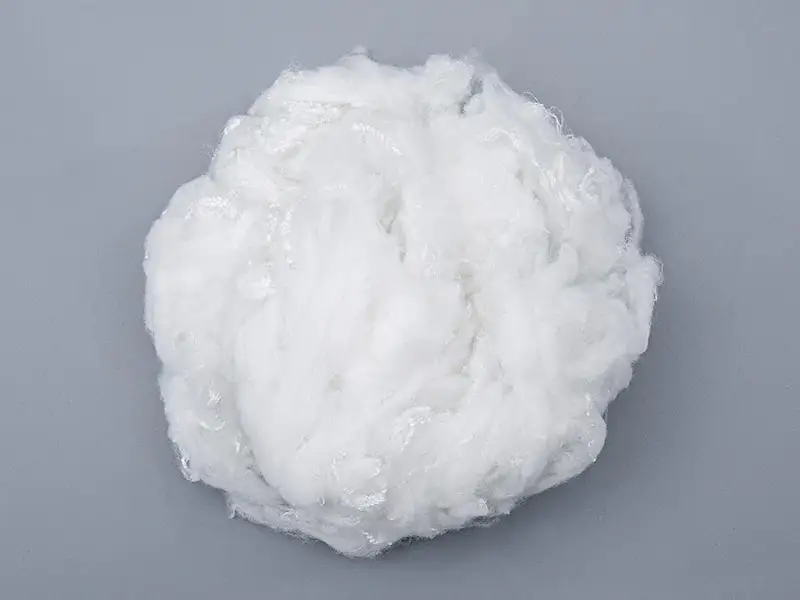
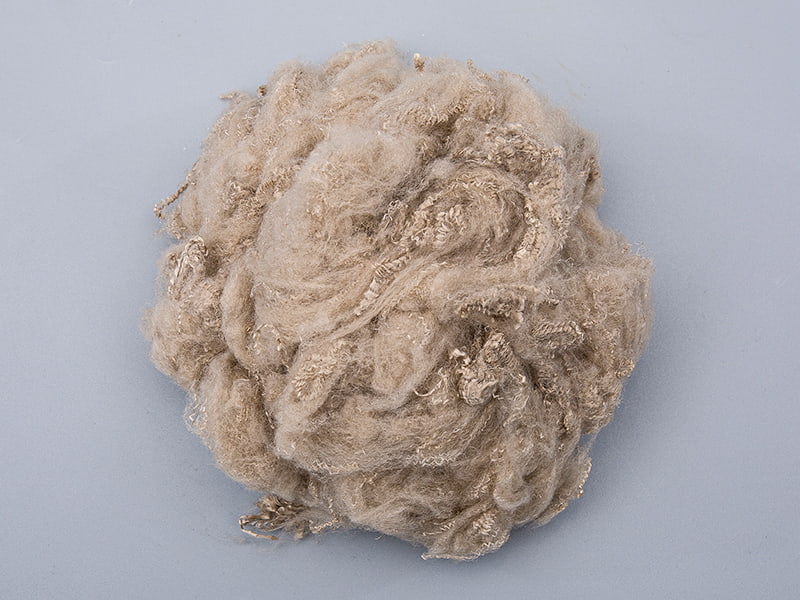
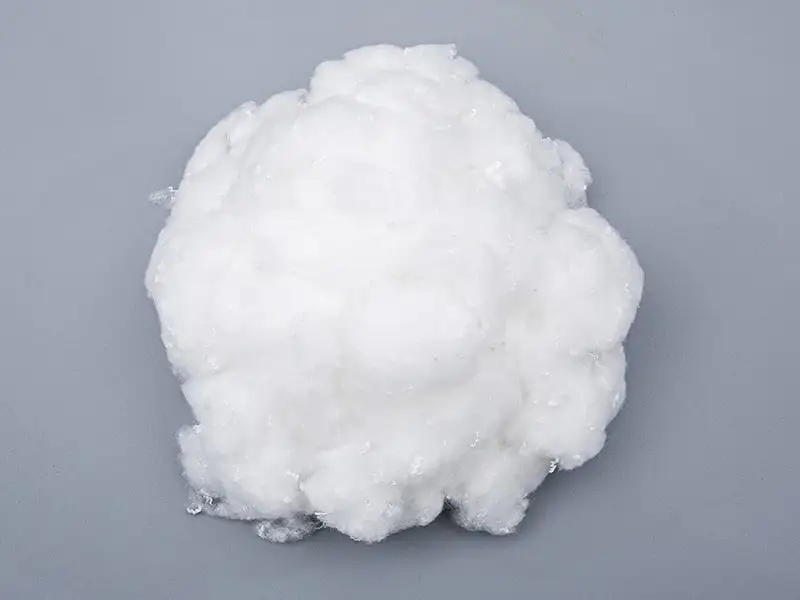
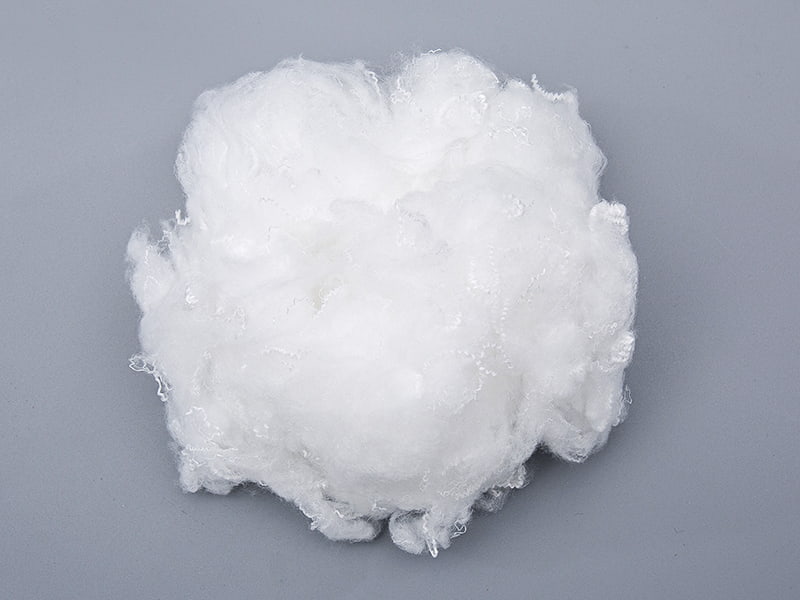
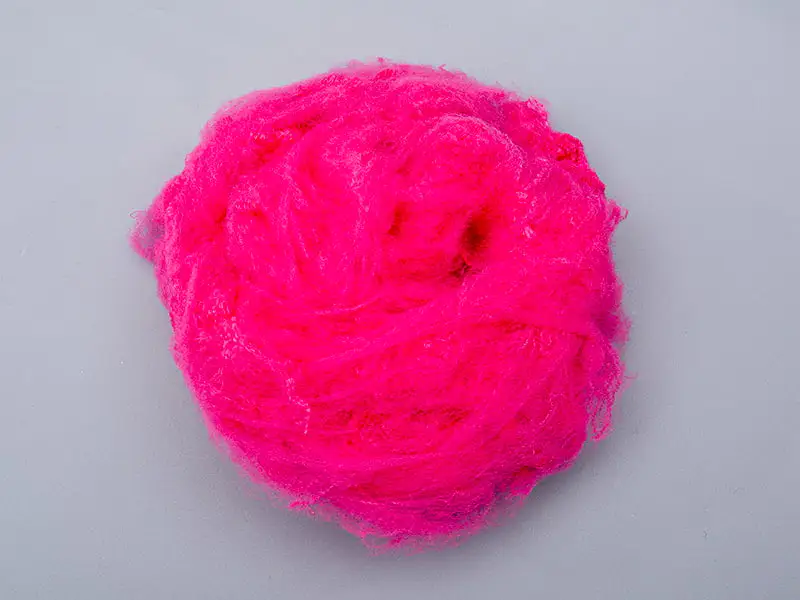
A modified fiber is a staple or filament fiber whose base polymer has been treated, copolymerized or coated to introduce a new property. In the polyester family, the most commercially important route is cationic modification, which adds positively charged sites to the polymer chain. These sites attract anionic dye molecules, which is why cationic modified fibers can be dyed in brighter shades and with fewer dye-bath additives than standard grades.
Standard polyester has few sites that can bind dye, so manufacturers rely on high temperature and carriers to force color into the fiber. Introducing cationic groups creates ionic attraction points, allowing dye uptake at lower temperatures and with more uniform penetration across the fiber cross section.
| Property | Conventional Polyester | Cationic Modified Fiber |
|---|---|---|
| Dyeing temperature | High, often above 120 C with carriers | Lower, with easier uptake |
| Color brightness | Moderate in blends | Brighter, more saturated shades |
| Antistatic behavior | Prone to static buildup | Improved static dissipation |
| Blend compatibility | Good with cotton and viscose | Good, with better shade matching |
| Typical use | General apparel and filling | Decorative textiles, interiors, specialty yarns |
When you assess any modified fiber, four performance areas usually determine whether it is worth switching. Each one affects a different stage of the supply chain, from the spinning frame to the finished product on the retail shelf.
Blended yarns show clearer shades and more even depth, reducing the need for re-dyeing and shade correction.
Improved surface conductivity limits dust attraction and cling, which matters in both garments and interior fabrics.
Consistent crimp and lubricant distribution support smoother carding and fewer end breaks on the ring frame.
Staple length can be matched to the fiber system, from short cotton-system cuts to longer worsted-type lengths.
A clear specification prevents mismatches between what is ordered and what runs on the machine. The following checklist covers the parameters most often requested in a quotation for cationic modified staple fiber.
Modified fiber suits any product where color depth, static control or fiber-to-fiber consistency matters. The table below summarizes typical end uses and the property that usually drives the choice.
| Application | Typical Product | Main Driver |
|---|---|---|
| Home textile | Curtains, carpets, upholstery fabric | Color depth and light fastness |
| Automotive interior | Seat and door trim fabrics | Shade consistency and durability |
| Textile spinning | Knitted and woven yarns | Spinning stability and blend uniformity |
| Filling materials | Pillows, bedding, plush toys | Resilience and low static |
| Nonwoven fabrics | Industrial and hygiene products | Web formation and bonding behavior |
In automotive interiors, for example, shade drift between production lots is a frequent cause of rejected fabric. A fiber with stable dye uptake reduces that risk, which is why many interior buyers now request dyeing trials before approving a supplier.
Choosing a modified fiber source involves more than comparing unit prices. Buyers who run structured trials tend to avoid costly surprises during volume production.
If you are sourcing cationic modified fiber for a new project, send your denier, cut length and expected monthly volume. Including your target shade and application will help us prepare a more accurate offer.
Modified fiber contains functional groups, such as cationic sites, that allow dye to bind at lower temperatures and with more even uptake. Regular polyester usually needs higher dyeing temperatures and carriers to achieve comparable depth of shade.
Home textile, automotive interior, spinning and nonwoven manufacturers are the most common users. Each values different properties, such as color fastness, static control or web formation, so specifications vary by application.
Yes, cut length is usually adjustable within a defined range to suit different spinning systems. Buyers should confirm the exact range and minimum order quantity with the supplier before finalizing a specification.
Begin with a small lot that matches your target denier and length, then run it through your normal blending and dyeing process. Record breakage rate, shade result and hand feel so you can compare it with your current fiber.
Emon Technology is willing to sincerely join hands with you, cooperate for win-win results, and create brilliance together!
Tel: +86-512-63679088
Email: [email protected]
[email protected]
[email protected]
[email protected]
[email protected]
Add:South of 318 National Highway, Miaotou Village, Meiyan, Wujiang, Jiangsu
Copyright © Suzhou Emon New Material Technology Co., Ltd. All rights reserved.



 English
 中文简体
 Español