2026.01.22
 Industry Information
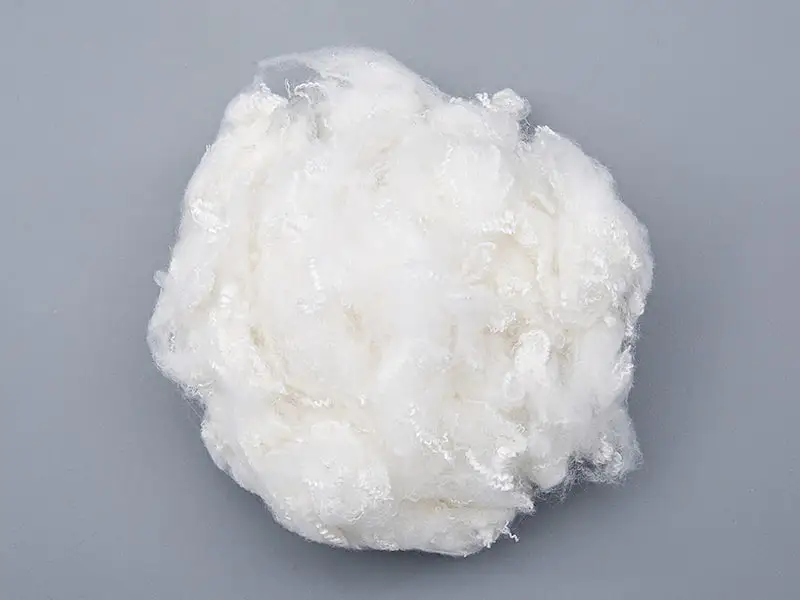
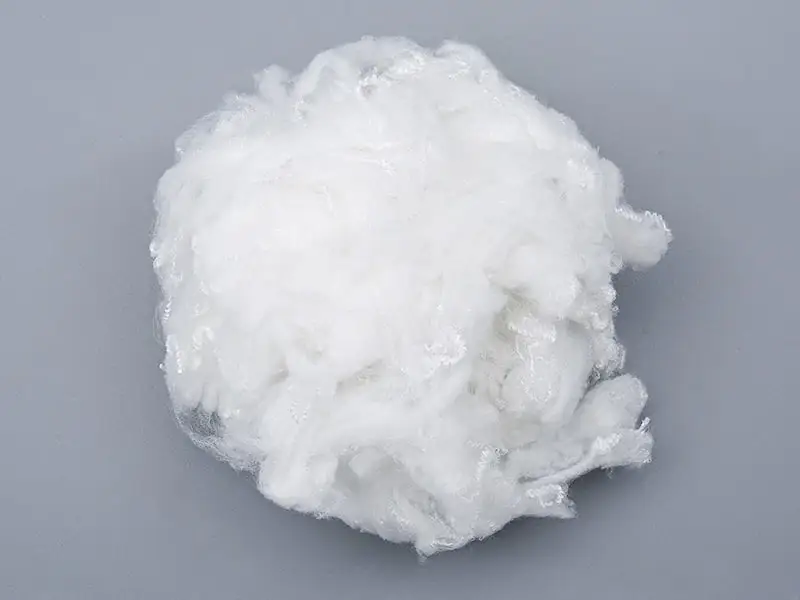
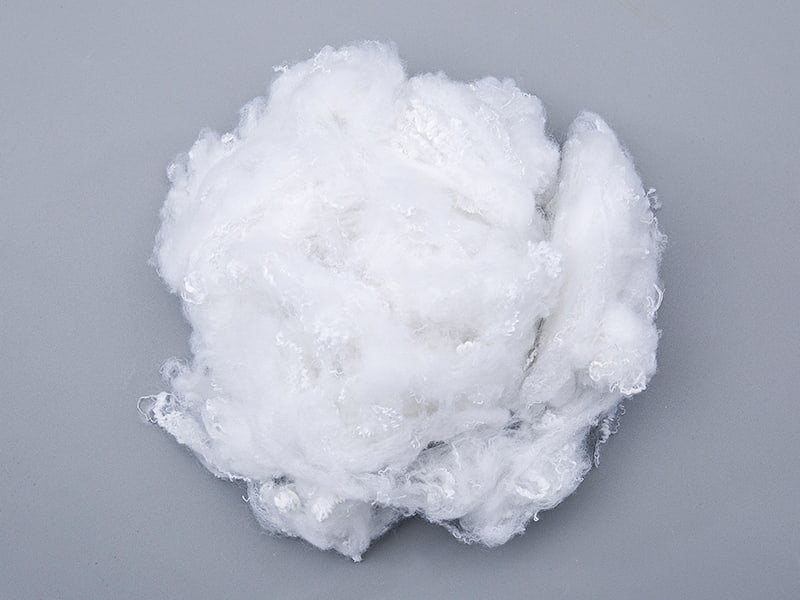
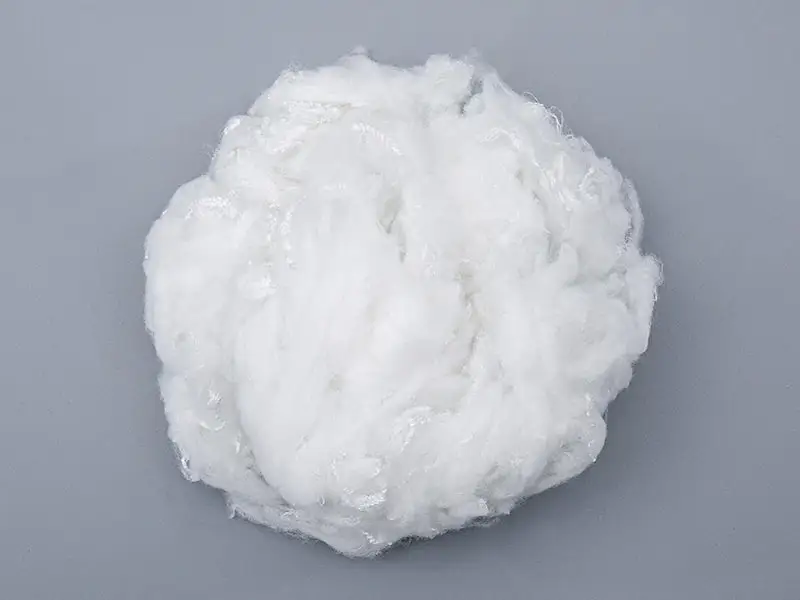
In the automotive industry, the demand for high-performance, cost-efficient, and eco-friendly materials is growing. Among these, nonwoven materials have emerged as a popular choice for various applications in automotive interior manufacturing. The unique properties of nonwoven fibers have made them suitable for an array of automotive components, from upholstery to sound insulation.
Nonwoven materials are fabrics that are produced by bonding or interlocking fibers together using methods that do not involve traditional weaving or knitting. Unlike woven fabrics, nonwoven fibers are produced by bonding individual fibers chemically, mechanically, or thermally. The result is a sheet or mesh structure with a variety of characteristics that can be tailored to meet specific performance requirements.
Flexibility and Strength: Nonwoven fibers are designed to possess a balance of flexibility and strength, allowing them to perform effectively in a range of applications.
Customizable Structure: The arrangement and bonding of fibers can be precisely controlled during production, enabling manufacturers to create nonwoven materials with various properties such as softness, durability, and resistance to wear and tear.
Cost-Effectiveness: Nonwoven materials are often more affordable than traditional fabrics, due to their simpler manufacturing process that eliminates the need for weaving or knitting.
Lightweight: Nonwoven materials are typically lighter than other textiles, which is an important factor in automotive design, where weight reduction is crucial for fuel efficiency.
Eco-Friendly: Many nonwoven materials are made from recyclable or biodegradable fibers, making them a sustainable option for manufacturers focused on reducing their environmental footprint.
The automotive industry is continually seeking innovative materials that enhance vehicle performance, safety, and comfort while being cost-effective. Nonwoven fibers meet these criteria and offer several advantages when used in automotive interior manufacturing.
Nonwoven materials can be used in a wide range of automotive interior applications, making them highly versatile. Some of the key applications include:
Upholstery: Nonwoven fabrics are commonly used for automotive seat covers, headliners, and door panels. The material’s ability to be molded into different shapes and its ability to be treated for softness and durability make it ideal for these applications.
Sound Insulation: Nonwoven materials are often used for noise reduction within the vehicle. Due to their dense structure, these materials help absorb sound and vibrations, enhancing passenger comfort.
Thermal Insulation: Nonwoven fibers are also used in automotive insulation systems. The material’s ability to resist heat while maintaining its structural integrity helps regulate the temperature inside the vehicle.
Filtration: Nonwoven fibers are used in air and cabin filters due to their high surface area and the ability to capture fine particles and pollutants effectively.
The production of nonwoven fibers is simpler and less expensive compared to traditional woven fabrics. Since nonwoven materials are made by bonding fibers together without the need for complex weaving or knitting processes, they are often produced at a lower cost. This cost advantage has made nonwoven materials an attractive choice for automotive manufacturers looking to reduce production costs without compromising on quality or performance.
Weight reduction is a critical consideration in automotive design, particularly for fuel efficiency and overall vehicle performance. Nonwoven materials are lightweight compared to traditional fabrics and other automotive materials, making them an ideal choice for components such as seat covers, trim panels, and sound insulation. Reducing the weight of these components contributes to improved fuel efficiency and reduced CO2 emissions.
Nonwoven fibers are known for their durability and resistance to wear and tear. They can withstand the rigors of daily use in automotive interiors, maintaining their integrity over time. This makes nonwoven materials ideal for high-stress areas such as seat covers, flooring, and door panels, where durability is crucial.
Nonwoven materials can be engineered to offer a soft, plush feel while maintaining structural integrity. This characteristic is especially important in applications such as seat covers and headliners, where comfort plays a significant role in consumer satisfaction. Nonwoven materials can also be combined with other materials such as foam or cushioning layers to further enhance comfort.
The production process of nonwoven fibers is a crucial factor in determining the material’s properties and performance. Several techniques are employed to create nonwoven materials, each offering unique advantages depending on the desired application.
Spunbonding is one of the commonly used techniques in nonwoven fabric production. In this process, continuous filaments of polymer are extruded and laid down in a random orientation on a conveyor belt. The filaments are then bonded together through heat, pressure, or chemical agents. This method is often used to create lightweight, strong, and flexible nonwoven materials.
Needle punching is a mechanical bonding process that uses barbed needles to interlock fibers into a dense fabric. This technique is commonly used for producing nonwoven materials with higher strength and durability, making it ideal for automotive applications such as floor mats and insulation.
Hydroentangling, or spunlace, involves using high-pressure water jets to entangle fibers into a nonwoven web. This method results in a soft, smooth fabric with drape and flexibility. Hydroentangled nonwoven materials are often used for automotive upholstery and seat covers, where a combination of softness and strength is required.
In the meltblowing process, polymer pellets are melted and extruded through fine nozzles, creating microfibers that are deposited onto a collection surface. The fine fibers produced in this method give the fabric a high surface area, making meltblown nonwoven materials ideal for applications requiring filtration or absorbency, such as cabin air filters.
Nonwoven materials offer a host of advantages that make them an attractive option for automotive interior applications. These advantages include:
Design Flexibility: Nonwoven fibers can be molded, shaped, and customized to meet specific design requirements, making them suitable for a variety of interior applications.
Breathability: Nonwoven materials allow for air circulation, which can help regulate temperature and reduce moisture buildup inside the vehicle.
Moisture Resistance: Many nonwoven materials are resistant to moisture, making them ideal for use in areas that are exposed to high humidity or water, such as floor mats and seat cushions.
Aesthetic Appeal: Nonwoven materials can be finished with various textures and coatings, allowing them to achieve the desired aesthetic for automotive interiors.
Nonwoven materials offer several advantages, including cost-effectiveness, lightweight construction, durability, versatility, and eco-friendliness. These properties make them ideal for applications such as upholstery, sound insulation, and filtration.
Nonwoven materials are typically lighter than traditional fabrics and other materials used in automotive interiors, helping reduce the overall weight of the vehicle. This contributes to improved fuel efficiency and reduced CO2 emissions.
Yes, nonwoven materials can be tailored to meet specific requirements by adjusting factors such as fiber composition, bonding method, and finish. This makes them highly versatile for different automotive applications.
Nonwoven materials are commonly used for seat covers, headliners, door panels, sound insulation, thermal insulation, and filtration systems in automotive interiors.
Emon Technology is willing to sincerely join hands with you, cooperate for win-win results, and create brilliance together!
Tel: +86-512-63679088
Email: [email protected]
[email protected]
[email protected]
[email protected]
[email protected]
Add:South of 318 National Highway, Miaotou Village, Meiyan, Wujiang, Jiangsu
Copyright © Suzhou Emon New Material Technology Co., Ltd. All rights reserved.



 English
 中文简体
中文简体 Español