

 English
 中文简体
中文简体 Español
2.5D EMFB-01 Black Non-woven Hem Fabric
LEARN MORE
Non woven fibers, as a type of non-woven fabric material, are unique in that their production process does not require the warp and weft interweaving steps in traditional textile technology. Instead, fibers are directly stacked, entangled, or bonded through chemical, physical, or mechanical methods to form sheet or mesh structures with certain strength and flexibility. Our non-woven fiber products are carefully selected from high-quality raw materials, carefully screened and pre treated to ensure that each fiber has physical and chemical properties. During the production process, efficient techniques such as combing, mesh laying, and reinforcement are used to precisely control the arrangement and bonding of fibers. The application fields of non-woven fibers are extremely wide, covering almost every aspect of daily life, from medical and hygiene materials (such as surgical gowns, masks, bandages), home decoration (such as wall coverings, curtains), industrial filter materials, automotive interiors, to agricultural covering materials, building waterproofing membranes, etc. Meet performance requirements in diverse usage scenarios.
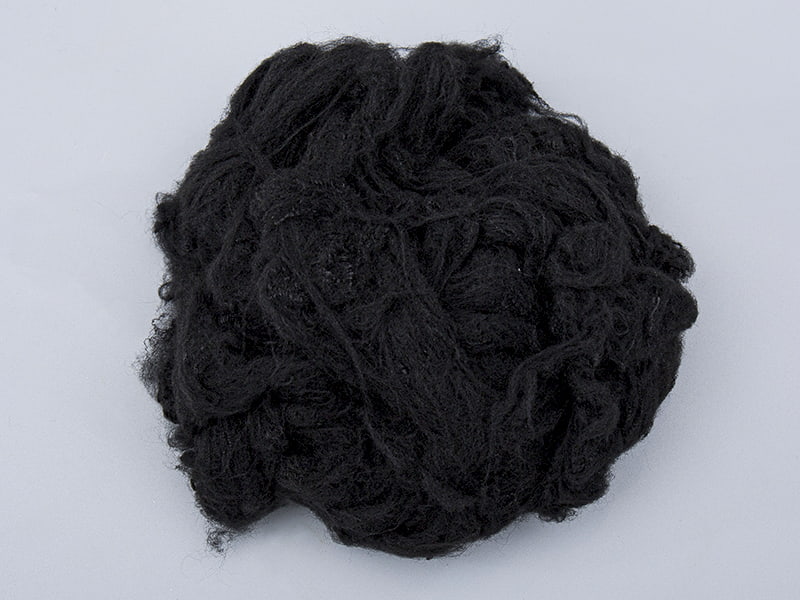
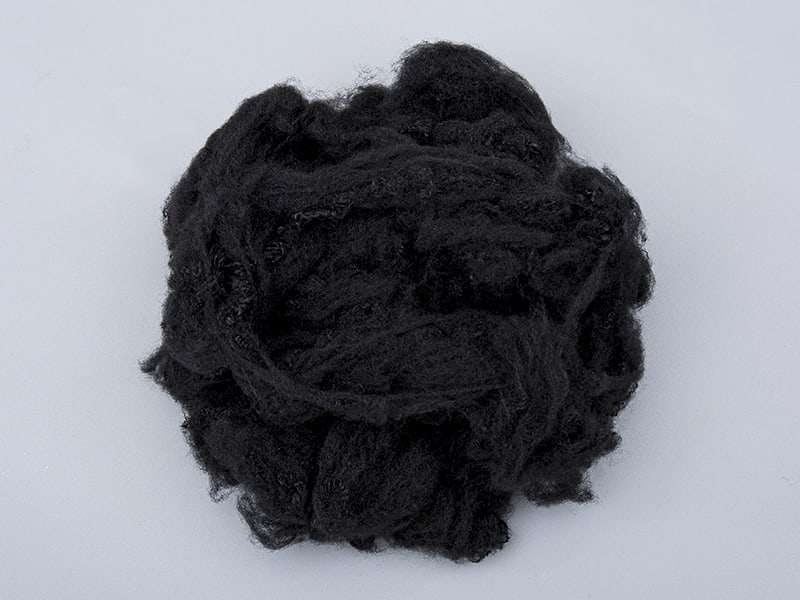
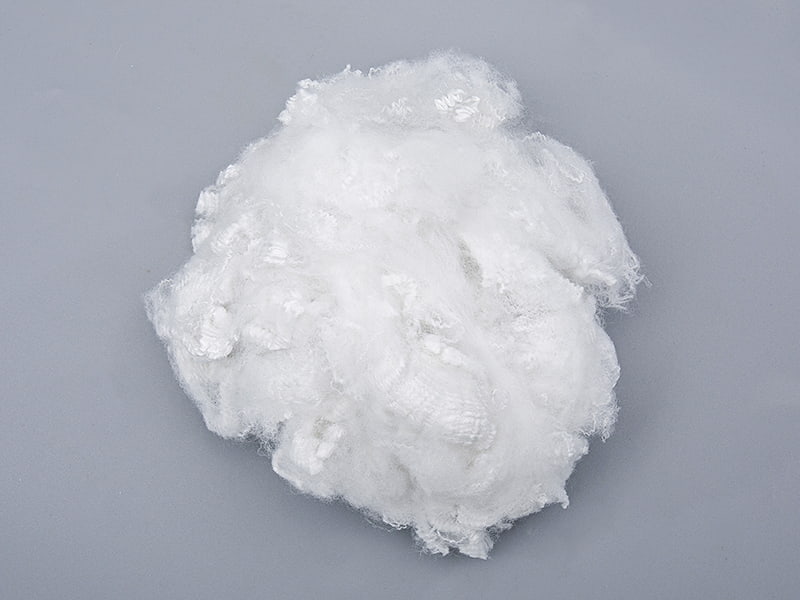
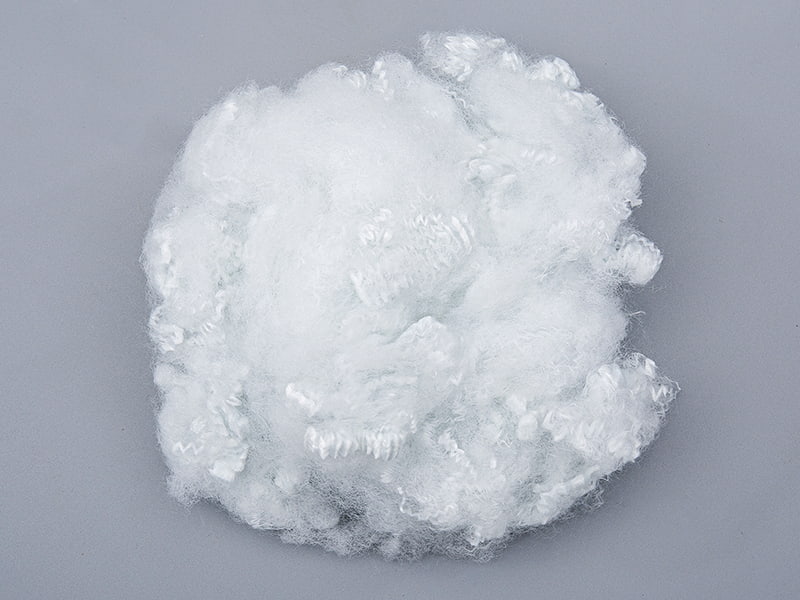
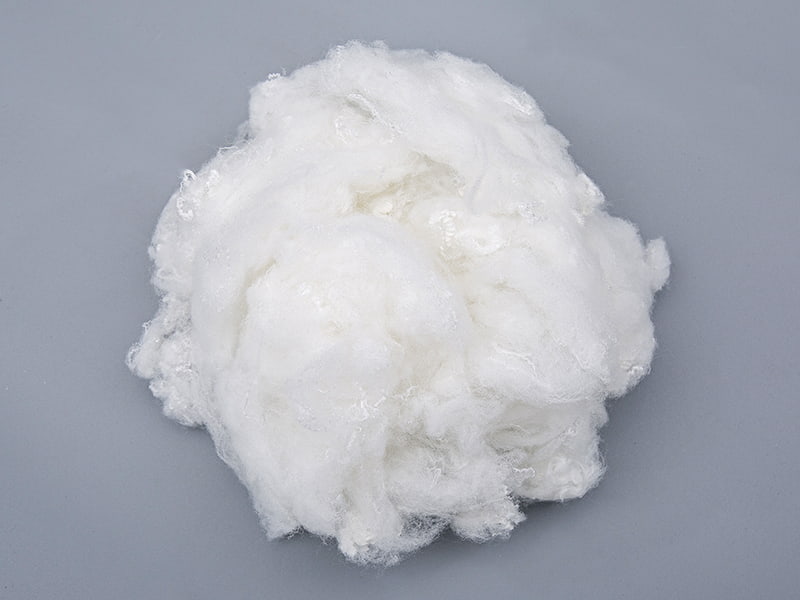
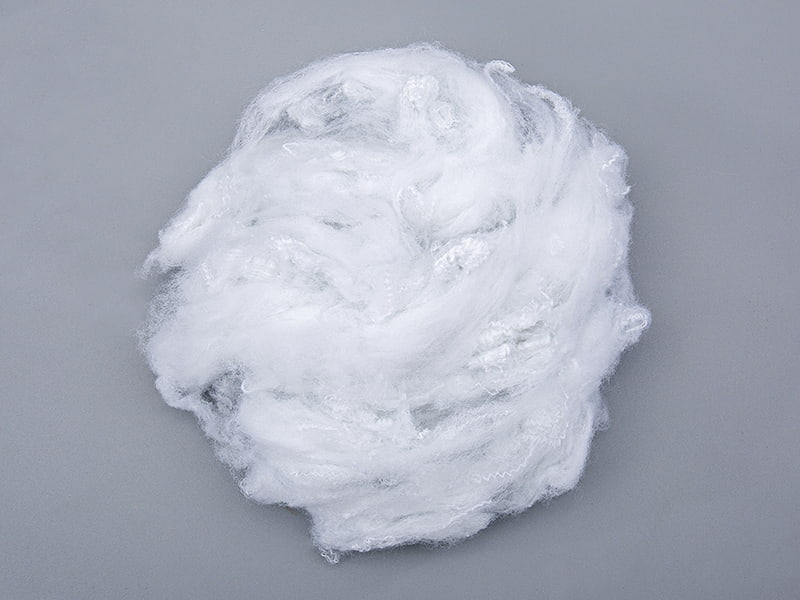
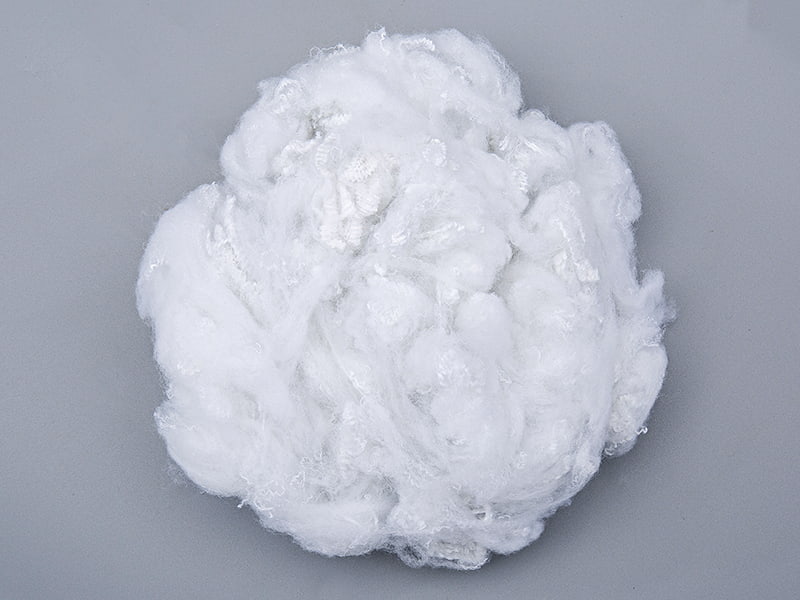
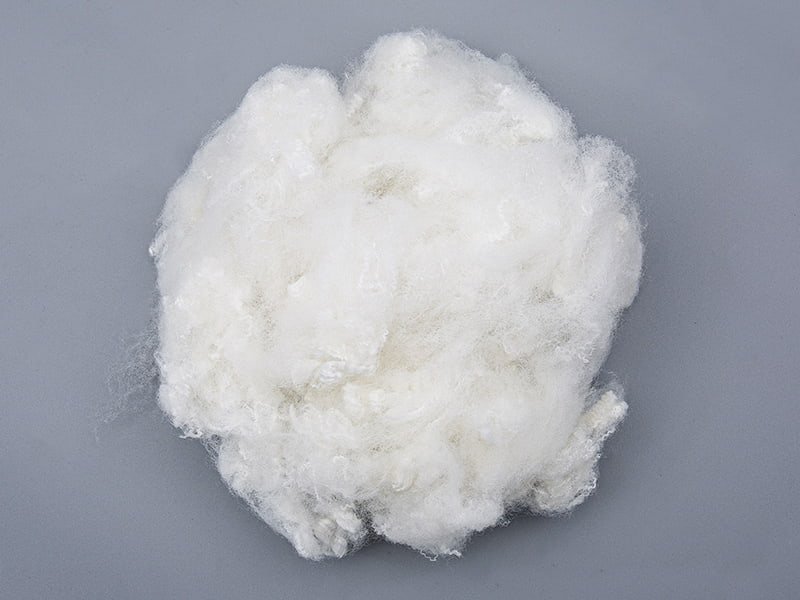
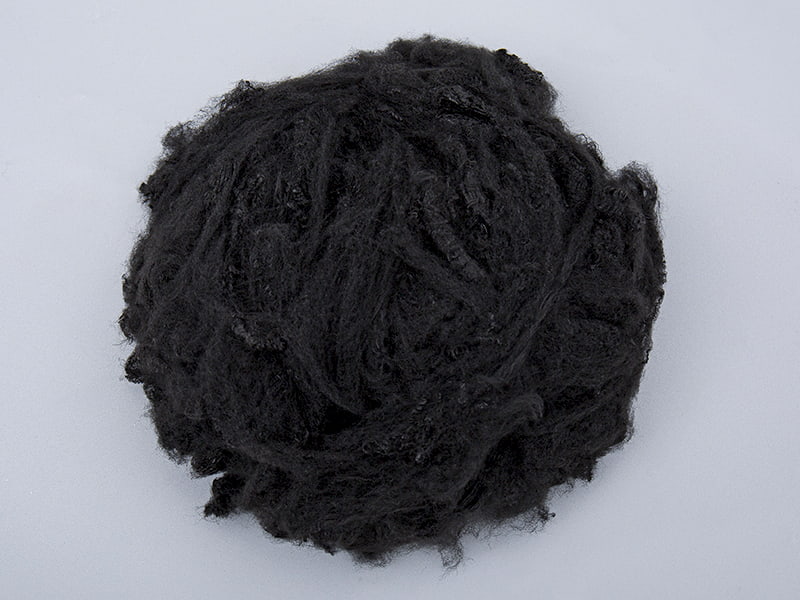

In modern textile engineering, non-woven fibers have emerged as a critical material category that bypasses traditional weaving and knitting processes. Instead of interlacing yarns, non-woven structures are formed through fiber bonding methods such as mechanical entanglement, thermal bonding, or chemical adhesion. This structural difference leads to significant improvements in production efficiency, material customization, and functional adaptability.
Unlike conventional textiles, non-woven fabrics can be engineered directly from fiber webs, enabling highly controlled performance characteristics such as breathability, filtration efficiency, and lightweight durability.
The fundamental difference lies in how fibers are assembled.
| Aspect | Non-Woven Fibers | Traditional Textiles |
|---|---|---|
| Structure | Random fiber web bonding | Interlaced warp and weft yarns |
| Production Process | Direct fiber bonding | Weaving or knitting |
| Flexibility of Design | High (layer control possible) | Moderate |
| Production Speed | High efficiency | Relatively slower |
| Material Waste | Low | Higher due to cutting/weaving loss |
| Functional Integration | Easy (multi-layer design) | Limited |
This structural simplicity gives non-woven fiber materials a significant advantage in scalability and functional customization.
One of the important advantages of non-woven fibers is production speed. The elimination of spinning, weaving, and knitting stages reduces processing time significantly. This allows manufacturers to respond quickly to market demand and optimize large-scale production systems.
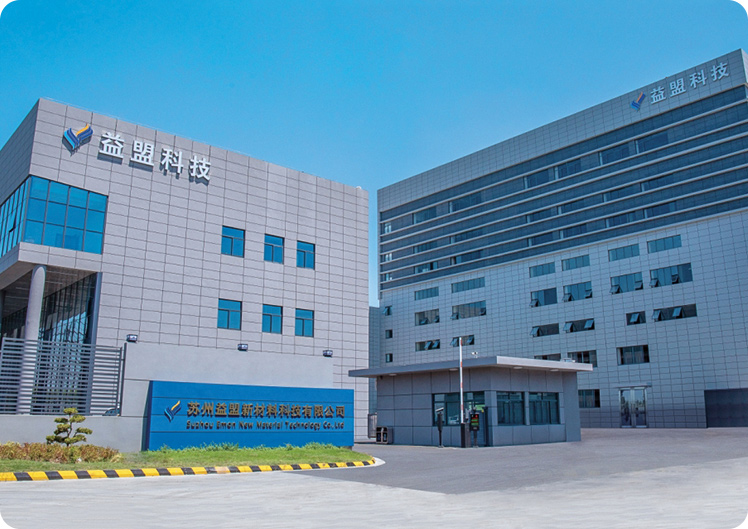
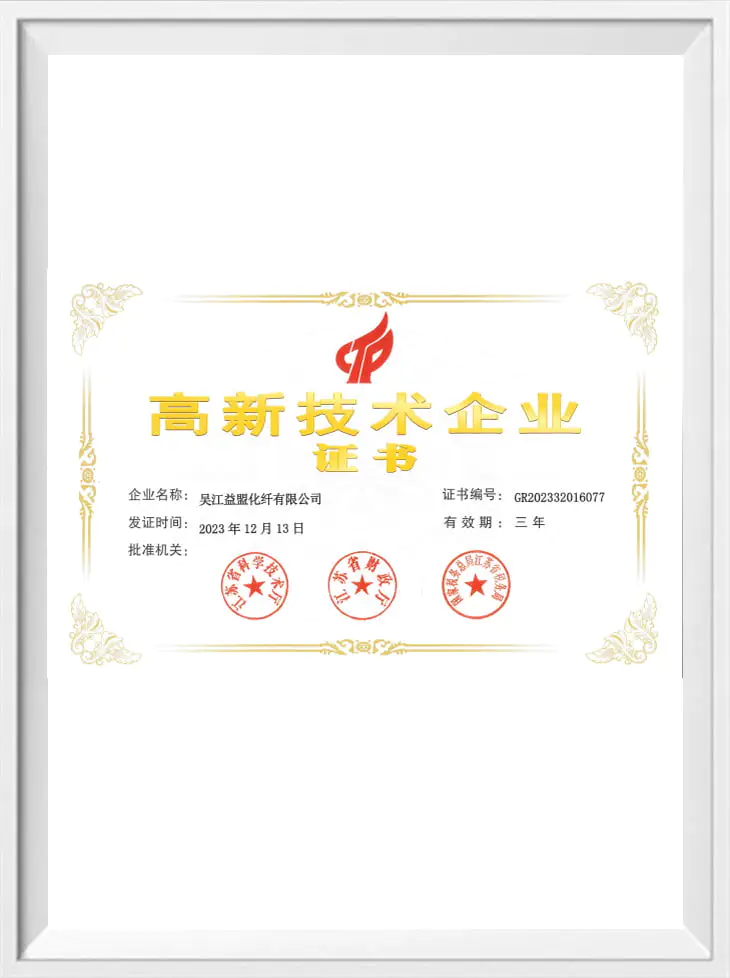
Suzhou Emon New Material Technology Co., Ltd., a modern large-scale chemical fiber manufacturing enterprise, has integrated advanced production systems that support efficient non-woven fiber output. By applying melt spinning and other advanced technologies, production consistency and efficiency are significantly improved.
Non-woven fibers can be engineered for specific performance requirements. Through fiber blending and process control, materials can achieve targeted properties such as:
This functional flexibility makes non-woven fabrics suitable for diverse industrial and consumer applications.
Suzhou Emon New Material Technology Co., Ltd. focuses on functional development through advanced R&D systems, enabling chemical fiber products with enhanced comfort and durability, including breathable and heat-retentive structures.
Due to their loose fiber network, non-woven materials offer air permeability while maintaining structural integrity. This makes them ideal for applications requiring comfort, filtration, or absorption.
Compared to traditional textiles, non-woven fibers provide:
These characteristics are especially valuable in hygiene materials, medical textiles, and industrial filtration systems.
Non-woven fiber production reduces multiple processing steps, which results in lower overall manufacturing costs. Additionally, material waste is minimized through direct formation processes, thereby improving resource efficiency.
Suzhou Emon New Material Technology Co., Ltd. further enhances sustainability by utilizing recycled polyester resources. Through partnerships with local textile and chemical fiber mills, as well as recycled bottle flake supply chains, the company ensures efficient and continuous resource utilization.
Non-woven structures can easily be designed in multilayer formats, allowing different functional layers to be combined into a single material system. For example, a filtration layer, support layer, and protective layer can be integrated without complex weaving processes.
This adaptability is a core reason why non-woven fibers are widely used in advanced material engineering.
| Application Area | Functional Requirement | Non-Woven Fiber Advantage |
|---|---|---|
| Medical textiles | Sterility, breathability | High filtration & hygiene performance |
| Industrial filtration | Particle capture efficiency | Controlled pore structure |
| Apparel lining | Comfort & moisture control | Lightweight breathable structure |
| Automotive interiors | Durability & insulation | Heat resistance & stability |
| Packaging materials | Strength & flexibility | Cost-effective lightweight support |
Modern non-woven fiber development relies heavily on technological innovation. Suzhou Emon New Material Technology Co., Ltd. has invested in advanced production equipment and fiber processing systems, including melt spinning and differential fiber production lines. These technologies allow the creation of recycled functional fibers with improved spinnability and dyeability.
The company’s R&D center focuses on:
Through these innovations, non-woven fibers achieve performance parity with traditional materials while maintaining higher efficiency.
A major advantage of non-woven fiber systems is their compatibility with recycled raw materials. By utilizing recycled polyester, manufacturers can significantly reduce environmental impact while maintaining product quality.
Emon implements efficient recycling systems by integrating local raw material sources, ensuring a stable supply chain for sustainable fiber production. This approach supports both environmental responsibility and industrial scalability.
Non-woven fibers represent a transformative material system that combines efficiency, functionality, and sustainability. Compared to traditional textiles, they offer adaptability, simplified production processes, and enhanced performance customization.
1. What are non-woven fibers mainly used for?
They are widely used in medical textiles, filtration systems, hygiene products, automotive interiors, and industrial applications due to their flexibility and performance customization.
2. How do non-woven fibers differ from woven fabrics?
Non-woven fibers are bonded directly without weaving or knitting, while woven fabrics rely on interlaced yarn structures.
3. Are non-woven fibers environmentally friendly?
Yes, especially when produced using recycled polyester materials, which reduce waste and support sustainable manufacturing.
4. Can non-woven fibers be customized for special functions?
Yes, they can be engineered for antibacterial, UV-resistant, flame-retardant, and moisture-regulating properties.
5. Why are non-woven fibers becoming more popular in industry?
Because they combine high production efficiency, cost-effectiveness, and advanced functional performance in a single material system.
Emon Technology is willing to sincerely join hands with you, cooperate for win-win results, and create brilliance together!
Tel: +86-512-63679088
Email: [email protected]
[email protected]
[email protected]
[email protected]
[email protected]
Add:South of 318 National Highway, Miaotou Village, Meiyan, Wujiang, Jiangsu
Copyright © Suzhou Emon New Material Technology Co., Ltd. All rights reserved.
