

 English
 中文简体
中文简体 Español
1.4D EM-06F Special Grade Yellowish Light Fiber
LEARN MORE
Our spinning fibers are sourced from carefully selected natural or synthetic materials, and undergo rigorous screening, purification, and scientific proportioning treatment to ensure that each fiber has physical properties and chemical stability. These spinning fibers, whether derived from natural resources such as cotton, hemp, wool, and silk, or high-tech synthetic polyester fibers, nylon, synthetic fibers, etc., are all produced in accordance with international quality standards. They exhibit strength and wear resistance, maintaining stable shape and good spinnability during high-speed spinning, effectively reducing yarn breakage rate, and improving production efficiency and product quality. We focus on the moisture absorption, breathability, and comfort of fibers. Through advanced modification technology, we make fibers more suitable for different seasons and wearing environments while maintaining their original characteristics.
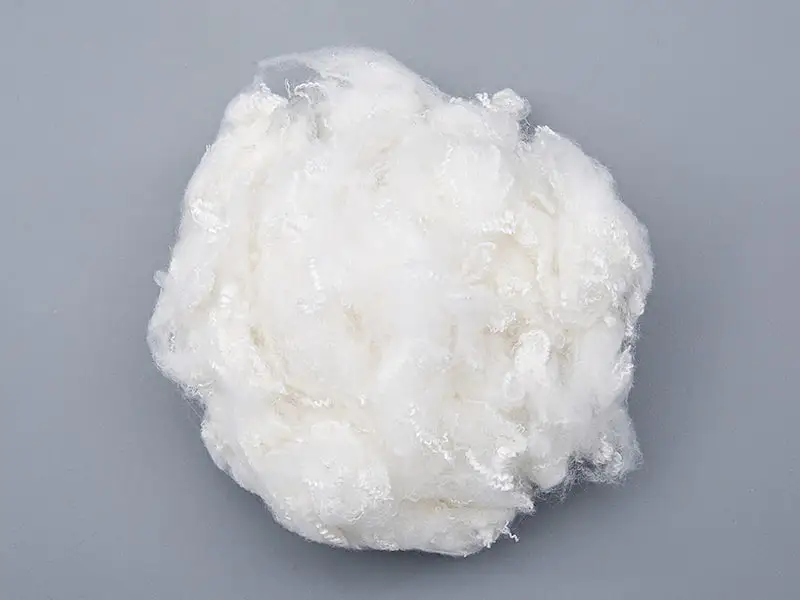
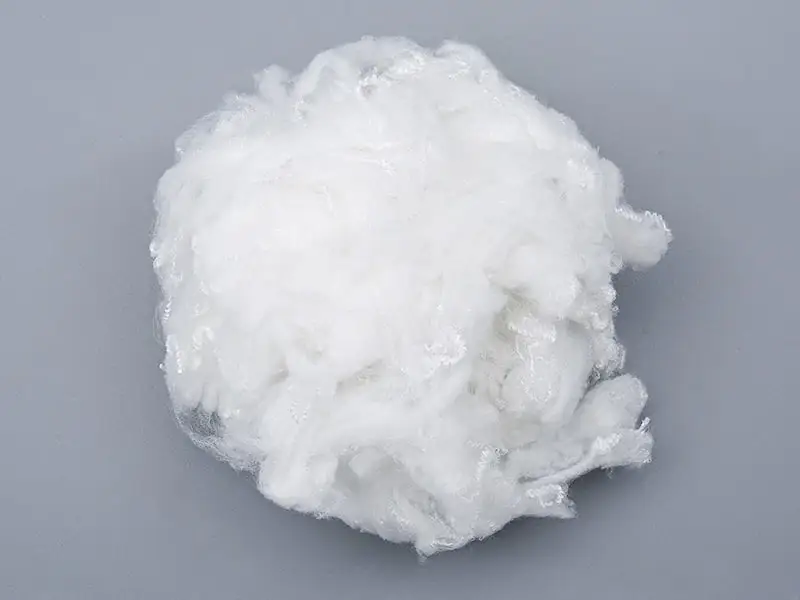
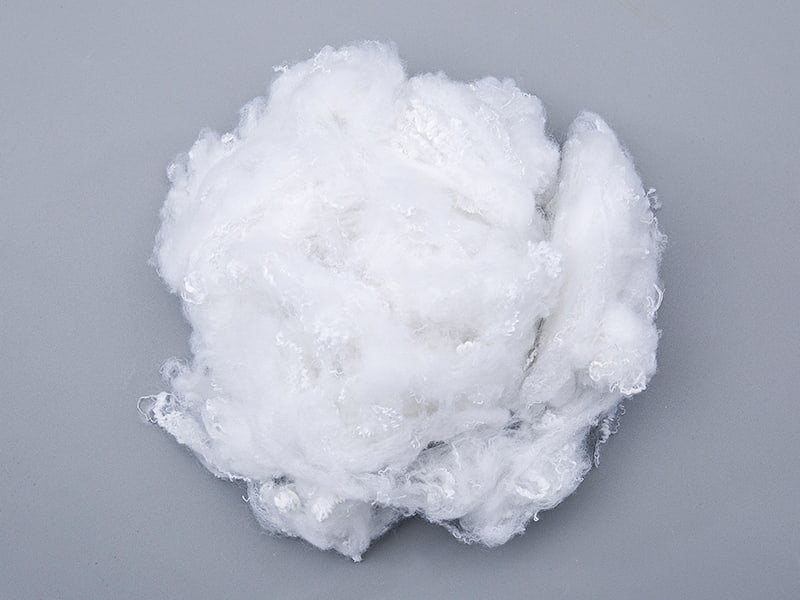
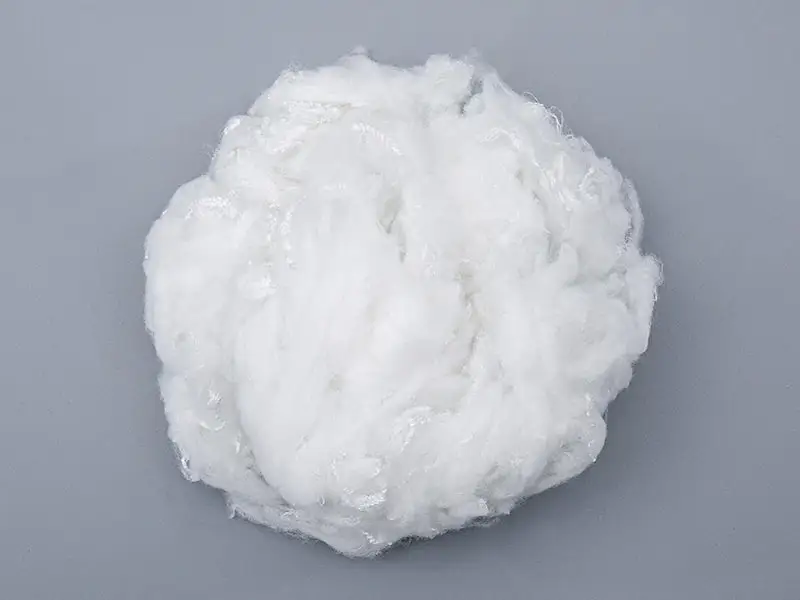
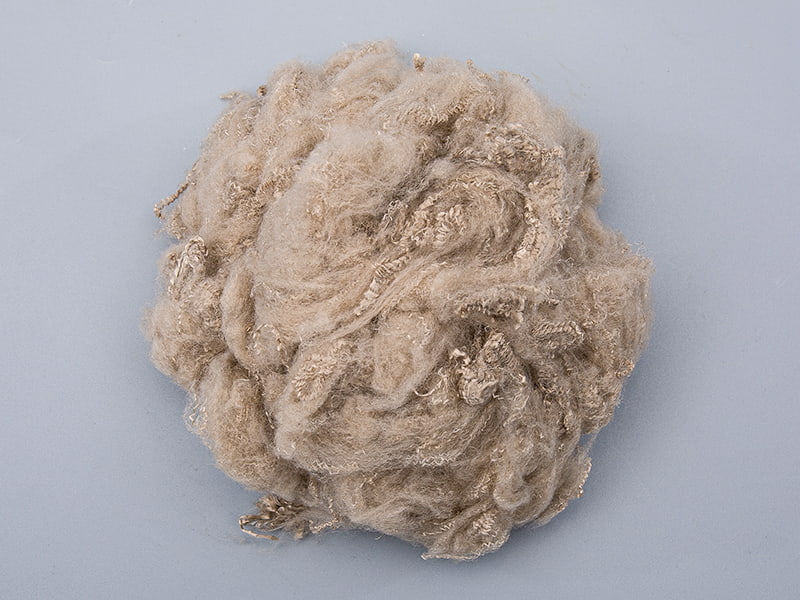
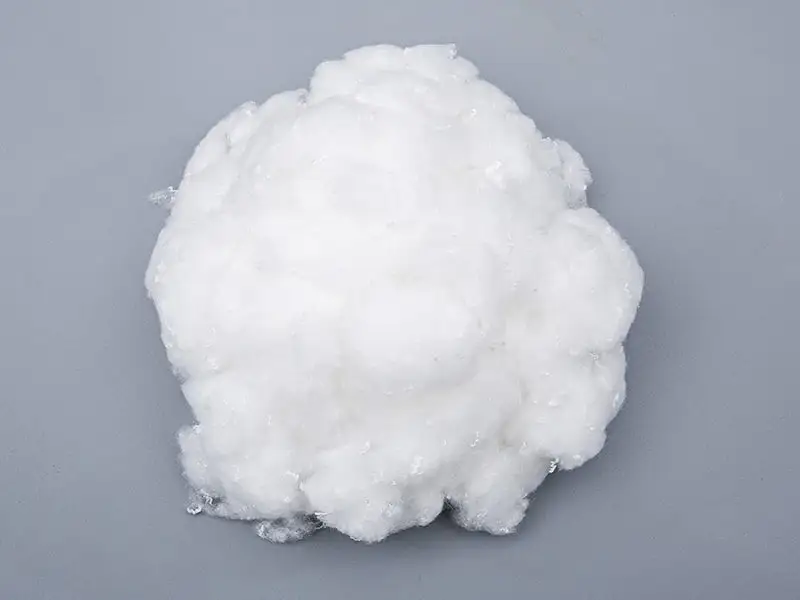
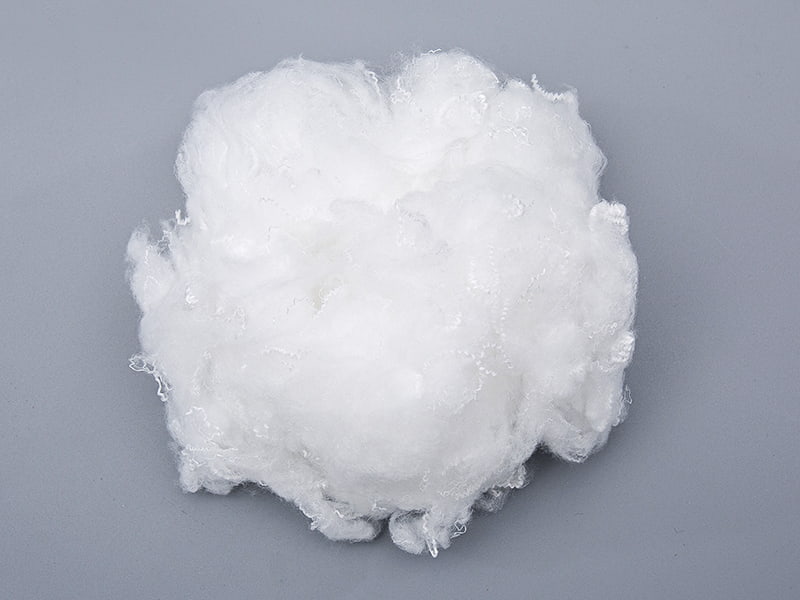
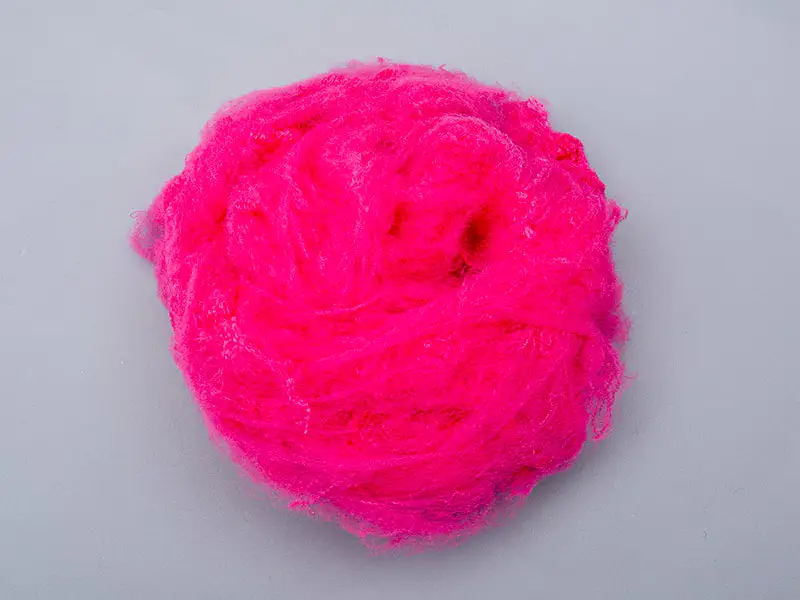
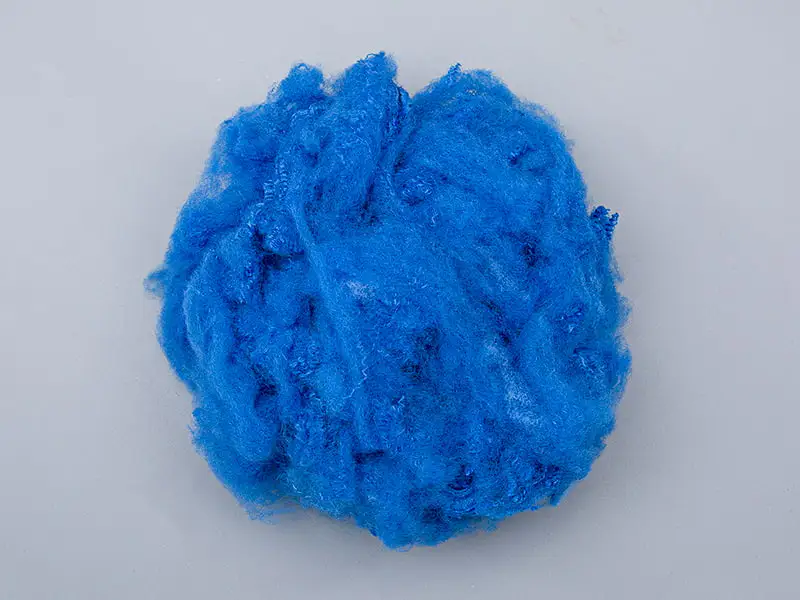
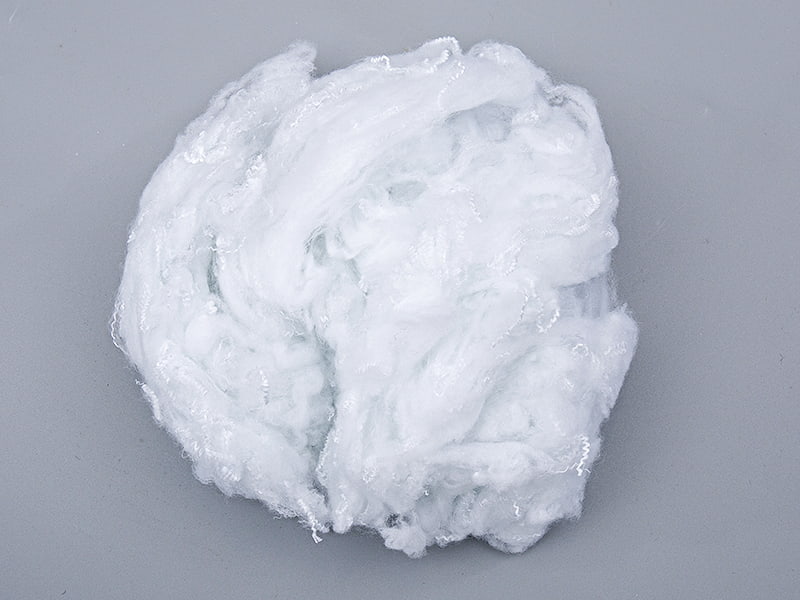

In contemporary textile engineering, spun fibers serve as a foundational element that directly determines yarn integrity, processing stability, and final fabric performance. By optimizing fiber morphology, surface characteristics, and uniformity, spun fibers significantly enhance fiber cohesion during spinning, reduce breakage rates, and improve overall production continuity. As demand grows for high-performance textiles and sustainable materials, understanding their functional role becomes essential for efficient yarn manufacturing.
The strength of yarn is primarily influenced by fiber cohesion, alignment, and frictional interaction during twisting. Spun fibers improve these factors through controlled structural design.
Key mechanisms include:
These features contribute to higher tensile strength and reduced yarn breakage during high-speed spinning operations.
| Fiber Structure Feature | Functional Effect on Yarn | Resulting Benefit |
|---|---|---|
| Increased surface roughness | Higher friction between fibers | Improved yarn cohesion |
| Controlled fiber length | Reduced weak spots | Higher tensile strength |
| Uniform fineness | Stable stress distribution | Better durability |
| Low impurity content | Reduced spinning defects | Improved yarn quality |
Spinning efficiency depends on fiber flow stability, machine compatibility, and reduction of processing interruptions. Spun fibers enhance efficiency through improved process adaptability.
Main advantages include:
In modern spinning mills, the integration of high-quality spun fibers helps stabilize production output while lowering energy consumption per unit yarn.
| Spinning Stage | Efficiency Challenge | Spun Fiber Contribution |
|---|---|---|
| Opening & cleaning | Fiber entanglement | Improved dispersion |
| Carding | Fiber unevenness | Better alignment |
| Drawing | Slippage issues | Stable fiber flow |
| Spinning | Yarn breakage | Increased continuity |
Different spun fiber types are engineered to meet specific textile performance requirements. Their structure and material composition directly influence yarn strength and processing adaptability.
| Spun Fiber Type | Key Characteristics | Primary Application |
|---|---|---|
| High-strength spun fibers | High tensile resistance | Industrial yarns, technical textiles |
| Fine-denier spun fibers | Soft texture, uniformity | Apparel and clothing fabrics |
| Hollow spun fibers | Lightweight, thermal insulation | Filling materials, bedding |
| Recycled polyester spun fibers | Eco-friendly, stable performance | Nonwoven fabrics, spinning yarns |
These variations allow manufacturers to tailor yarn performance based on end-use requirements.
Spun fibers are widely used in multiple spinning systems, each requiring different fiber performance characteristics.
| Spinning Method | Key Requirement | Spun Fiber Advantage |
|---|---|---|
| Ring spinning | High cohesion and strength | Stable yarn formation, improved durability |
| Vortex spinning | High fiber orientation control | Reduced hairiness, smooth yarn surface |
| Air spinning | Fiber dispersion and airflow compatibility | Efficient processing, uniform yarn structure |
The adaptability of spun fibers across these systems makes them essential for modern high-efficiency textile production lines.
With increasing demand for sustainable textile solutions, recycled polyester fiber products have become a major focus in spinning applications. These fibers maintain strong spinnability while supporting environmental objectives.
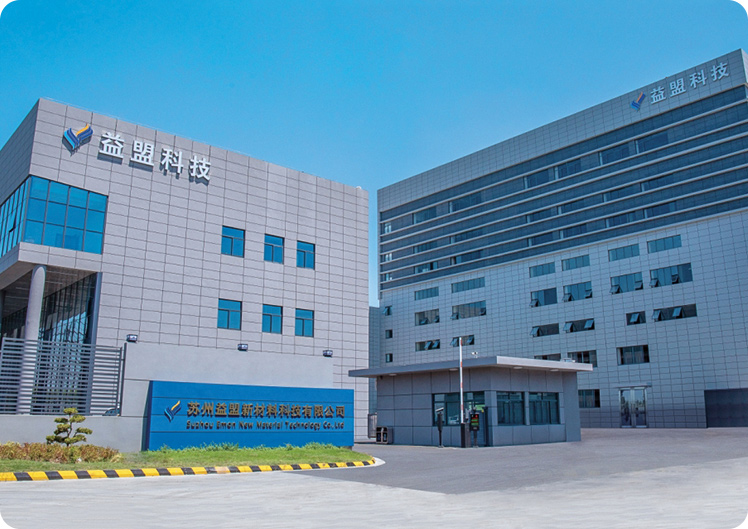
Suzhou Emon New Material Technology Co., Ltd. is a modern large-scale chemical fiber manufacturing enterprise with advanced production systems and strong technological capabilities. The company mainly produces a variety of recycled polyester fiber products widely used in spinning (including vortex spinning, ring spinning, and air spinning), filling applications (such as three-dimensional hollow and two-dimensional fibers), and non-woven fabric production.
A key advantage of these materials lies in their balanced performance between sustainability and functionality. In particular, recycled spun fibers demonstrate:
| Performance Aspect | Recycled Spun Fibers | Functional Outcome |
|---|---|---|
| Spinnability | High stability | Smooth spinning process |
| Dyeability | Uniform absorption | Consistent fabric color |
| Mechanical strength | Reliable durability | Long service life |
| Environmental impact | Resource recycling | Reduced carbon footprint |
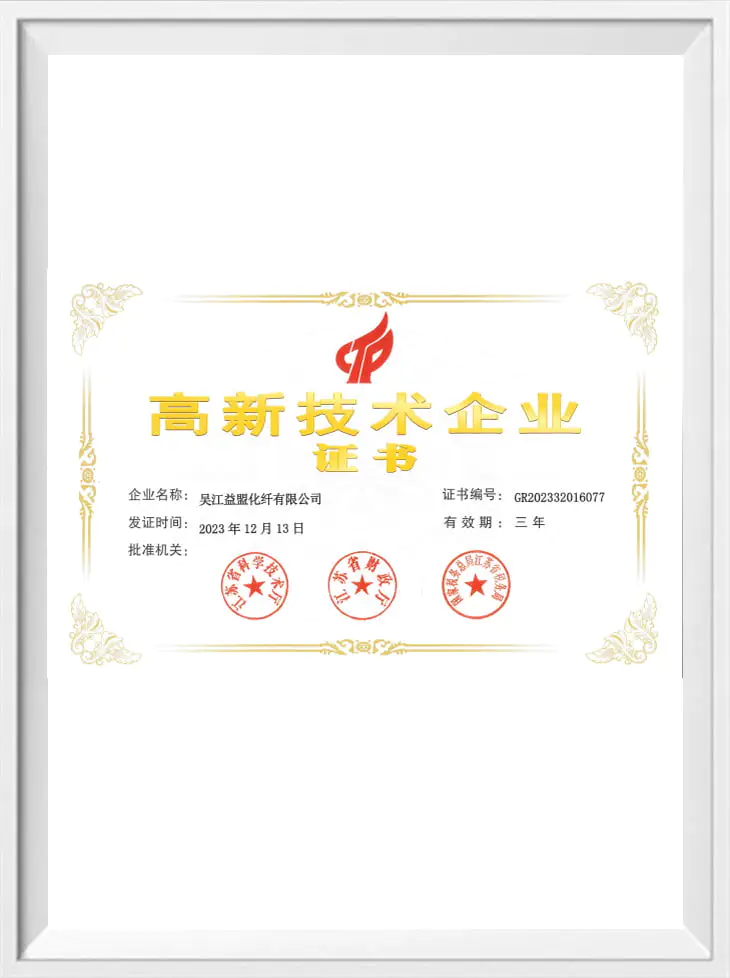
Emon technology relies on integrated local textile and recycled bottle resource networks to ensure continuous raw material supply. Since 2015, Suzhou Emon New Material Technology Co., Ltd. has obtained ISO9001:2015, ISO14001:2015, ISO45001:2018, and ISO50001:2018 certifications. Based on GRS and OEKO-TEX standards, the company continues to advance toward higher-level green fiber certification goals.
Through adherence to the philosophy of “integrity-based, quality-oriented development,” Emon technology continues to enhance fiber engineering capabilities and support global textile sustainability.
The performance of spun fibers plays a decisive role in determining both yarn strength and spinning efficiency. By improving fiber cohesion, optimizing processing stability, and supporting compatibility with advanced spinning systems, spun fibers enable higher-quality textile production with reduced operational loss. In parallel, recycled polyester spun fibers are reshaping the industry by combining performance reliability with environmental responsibility.
Q1: Why are spun fibers important for yarn strength?
Spun fibers improve inter-fiber friction and alignment, which enhances yarn cohesion and reduces breakage during spinning.
Q2: How do spun fibers improve spinning efficiency?
They reduce processing interruptions, improve fiber flow stability, and lower waste during spinning operations.
Q3: Can spun fibers be used in different spinning systems?
Yes, they are compatible with ring spinning, vortex spinning, and air spinning due to their structural adaptability.
Q4: What is the advantage of recycled polyester spun fibers?
They offer stable performance, good dyeability, and environmental benefits through resource recycling.
Q5: What industries commonly use spun fibers?
They are widely used in apparel textiles, industrial fabrics, nonwoven materials, and filling applications.
Emon Technology is willing to sincerely join hands with you, cooperate for win-win results, and create brilliance together!
Tel: +86-512-63679088
Email: [email protected]
[email protected]
[email protected]
[email protected]
[email protected]
Add:South of 318 National Highway, Miaotou Village, Meiyan, Wujiang, Jiangsu
Copyright © Suzhou Emon New Material Technology Co., Ltd. All rights reserved.
