2026.10.02
 Industry Information
In modern textile manufacturing, the demand for materials that deliver more than basic functionality has become critical. Functional fibers represent a fundamental shift from traditional synthetic fibers to engineered materials that provide specific performance characteristics—whether antibacterial properties, flame resistance, moisture-wicking capability, or thermal regulation. These specialized fibers are no longer optional enhancements; they are core ingredients in contemporary non-woven fabrics, sportswear, home textiles, medical supplies, and industrial protective materials. Unlike standard polyester or acrylic fibers, functional fibers integrate performance directly into the fiber structure through physical modification, chemical treatment, or advanced spinning technology. As a leading textile fiber manufacturer in China, Emon specializes in developing custom functional fiber solutions that help textile producers, non-woven manufacturers, and end-product companies meet evolving market demands for safety, comfort, sustainability, and performance. Whether you require flame-retardant staple fibers, bamboo charcoal functionality, or recycled polyester variants, understanding the landscape of functional fibers is essential for making informed sourcing decisions.
Functional fibers are textile materials engineered to possess inherent performance properties beyond conventional fiber characteristics. These properties—such as antimicrobial action, fire resistance, ultraviolet protection, electrical conductivity, moisture management, or thermal energy storage—are incorporated directly into the fiber composition or surface structure. Rather than relying on chemical finishes applied after fabric production (which can diminish with washing), functional fibers maintain their performance properties throughout the fiber's lifecycle.
The key distinction lies in the manufacturing approach. Traditional synthetic fibers serve primarily as structural elements in textiles. Functional fibers, by contrast, integrate performance chemistry or physical structures that actively contribute to end-use benefits. This engineering occurs at three primary stages:
The textile industry typically categorizes advanced fibers into three distinct levels based on performance enhancement and application complexity:
| Fiber Category | Key Characteristics | Typical Applications | Performance Level |
|---|---|---|---|
| Differentiated Fibers | Modified physical structure; varied cross-sections or deniers; enhanced texture or appearance | Fashion textiles, apparel with aesthetic appeal, comfort-focused garments | Standard enhancement |
| Functional Fibers | Engineered with specific performance properties; antimicrobial, moisture-wicking, thermal regulation | Sportswear, medical textiles, home goods, non-woven hygiene products | Mid-to-high performance |
| High-Performance Fibers | Advanced engineering for extreme conditions; superior strength, thermal stability, chemical resistance | Industrial protective wear, aerospace composites, specialized military applications | Extreme performance |
This guide focuses primarily on functional fibers—the broad middle category that addresses the majority of practical textile and non-woven manufacturing needs, combining technical innovation with commercial viability.
Understanding the spectrum of available functional fiber types is crucial for selecting the right material for your project. Each fiber type delivers distinct performance benefits and suits specific end-use applications. Below is a detailed overview of mainstream functional fiber categories:
Flame-retardant fibers are engineered to resist ignition and slow combustion, critical for protective clothing, upholstery, and industrial textiles. These fibers incorporate flame-retardant compounds (often halogenated or phosphorus-based) that inhibit the combustion process through chemical reaction or physical barrier formation.
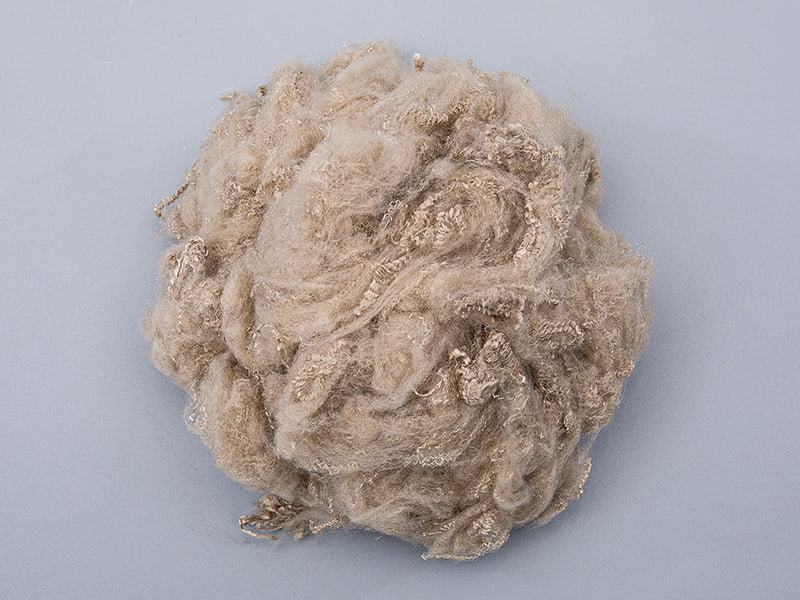
Bamboo charcoal fibers leverage the natural properties of activated bamboo charcoal—a highly porous material—to deliver multiple simultaneous benefits. Fine charcoal particles embedded within the fiber matrix create a functional composite.
Fine-denier fibers feature exceptionally thin linear mass density, creating inherently soft, drape-friendly fabrics with enhanced skin comfort. When combined with functional properties, they deliver premium sensory experience alongside performance.
Recycled functional polyester combines environmental responsibility with engineered performance. Produced from post-consumer waste (primarily recycled PET bottle flakes), these fibers match virgin fiber performance while reducing resource consumption and environmental impact.
Antimicrobial fibers incorporate agents such as silver nanoparticles, zinc pyrithione, or quaternary ammonium compounds that inhibit bacterial and fungal growth directly within the fiber structure.
These fibers contain ultraviolet-absorbing compounds that block harmful UVA and UVB radiation, essential for sun-protective apparel and outdoor textiles.
Anti-static fibers conduct electrical charge away from fabric and body, preventing static buildup. Moisture-wicking variants feature enhanced capillary properties that transport perspiration away from skin toward the fabric surface for rapid evaporation.
These fibers incorporate materials or structures that trap air or generate heat through phase-change mechanisms, providing thermal regulation and enhanced cold-weather performance.
Product Card Integration: For detailed specifications on each fiber type, visit our functional textile fibers product page to explore custom variants, view sample materials, and request engineering support for your specific project requirements.
The versatility of functional fibers extends across virtually every segment of textile and non-woven manufacturing. Understanding industry-specific requirements helps identify the optimal fiber solution for your application.
Performance apparel demands fibers that enhance athlete comfort, safety, and durability. Functional fibers deliver moisture-wicking to manage sweat, antimicrobial properties to prevent odor, UV protection for outdoor activities, and stretch recovery for dynamic movement.
Consumers increasingly expect home textiles to provide wellness benefits beyond basic comfort. Functional fibers enable manufacturers to offer products with health-promoting properties and enhanced durability.
Healthcare and hygiene applications impose strict performance and safety requirements. Functional fibers enable non-woven manufacturers to achieve superior protection, comfort, and efficacy.
Industrial environments demand textiles that protect workers from hazards while maintaining comfort during extended wear. Functional fibers address flame, chemical, static, and thermal risks simultaneously.
Vehicle interiors increasingly incorporate functional textiles that enhance aesthetics, durability, comfort, and safety. Functional fibers enable manufacturers to meet these multifaceted requirements.
The downstream processing requirements for functional fibers vary by equipment and technique. Manufacturers must select fibers optimized for their specific spinning methodology.
Environmental responsibility has transitioned from corporate marketing advantage to fundamental business requirement. Recycled functional fibers represent a critical intersection of performance engineering and resource conservation, enabling textile manufacturers to meet both technical and sustainability objectives simultaneously.
Several converging factors accelerate the market transition toward recycled functional materials:
A critical concern among manufacturers is whether recycled fibers maintain the performance characteristics of virgin materials. Current technological advances demonstrate that well-engineered recycled functional fibers achieve performance parity across key metrics:
| Performance Metric | Virgin Fiber | Recycled Fiber | Variance |
|---|---|---|---|
| Tensile Strength (cN/dtex) | 4.0-4.5 | 3.8-4.4 | -2 to -5% |
| Elongation at Break (%) | 30-35 | 28-34 | -2 to -4% |
| Dye Uptake Efficiency | 95-98% | 92-96% | -1 to -3% |
| Functional Property Retention | 100% baseline | 98-99% baseline | -0.5 to -1.5% |
These marginal differences typically fall within tolerance ranges acceptable for most textile applications and are often imperceptible to end consumers. Quality control protocols during recycling processes now enable manufacturers to produce recycled functional fibers that meet the same rigorous specifications as virgin alternatives.
Recycled functional fiber production begins with post-consumer waste collection and processing. The primary raw material source is reclaimed PET—polyethylene terephthalate—obtained from single-use beverage bottles, food containers, and discarded textiles.
This circular approach reduces virgin petroleum dependency by approximately 30-40% per kilogram of fiber produced, with corresponding reductions in energy consumption and greenhouse gas emissions throughout the supply chain.
Advanced recycled fiber technology now enables manufacturers to incorporate functional properties into recycled material streams, eliminating the former choice between performance and sustainability:
Sustainability Impact: Switching 1,000 metric tons of virgin polyester to recycled functional fiber eliminates approximately 800-1,200 metric tons of CO2 equivalent emissions and conserves 1,500+ barrels of crude oil, while maintaining identical performance specifications for end-use applications.
Selecting the optimal functional fiber solution requires systematic evaluation across multiple technical, commercial, and operational dimensions. This structured approach reduces production risks, ensures regulatory compliance, and optimizes cost-performance balance.
Begin with precise specification of the functional properties your application demands. Vague requirements lead to over-specification (unnecessary cost) or under-specification (performance failure).
With performance requirements established, determine the fiber specifications that will deliver those properties within your manufacturing constraints.
Functional fibers must integrate smoothly into your existing or planned production workflow. Incompatibility causes processing delays, quality defects, and unexpected cost escalation.
A qualified functional fiber supplier must demonstrate technical competence, quality consistency, regulatory compliance, and long-term reliability.
Beyond technical specifications, evaluate the business relationships and support services provided by potential suppliers.
Selecting a functional fiber supplier is a strategic decision that impacts product quality, manufacturing efficiency, supply reliability, and long-term competitive positioning. Suzhou Emon New Material brings specialized expertise, production scale, and customer-focused services that align with the complex requirements of modern textile manufacturing.
Emon operates large-scale polyester fiber production facilities with an annual capacity exceeding 100,000 metric tons. This scale enables:
Emon maintains dedicated R&D teams focused on advancing functional fiber technology and creating custom solutions for customer applications:
For recycled fiber production, consistent access to quality raw materials is critical. Emon has developed robust supply relationships and processing infrastructure:
Emon differentiates itself through customer-responsive services that extend beyond commodity fiber supply:
Emon maintains rigorous quality standards and comprehensive regulatory compliance across all markets:
Emon's production scale and operational efficiency translate to market-competitive pricing without sacrificing quality. The company also recognizes the diverse needs of customers at different growth stages:
Partnership Approach:
Emon views each customer relationship as a long-term partnership aimed at mutual growth. This philosophy drives investment in understanding customer needs, delivering reliable supply, and supporting continuous improvement through technical collaboration.
Functional fibers are engineered textile materials that possess inherent performance properties—such as antimicrobial action, flame resistance, moisture management, UV protection, or thermal regulation—built directly into the fiber structure. Unlike standard polyester or acrylic fibers that serve primarily as structural elements, functional fibers actively contribute to end-use benefits. These properties are incorporated during manufacturing through chemical treatment, physical modification, or additive incorporation, and they persist throughout the fiber's lifecycle rather than diminishing with washing or use.
Yes, modern recycled functional fibers achieve performance parity with virgin counterparts when produced through advanced recycling technology. Tensile strength, elongation, and dyeability may vary by 2-5% from virgin fiber, but these marginal differences typically fall within acceptable tolerance ranges for most applications. The functional properties themselves—antimicrobial action, flame resistance, moisture management—are maintained at 98-99% of the baseline specification. Quality control protocols during the recycling process now enable manufacturers to produce recycled functional fibers meeting identical specifications as virgin alternatives, while delivering significant environmental benefits.
Absolutely. Established functional fiber manufacturers maintain R&D capabilities and flexible production systems specifically designed for customer customization. Common customization options include denier modification (fiber fineness), color development, cut length adjustment, functional property variation (different antimicrobial agents or flame-retardant formulations), and blending of multiple properties. Reputable suppliers provide pilot batch production and free samples enabling risk-free trials before full-scale commitment. This customization capability is a key differentiator between commodity fiber suppliers and specialized functional fiber manufacturers.
Minimum Order Quantity (MOQ) varies by supplier and product type but typically ranges from 500 kilograms to 5 metric tons for standard products. Many manufacturers offer lower MOQ for trial orders or custom developments. Larger purchases—from 10 metric tons onward—often qualify for volume discounts and enhanced commercial terms. It is advisable to discuss MOQ early in supplier evaluation conversations, as some manufacturers can accommodate smaller initial orders for qualified customers planning larger future volumes. This flexibility allows manufacturers to validate product performance before committing to large-scale purchases.
Contact the supplier directly through their website inquiry form, email, or phone line. Provide the following information to facilitate rapid response: (1) specific functional properties required (antimicrobial, flame-retardant, moisture-wicking, etc.), (2) denier and cut length specifications, (3) anticipated monthly or annual volume requirements, (4) color preferences, and (5) downstream processing equipment or end-use application details. Most manufacturers provide samples at no charge with full specification documentation and test reports. Price quotations typically include volume-tiered pricing, payment terms options, and delivery schedules. Sample lead time is typically 1-2 weeks; quotation response time ranges from 1-3 business days.
Request verification of the following key certifications: ISO 9001:2015 (Quality Management System), ISO 14001:2015 (Environmental Management System), OEKO-TEX Standard 100 (chemical safety), REACH compliance (European regulations), and industry-specific certifications such as ISO 20645 for antimicrobial fibers or ASTM D6413 for flame-retardant materials. For certain applications, customers require specific country or regional certifications (CPSC for children's sleepwear, Oeko-Tex for sensitive applications, etc.). Request to review current certification documents and third-party test reports validating functional property claims. A reputable manufacturer maintains comprehensive documentation and provides transparent access to all relevant certifications.
For standard products in inventory, typical lead time is 2-4 weeks after order confirmation, depending on volume and shipping destination. Custom color or specification orders generally require 4-8 weeks to accommodate production scheduling and quality testing. Expedited orders may be accommodated at premium cost in certain circumstances. Shipping lead time varies by destination but typically adds 1-3 weeks depending on geographic location (domestic, regional, or international). Establishing a clear lead time understanding upfront prevents supply chain disruptions. Most suppliers offer inventory visibility tools or sales team communication enabling customers to forecast availability and plan production schedules accordingly.
Yes, functional fibers can be blended with other fiber types—cotton, viscose, acrylic, or other polyester variants—in specified proportions. Common blending ratios range from 20% to 80% functional fiber content depending on the desired properties and end-use performance targets. Important considerations include: (1) verifying spinning compatibility of mixed fiber types on your equipment, (2) confirming that blending ratios do not compromise functional property efficacy, (3) testing dyeability across the blend to ensure even color uptake, (4) understanding regulatory implications if functional properties are marketed or required to meet standards, and (5) establishing clear quality specifications for the blended yarn output. Pilot trials are strongly recommended before committing to commercial blending production.
Emon Technology is willing to sincerely join hands with you, cooperate for win-win results, and create brilliance together!
Tel: +86-512-63679088
Email: [email protected]
[email protected]
[email protected]
[email protected]
[email protected]
Add:South of 318 National Highway, Miaotou Village, Meiyan, Wujiang, Jiangsu
Copyright © Suzhou Emon New Material Technology Co., Ltd. All rights reserved.



 English
 中文简体
中文简体 Español