

 English
 中文简体
中文简体 Español
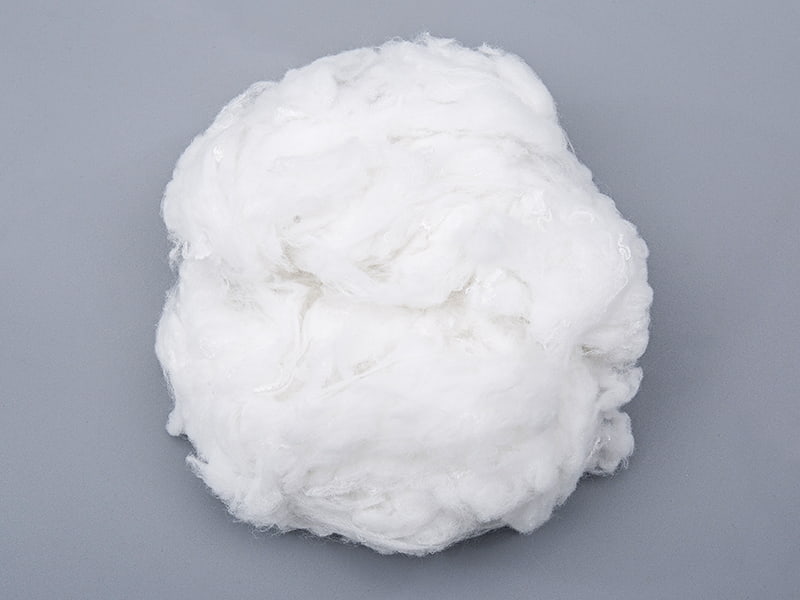
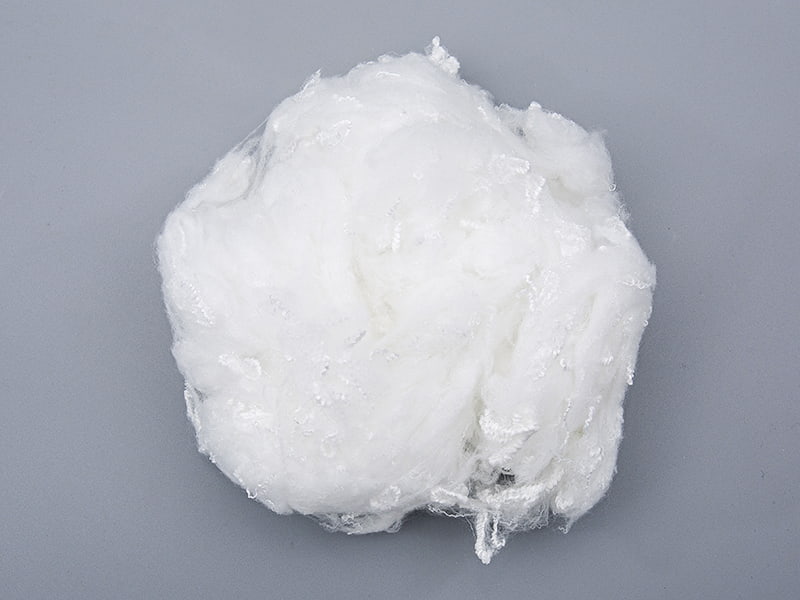
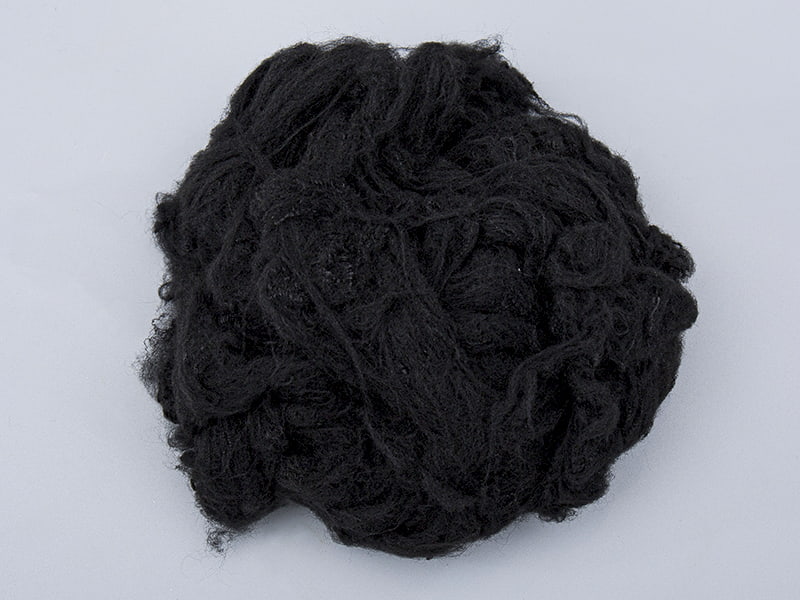
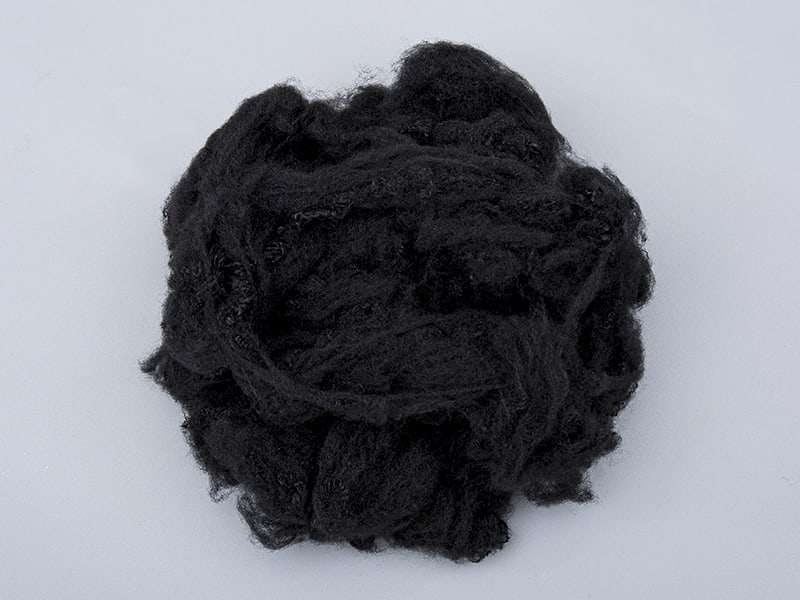
1.5DEM-R44 White Bamboo Charcoal Fiber
LEARN MORE
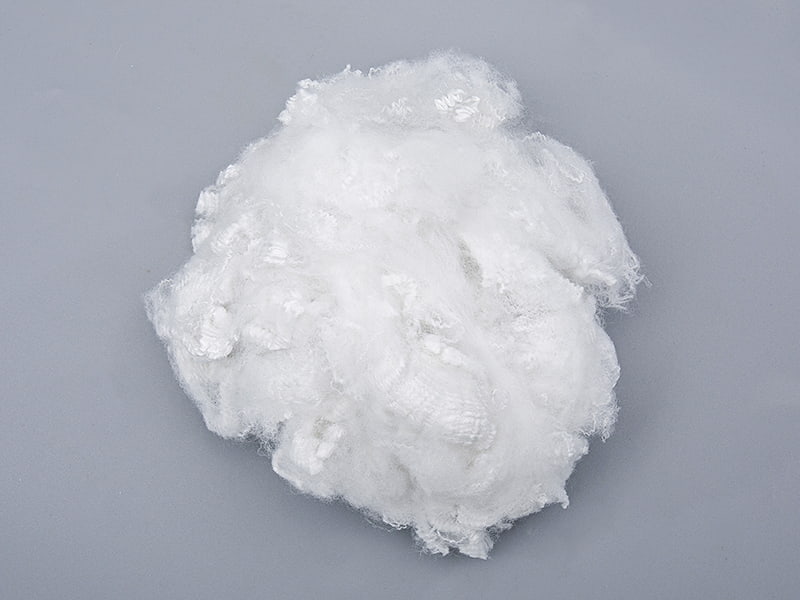
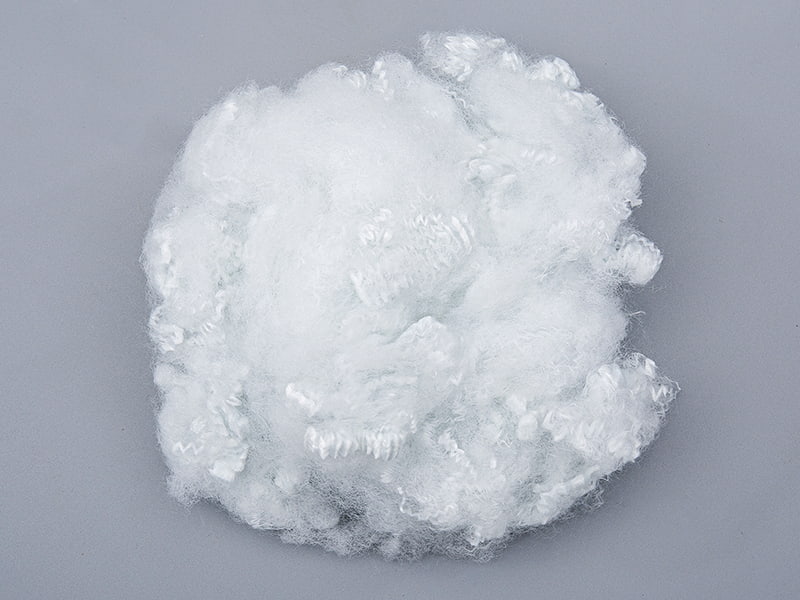
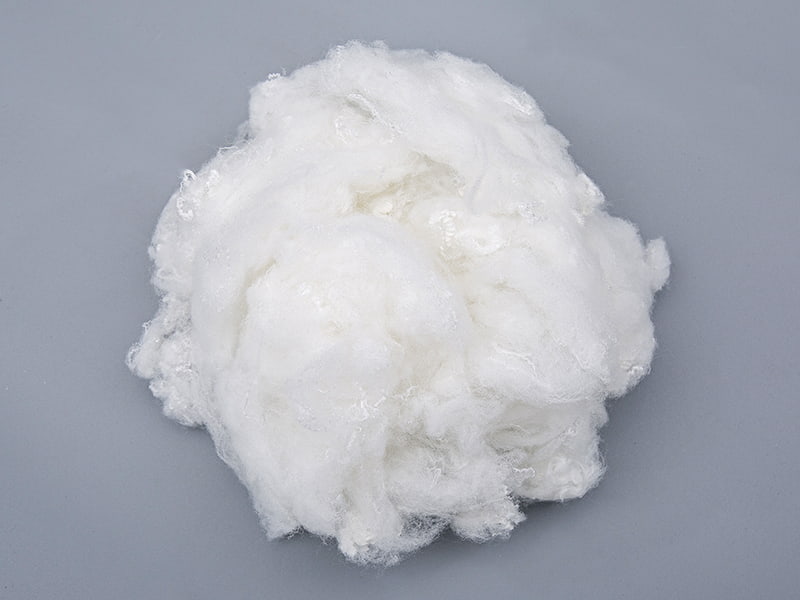
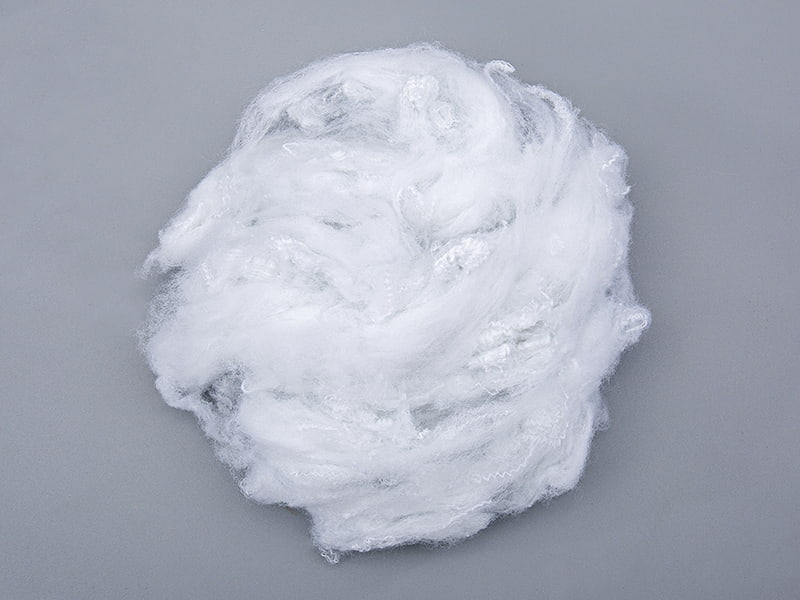
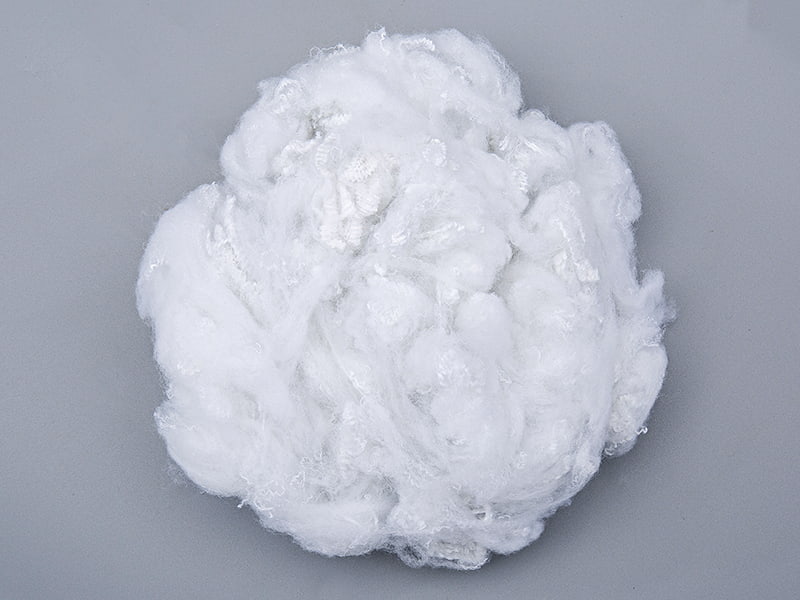
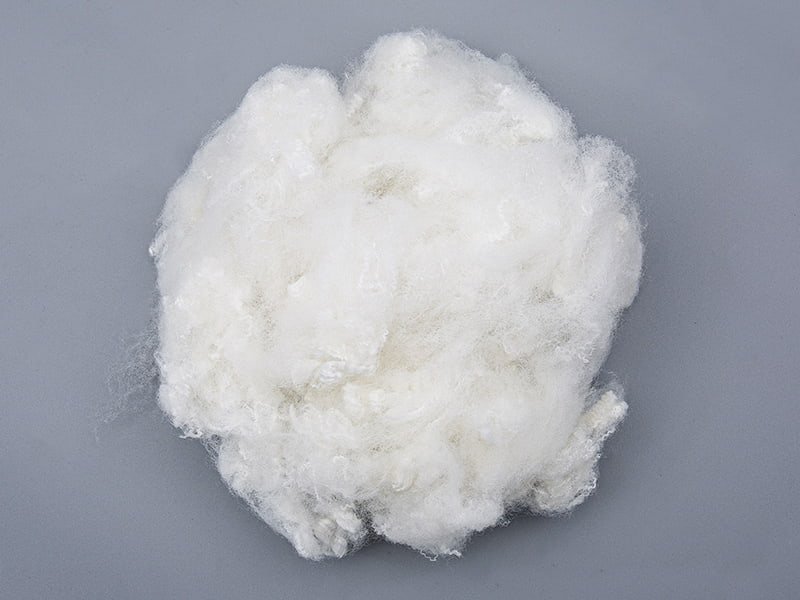
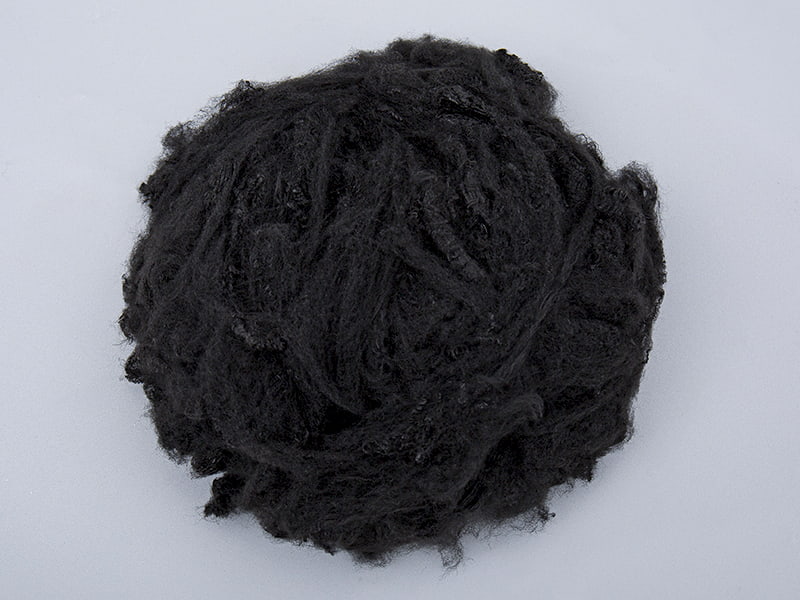
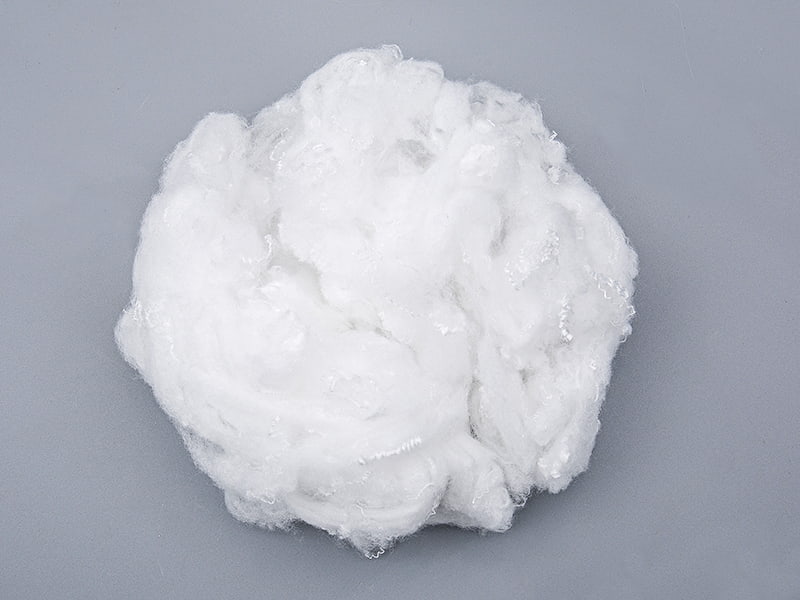

As sustainability becomes a central focus across the textile industry, manufacturers are increasingly turning to recycled fibers as a reliable alternative to conventional raw materials. Once viewed primarily as an environmental solution, recycled fibers are now recognized for their practical performance advantages in a wide range of textile applications. From apparel and home furnishings to industrial fabrics and nonwoven products, these materials are helping manufacturers balance functionality, resource efficiency, and product quality.
As an important category of textile raw material, recycled fibers are designed to meet modern production requirements while reducing dependence on virgin resources. Advances in recycling technology have significantly improved fiber consistency, strength, dyeability, and processability, making recycled fibers a valuable component in contemporary textile manufacturing.
Recycled fibers are textile fibers produced from recovered materials, including post-consumer products and post-industrial waste streams. Among them, recycled polyester fibers have become one of the widely used options due to their versatility and compatibility with existing textile manufacturing systems.
The growing adoption of recycled fibers is driven not only by environmental considerations but also by their ability to deliver dependable performance in spinning, filling, weaving, knitting, and nonwoven applications.
Modern recycling technologies allow manufacturers to produce fibers that closely resemble conventional polyester in both appearance and functionality. As a result, recycled fibers have become an increasingly important part of the global textile supply chain.
One of the important functional advantages of recycled fibers is their adaptability to various spinning processes.
High-quality recycled polyester fibers can be processed through:
Consistent fiber length, fineness, and strength enable stable processing performance, reducing interruptions during yarn manufacturing. This compatibility allows textile producers to integrate recycled fibers into existing production lines without significant equipment modifications.
For spinning mills, reliable spinnability translates into improved production efficiency and consistent yarn quality.
Modern recycled fibers can provide balanced mechanical properties suitable for a broad range of textile products.
Common performance characteristics include:
| Functional Property | Benefit in Textile Applications |
|---|---|
| Tensile Strength | Supports fabric durability and wear resistance |
| Fiber Elasticity | Enhances flexibility and comfort |
| Dimensional Stability | Helps fabrics maintain shape after use |
| Abrasion Resistance | Improves product lifespan |
| Uniform Fiber Structure | Supports consistent manufacturing quality |
These properties make recycled fibers suitable for apparel fabrics, home textiles, industrial textiles, and nonwoven materials.
Color performance remains a critical factor in textile manufacturing. Modern recycled polyester fibers have achieved significant improvements in dye uptake and color uniformity.
Advanced processing technologies allow recycled fibers to:
As a result, manufacturers can achieve visual and aesthetic results comparable to those obtained with conventional polyester fibers.
This capability expands the use of recycled fibers in fashion textiles, decorative fabrics, and premium textile applications where appearance is essential.
A major advantage of recycled fibers is their broad application range.
Different fiber structures can be tailored for specific end uses, including:
| Fiber Type | Typical Applications |
|---|---|
| Solid Recycled Polyester Fiber | Yarn spinning and woven fabrics |
| Hollow Recycled Polyester Fiber | Filling materials |
| Three-Dimensional Hollow Fiber | Pillows, quilts, cushions |
| Two-Dimensional Hollow Fiber | Insulation and padding products |
| Recycled Nonwoven Fiber | Industrial fabrics and filtration materials |
This versatility enables manufacturers to optimize material selection based on product requirements while maintaining sustainability objectives.
Resource efficiency has become a major consideration for textile manufacturers worldwide.
By utilizing recycled fibers as a textile raw material, companies can:
These advantages contribute to more resilient and responsible manufacturing systems while helping companies respond to evolving market expectations.
Nonwoven fabrics represent one of the fastest-growing sectors utilizing recycled fibers.
The material characteristics of recycled polyester fibers make them suitable for various nonwoven production technologies, including:
The combination of strength, processability, and cost efficiency supports widespread adoption in industrial applications where durability and performance are essential.
As demand for technical textiles continues to grow, recycled fibers are expected to play an increasingly important role in nonwoven innovation.
Sustainability is no longer limited to environmental compliance; it has become a strategic factor influencing purchasing decisions, supply chain management, and product development.
Recycled fibers support sustainable textile manufacturing by helping transform discarded materials into valuable production resources. This approach aligns with the broader industry movement toward circular economy principles, where materials remain in productive use for longer periods.
Manufacturers adopting recycled polyester fiber solutions can improve resource efficiency while maintaining performance standards expected by modern consumers and industrial buyers.
The development of high-performance recycled fibers depends heavily on technological expertise and reliable resource management.
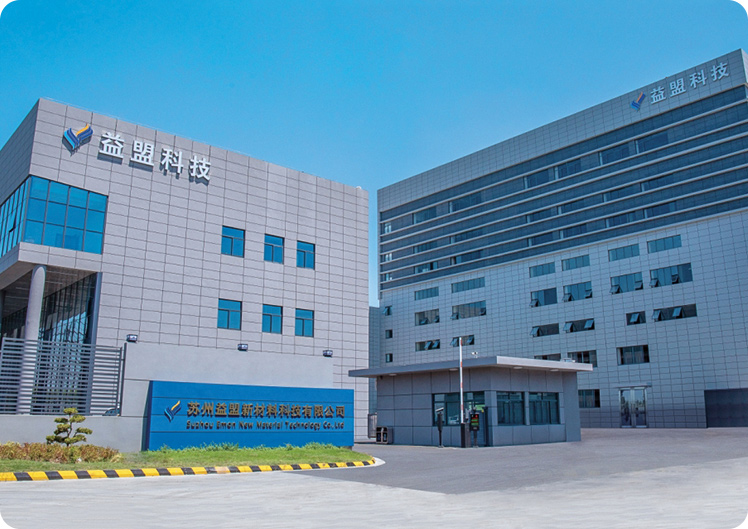
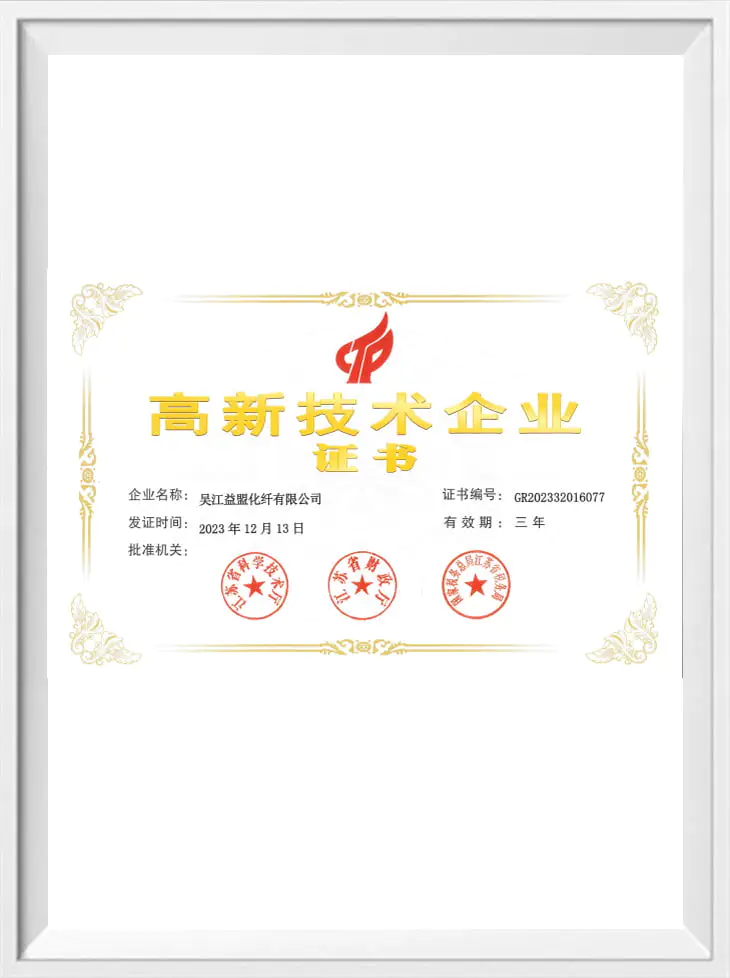
Suzhou Emon New Material Technology Co., Ltd. is a modern large-scale chemical fiber manufacturing enterprise recognized for its advanced technology and strong production capabilities. The company specializes in producing a variety of recycled polyester fiber products that are widely used in spinning applications such as vortex spinning, ring spinning, and air spinning, as well as filling materials and diverse nonwoven fabric applications.
By leveraging local textile factories, chemical fiber production resources, and recycled bottle recovery systems, the company maintains a stable supply of renewable raw materials. Through continuous technological improvement, its recycled polyester fibers achieve spinnability and dyeability, delivering performance comparable to conventional polyester products while supporting sustainable textile development.
This combination of resource integration, manufacturing expertise, and product consistency demonstrates how recycled fibers can meet both environmental and functional requirements in today’s textile industry.
| Aspect | Recycled Fibers | Conventional Polyester |
|---|---|---|
| Spinnability | Excellent | Excellent |
| Dyeability | High | High |
| Durability | Strong | Strong |
| Resource Consumption | Lower | Higher |
| Circular Economy Contribution | Significant | Limited |
| Sustainability Value | High | Moderate |
| Application Diversity | Extensive | Extensive |
Modern production technologies have significantly narrowed the performance gap between recycled and virgin polyester fibers, allowing recycled materials to serve as practical alternatives in many textile applications.
The growing use of recycled fibers reflects a significant shift in how the textile industry approaches both performance and sustainability. Far from being merely an environmentally friendly option, recycled fibers offer tangible functional benefits, including spinnability, reliable mechanical properties, strong dyeability, broad application versatility, and improved resource efficiency.
As innovations in fiber processing continue to advance, recycled polyester fibers are becoming an increasingly valuable textile raw material for manufacturers seeking to balance quality, efficiency, and sustainability. Their ability to perform across spinning, filling, and nonwoven applications positions recycled fibers as an essential component of modern textile production and future industry development.
1. What are recycled fibers made from?
Recycled fibers are typically produced from recovered materials such as recycled plastic bottles, post-consumer textile waste, and post-industrial manufacturing waste.
2. Are recycled fibers suitable for yarn spinning?
Yes. High-quality recycled polyester fibers can be used in vortex spinning, ring spinning, air spinning, and various blended yarn production processes.
3. Do recycled fibers have the same dyeability as virgin polyester?
Modern recycled fibers can achieve dye uptake and color consistency, providing dyeing performance comparable to conventional polyester fibers.
4. What industries commonly use recycled fibers?
Recycled fibers are widely used in apparel, home textiles, filling materials, industrial fabrics, automotive textiles, and nonwoven fabric manufacturing.
5. Why are recycled fibers becoming an important textile raw material?
They help reduce dependence on virgin resources while providing reliable performance, manufacturing efficiency, and support for sustainable textile production goals.
Emon Technology is willing to sincerely join hands with you, cooperate for win-win results, and create brilliance together!
Tel: +86-512-63679088
Email: [email protected]
[email protected]
[email protected]
[email protected]
[email protected]
Add:South of 318 National Highway, Miaotou Village, Meiyan, Wujiang, Jiangsu
Copyright © Suzhou Emon New Material Technology Co., Ltd. All rights reserved.
